Today I’d like to talk about one of the most unusual and unique trading card related collectibles: the printing plates used to generate the images on the cards.


Printing plates are thin metal sheets used in the printing process of the card they represent. Generally there are four plates for a card corresponding to four basic component colors: black, cyan, magenta and yellow. When distributed plates usually have a sticker affixed to the back with publisher, set, card, and copyright information.

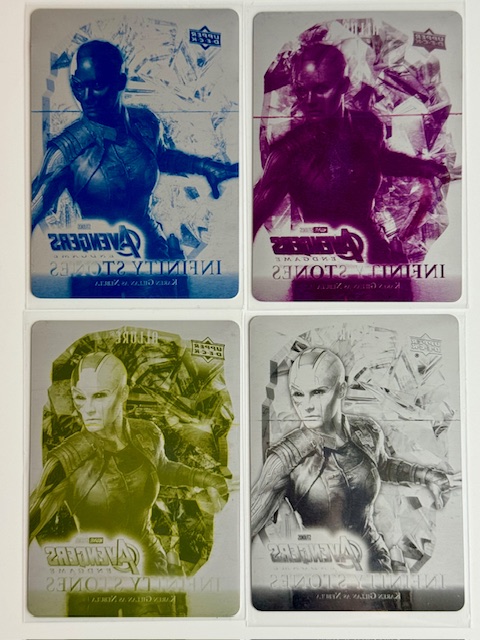
Different colored variants of a card won’t have different plates (changing ink saturation levels produces these versions) but variants with different background patterns, text or logos, etc will. Whether these other versions, or any plates at all, are distributed depends on the manufacturer, set, and distribution method.
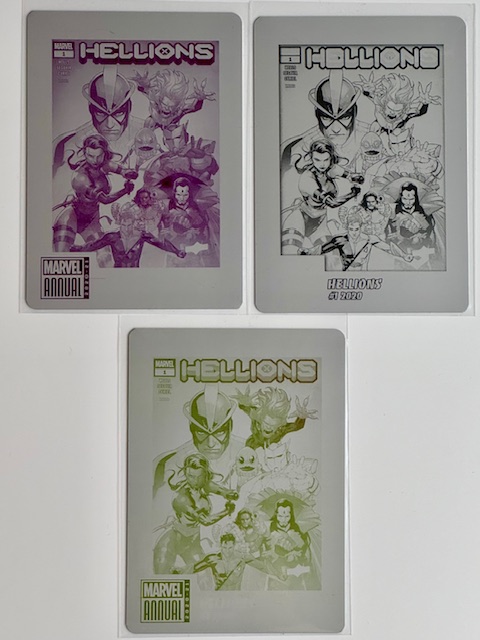


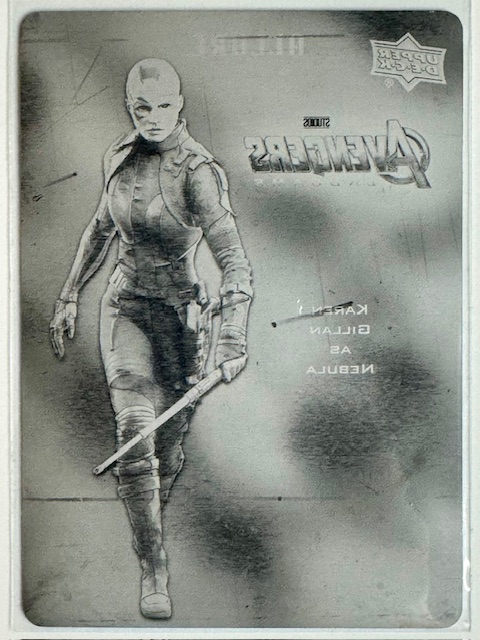
Printing plates are extremely unique as a collectible. While many of them are still in great shape, given their nature they are also often imperfect as they may contain smudges, printing lines, blurred images, scratches, or other after effects of the printing process. How much these imperfections affect someone’s desire to collect a particular plate generally depends on the extent and of course personal preferences.



Also certain ink colors may have been practically unused in creating an image and that corresponding plate could be largely blank or an otherwise incomplete image. While rare, this phenomenon is a risk and particularly pops up comic and other art based cards (as opposed to photo based cards, where underlying colors are generally present across the image).


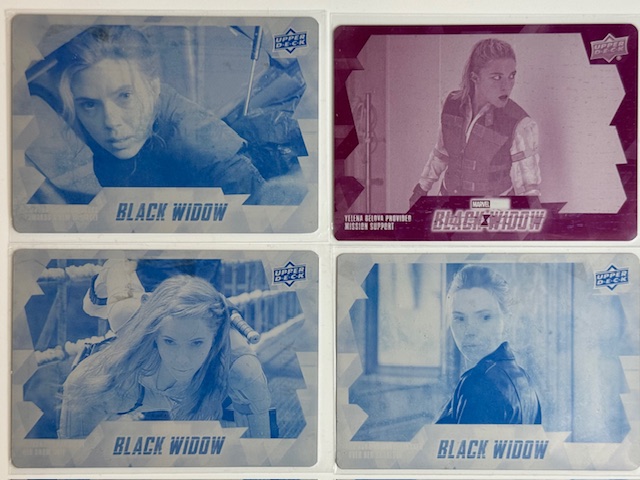
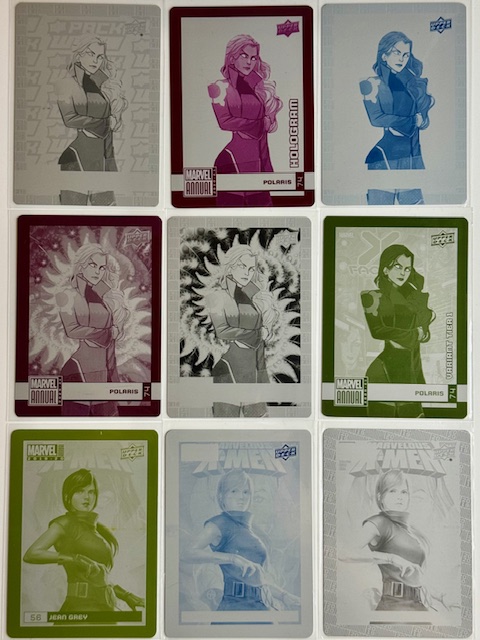
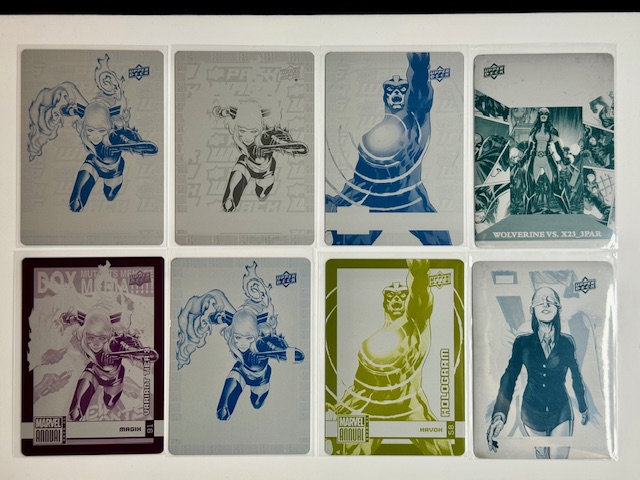
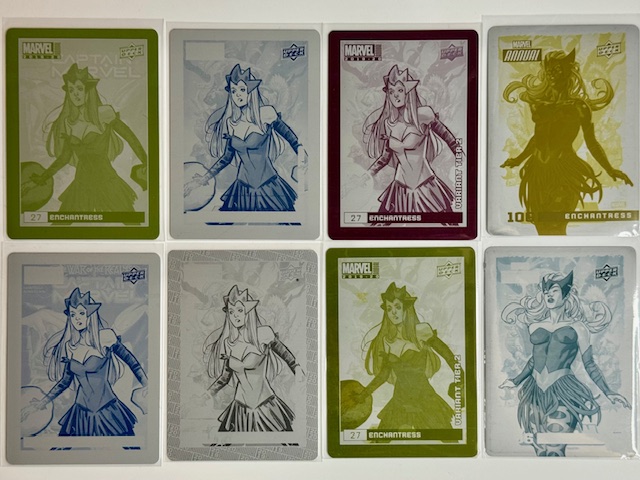
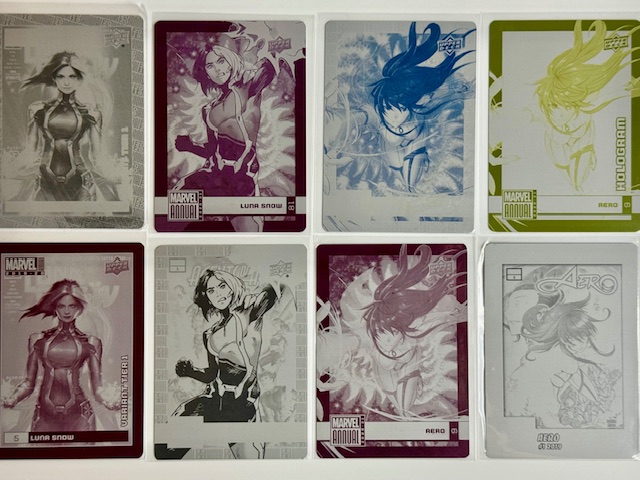


In certain circumstances printing plates may also be distributed with autographs. Actors or athletes depicted, or creators or voice actors of shown characters, sometimes have their autographs on the front of the plates. Usually it’s done via affixing a signed sticker, but direct signatures aren’t unheard of. This is an added layer of collectability and reward for the person who draws the plate.
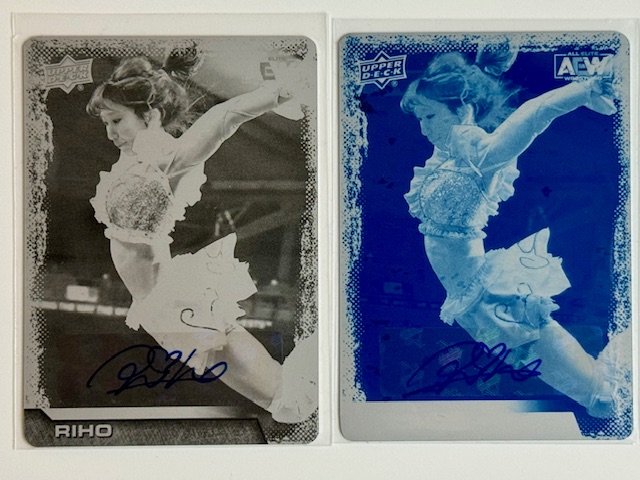


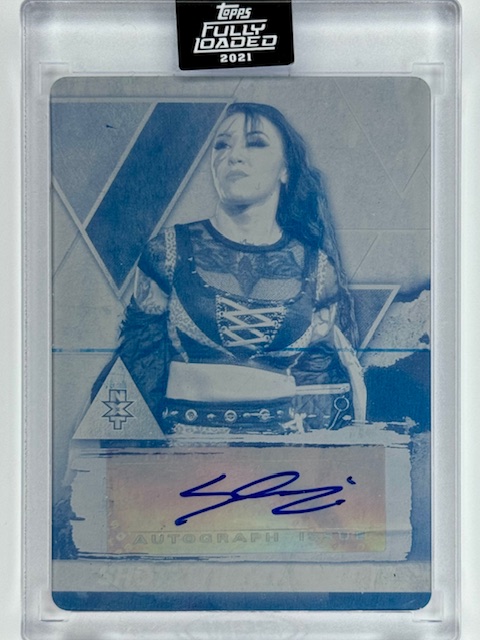

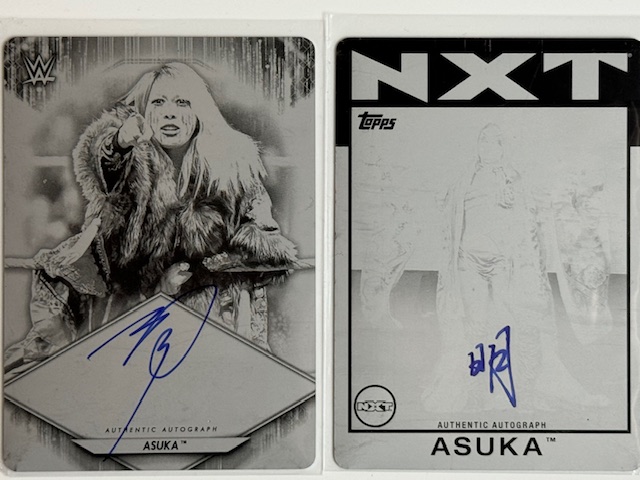
In addition to printing plates being randomly inserted into packs of their card sets, they are also commonly used as special distribution prizes. Upper Deck often has certain plates set aside to be used as rewards for completing collection goals in their online buying and trading platform ePack.
Sometimes plates used for these purposes are grouped together as sets, occasionally even being collected in connecting booklets. This can be convenient for completionists, as trying to collect all four color plates for a particular card when the plates are separately randomly inserted is a daunting task.


My personal affinity for collecting plates evolved from getting several wonderful booklet collections from the Metal Universe X-men set, as well as drawing some for my favorite characters from Marvel Annual sets and my favorite wrestlers from WWE and AEW sets.
From there I started more proactively chasing/trading for/buying plates and they’ve become a cornerstone of my collections all around. I adore the way the underlying color images look, and there’s just something cool about having a piece of the process.

The lion’s share of my plates are Marvel related from Upper Deck (UD), featuring a dazzling array of comic book characters and MCU actors.
However I also heavily collect joshi wrestling cards, and plates of certain wrestlers from UD’s AEW sets as well as Topps WWE sets form an additional, smaller centerpiece of my collection.
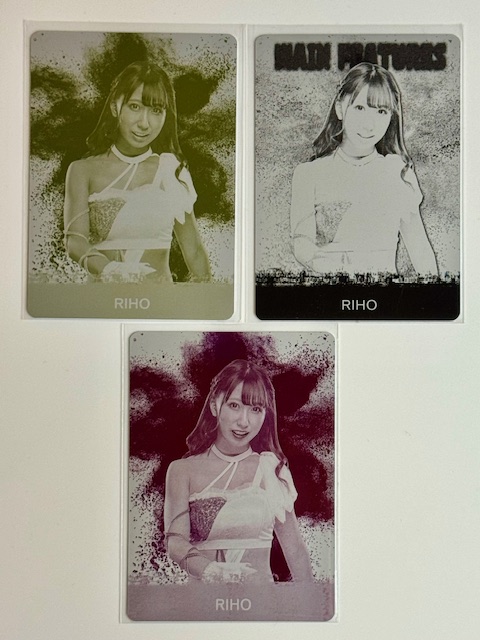
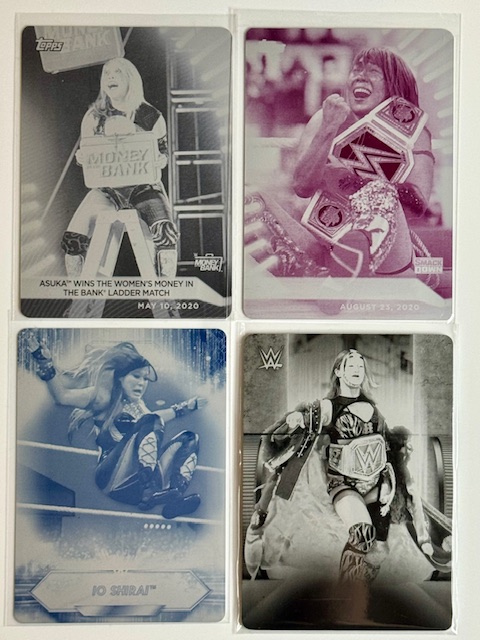


Chasing plate “rainbows” (a complete color collection of plates for a given card) is a case by case basis for me. For certain images, characters, and wrestlers I collect everything of theirs I can find. In other cases a particular color plate for a particular card jumps out at me and I’m happy just to have that.
Occasionally a plate I’d otherwise want to keep just doesn’t look great to me in that color and/or with its particular imperfections. And of course as with any card related collectible rarity, availability, popularity with other collectors, and luck all greatly influence what actually ends up in the collection.
These little pieces of metal have become some of my favorite collectibles. I love monochrome art in the first place, and the fact that these are essentially art and photos broken down into that format appeals to me greatly. I’m sure I’ll be expanding their numbers for a long time to come.
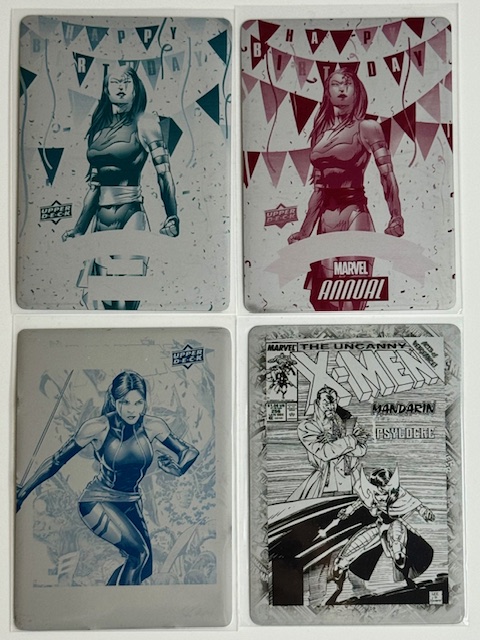


I hope everyone’s enjoyed the look at my collection of these unusual inserts. Best of luck with wherever your personal collecting tendencies take you.


 Derailments of Thought