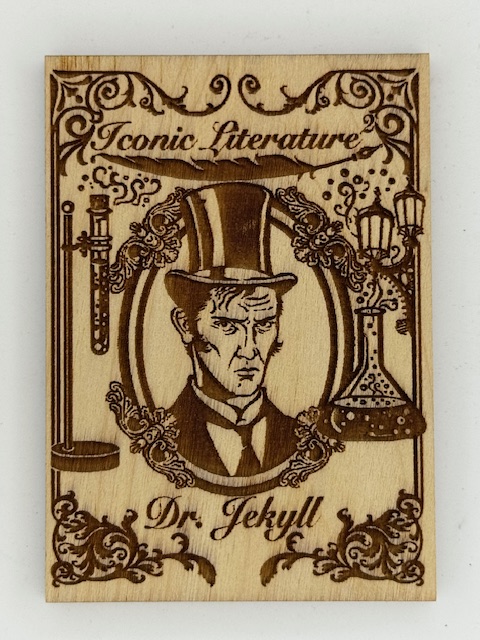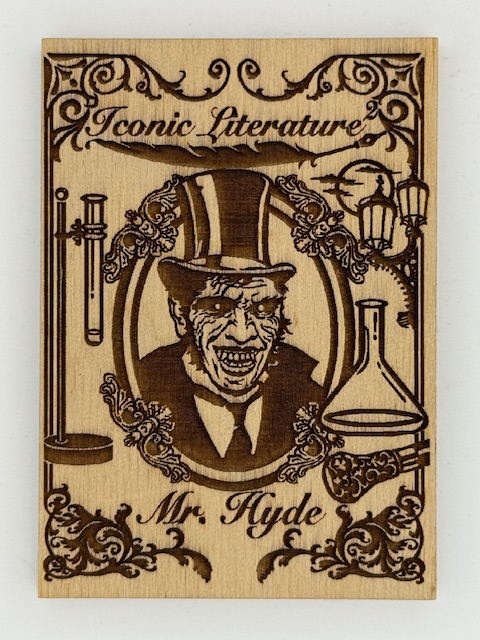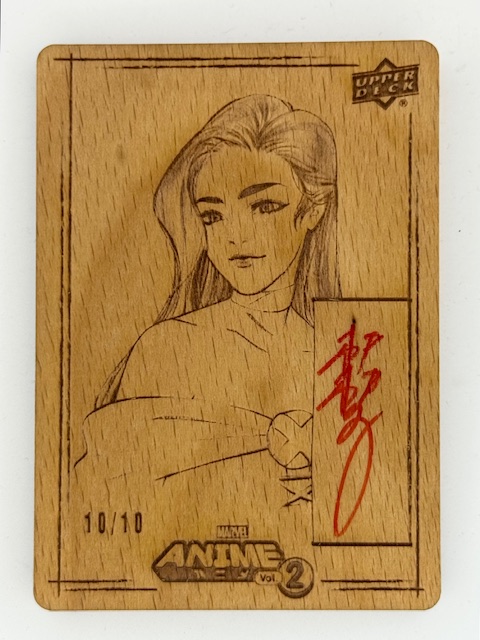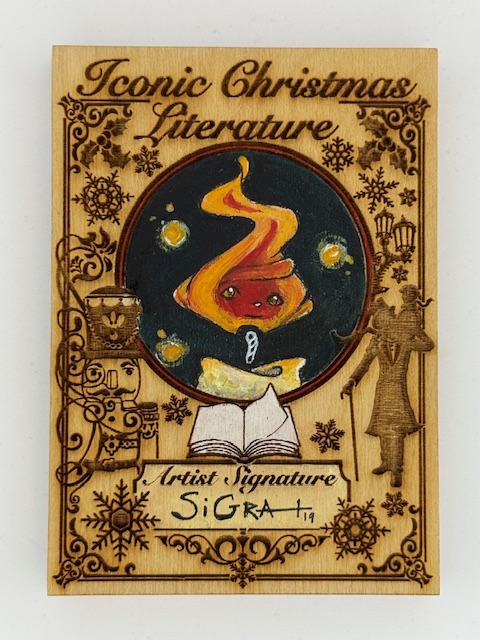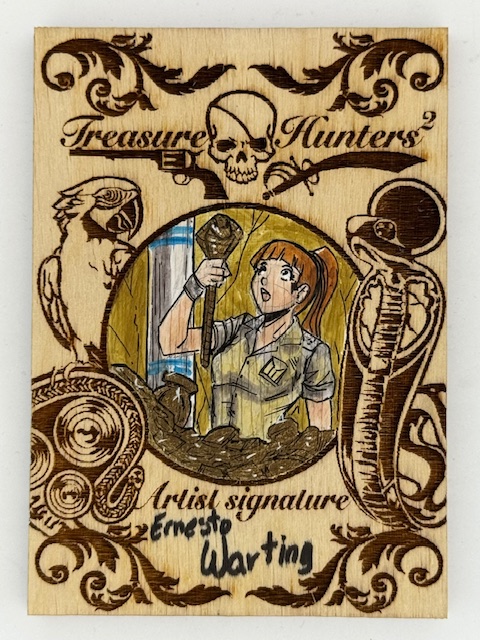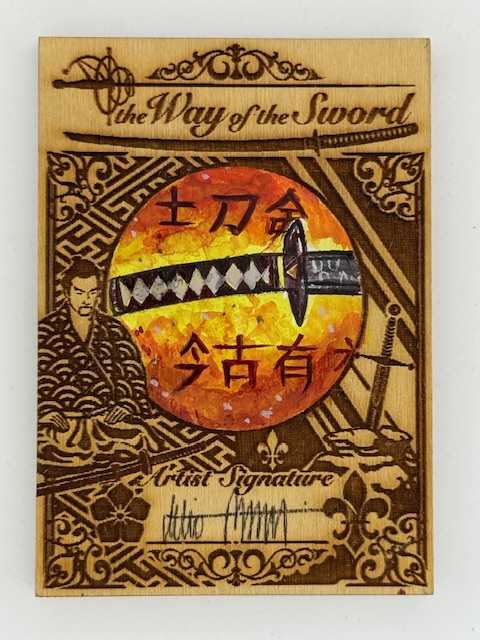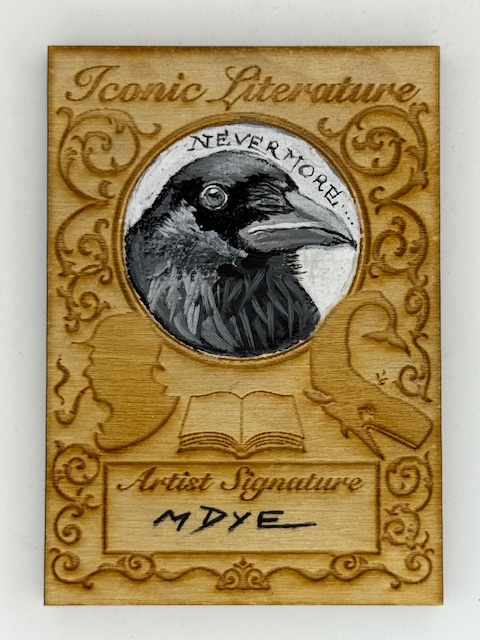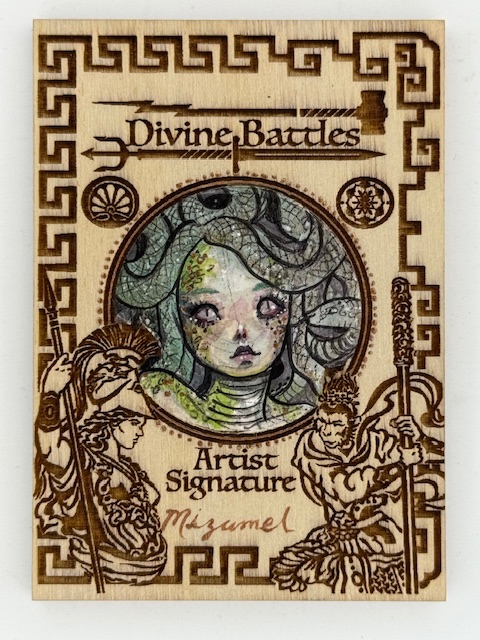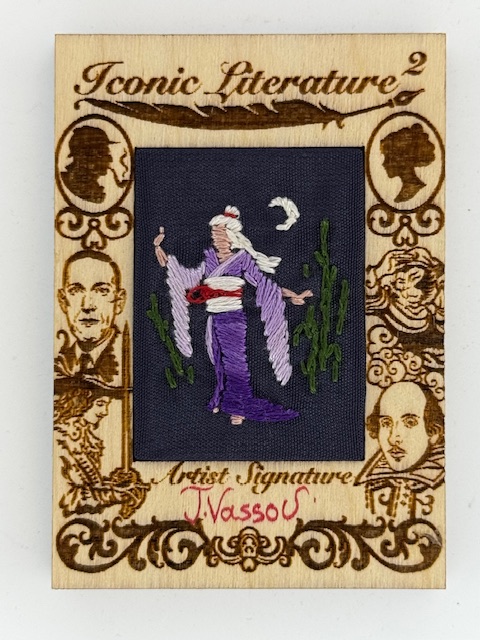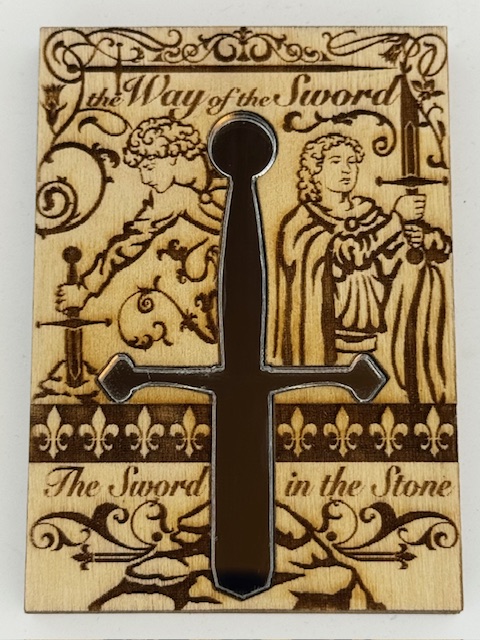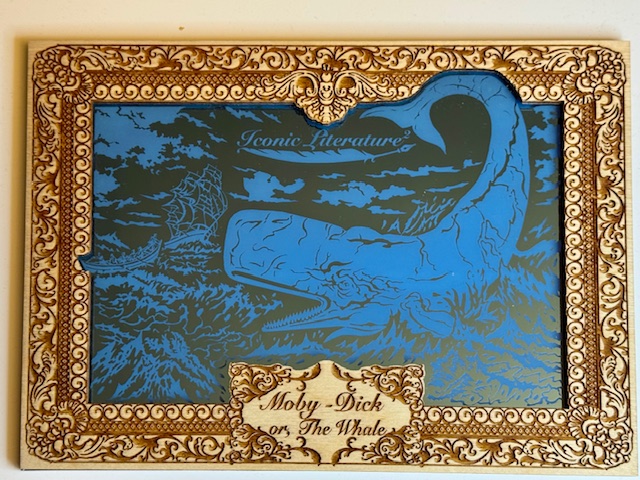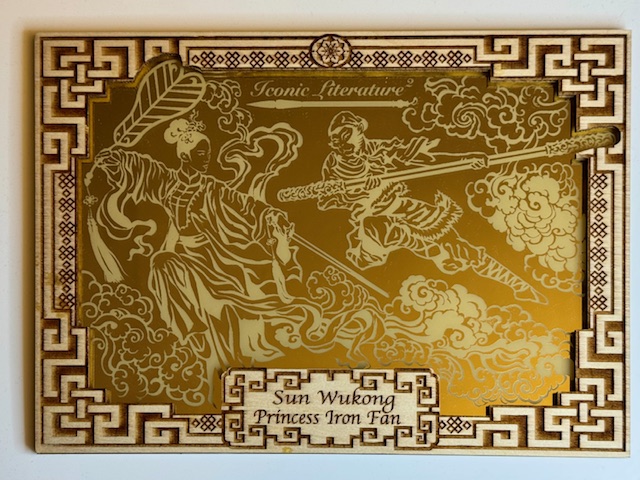
Unlike more unusual fare I’ve previously featured like metal cards and comic cuts, minis are one of the most straightforward subsets of trading cards. They’re simply cards that are smaller than the standard 2.5 x 3.5 inch (6.4 x 8.9 cm) size.
For clarity, this spotlight is about small cards with a traditional rectangular shape (although the ratio of the sides can vary). Die Cut cards that can end up smaller due to odd shapes and/or pieces of a standard card being cut away are a different matter that will likely get their own entry in the future.
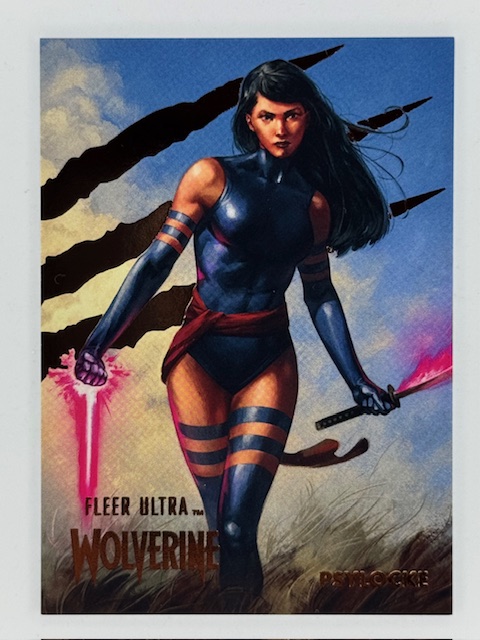
Sometimes a mini subset will literally be a smaller version of another card in the set (often a base card). Just an unusual variant for collectors to chase. The numbered minis from Fleer Ultra Wolverine, for example, were 2″ x 2.75″ versions of certain base cards.
Other mini subsets are unique, with art not otherwise used in the set.
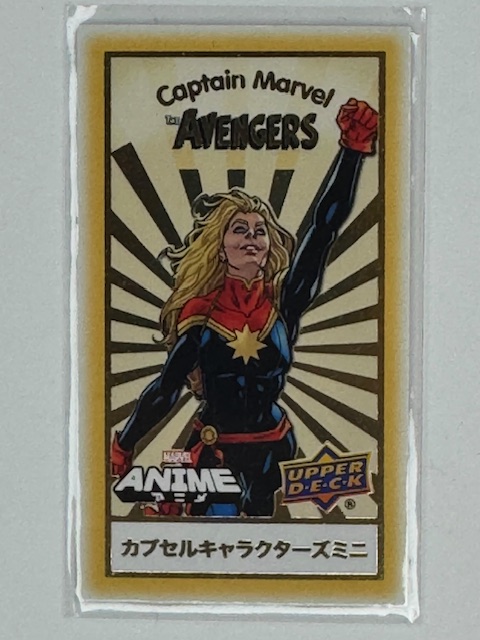
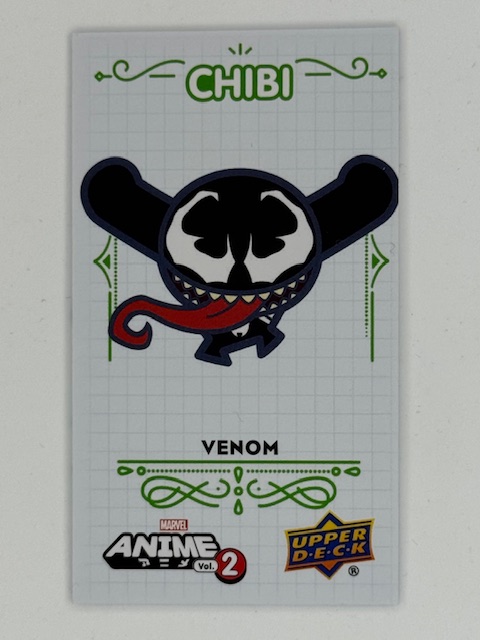
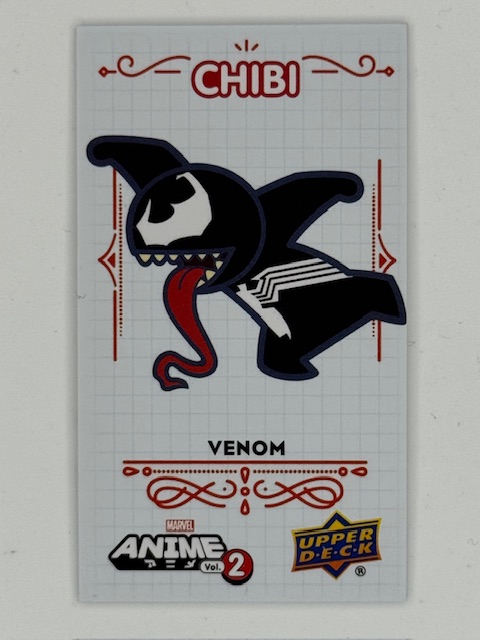
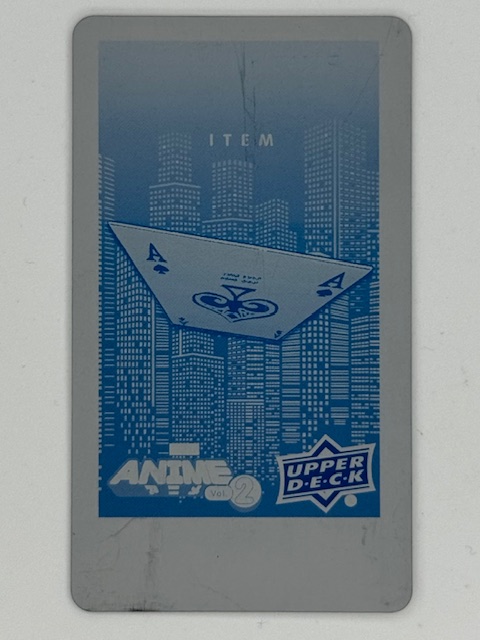
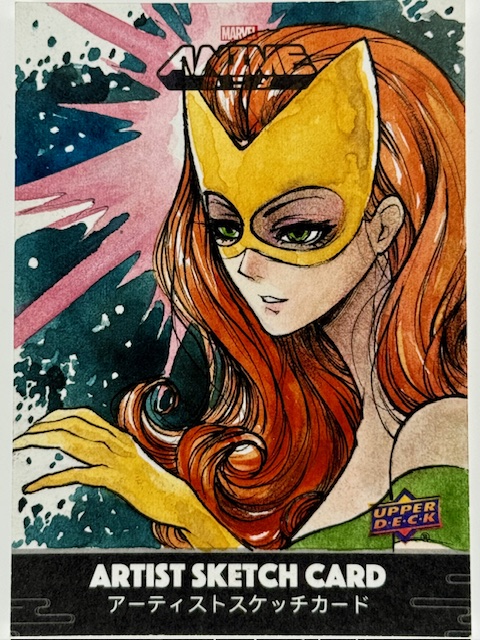
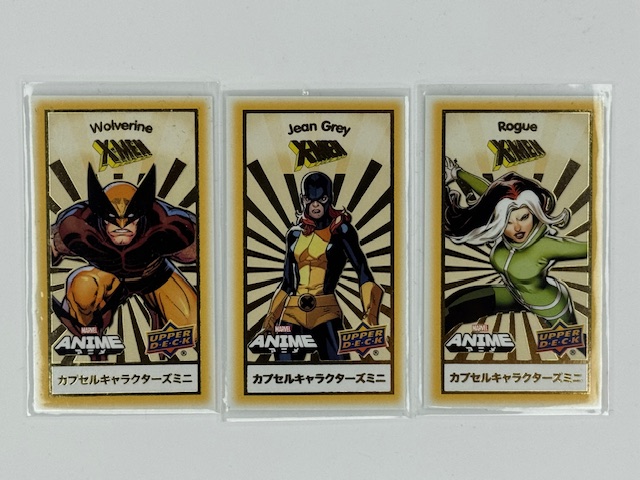
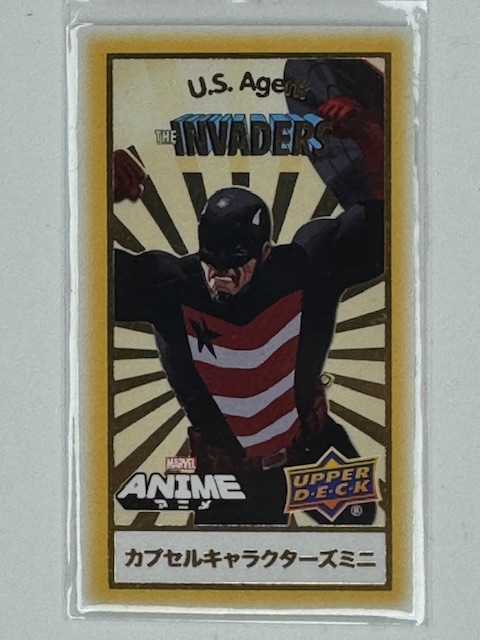
In Upper Deck’s Marvel Anime sets there were both “minis” and “chibis” subsets of tiny 1.5″ x 2.625″ cards. Minis focused on certain teams of heroes or storyline events and were grouped by theme.
Chibi translates literally as small, but is used colloquially as slang affectionately describing small and/or cute things. As an art style it’s also called super deformed and is characterized by large heads, small bodies, and exaggerated features within simplified designs. The chibis subsets featured chibi versions of popular Marvel characters.
These types of minis/chibis (and similar variations in other sets) were usually released in a card within a card format. A standard sized card with a perforated section on the back is what’s actually inserted into packs. The perforated section tears away to reveal the randomized mini within. These minis are often categorized and randomized within a themed capsule card, such as by team, comic storyline, etc.
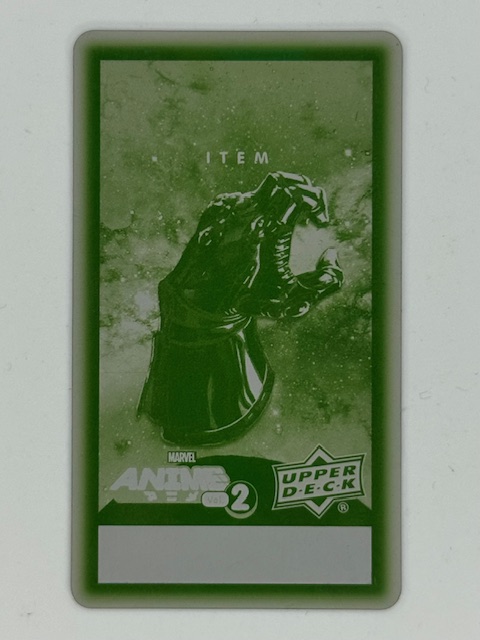
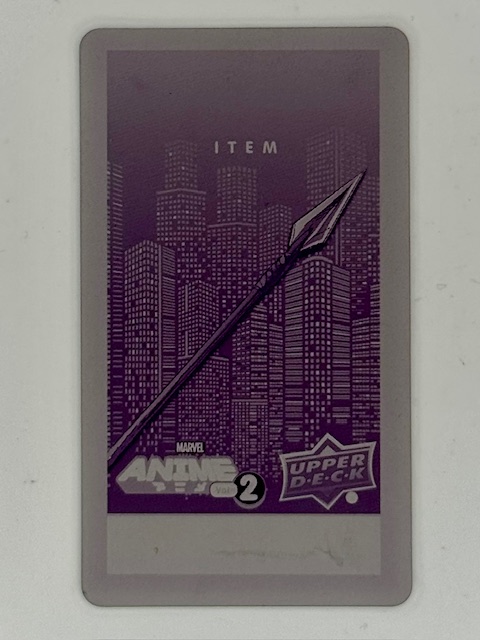
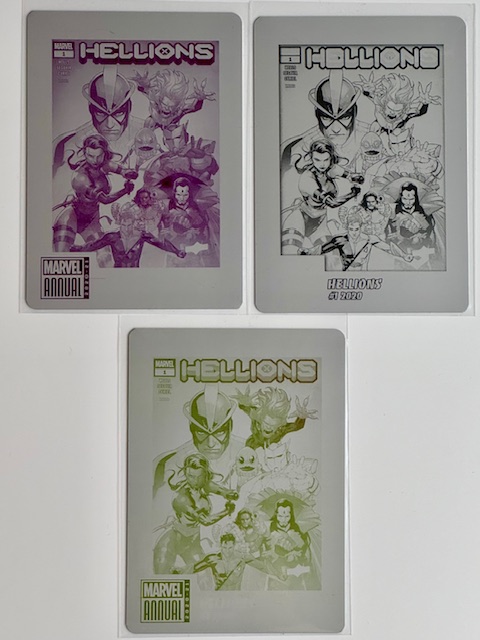
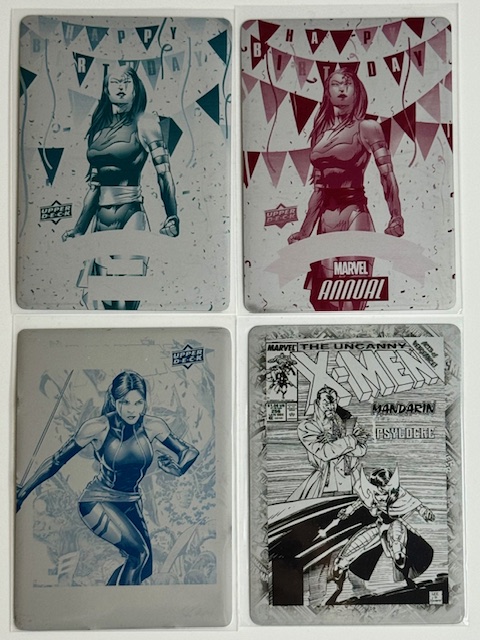
As I’ve written about before, printing plates are thin metal sheets used in the printing process of the card they correspond to. Printing plates for the minis subsets of Upper Deck’s Marvel Anime 2 were available as ePack achievements (prizes for completing certain trading/collecting goals within Upper Deck’s online platform). They’re really unique and interesting pieces of the set.
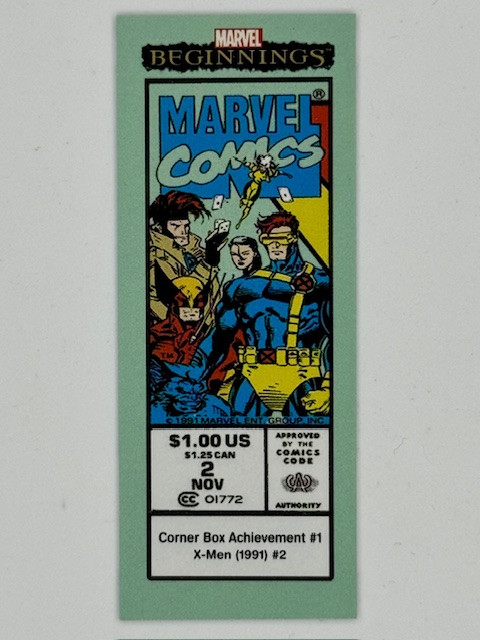
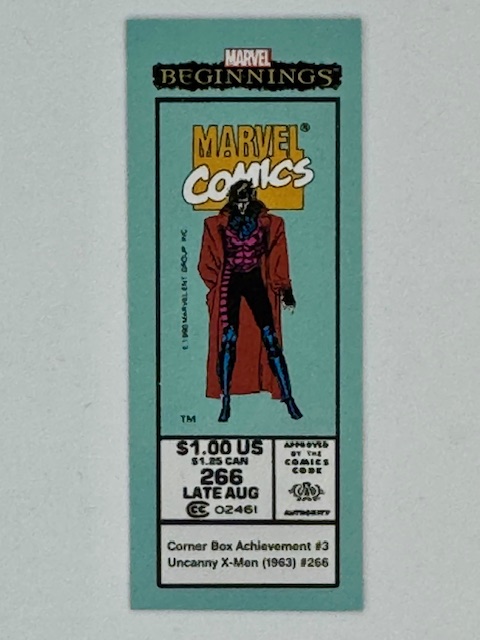
One of the more inspired uses of mini cards in comic related trading card sets recreate comic corner boxes. In the past these boxes appeared in the upper left corner of comic books with Marvel’s logo, character art, and issue information.
They severed as a quick identifier of the Marvel brand and key characters featured in the comic to catch the eye of potential buyers on crowded newsstand shelves and racks.
These corner box cards measure 1″ x 2.5″ and contained card set information around a replicated corner box from key past issues.
Size comparison to a standard sized trading card.
That about does it for this look at trading cards’ smaller siblings. Best of luck with wherever your personal collecting tendencies take you.
Thanks to everyone who’s given this a read. Derailments of Thought currently updates sporadically, but more regular posts will hopefully be on the way soon.
If you enjoy the blog any support is appreciated, including shares on social media and simply continuing to read. If you happened to be inclined and able to help out monetarily please see my Ko-fi page. Every little bit helps.
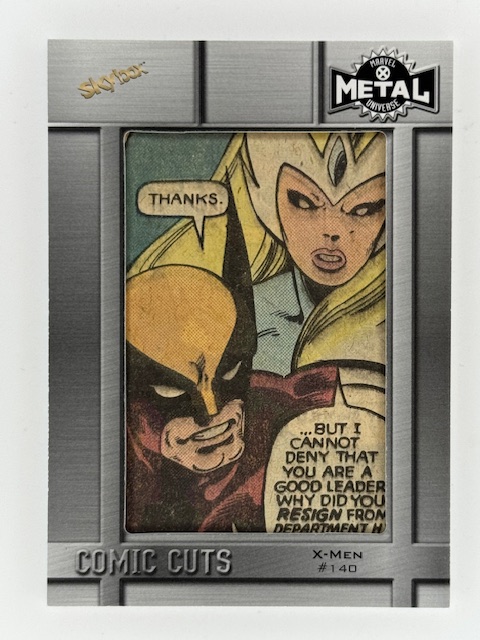
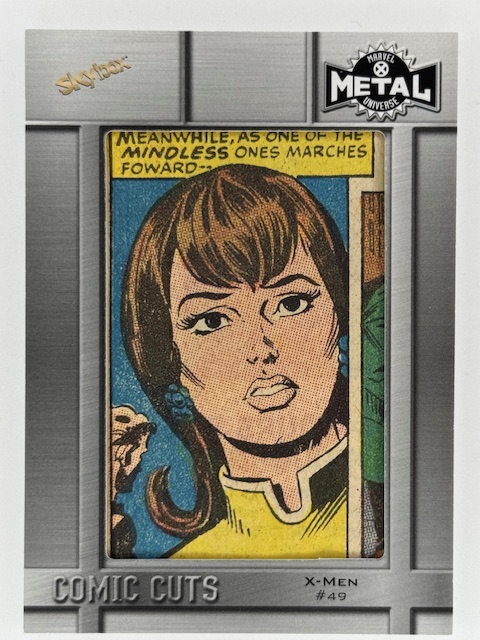
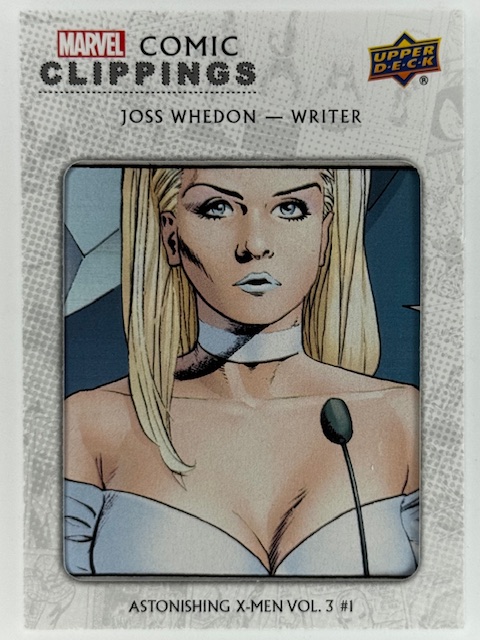
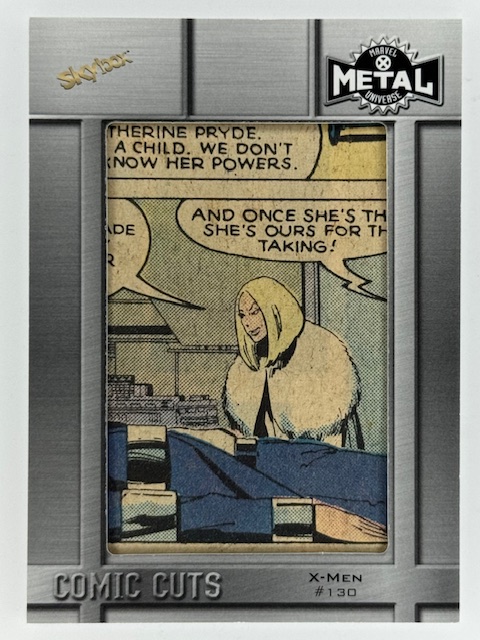
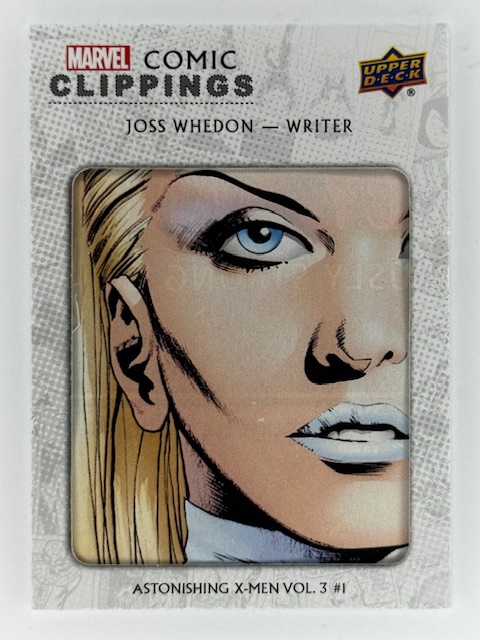
Comic card collecting is normally another format to view and appreciate images of comic book characters. Art can be original for the card set or reproduced from associated comics and can be shown on a variety of materials, but cards are usually a step removed from the inspiring items. However there are types of cards that directly tied to the original material in a physical sense: comic cuts.
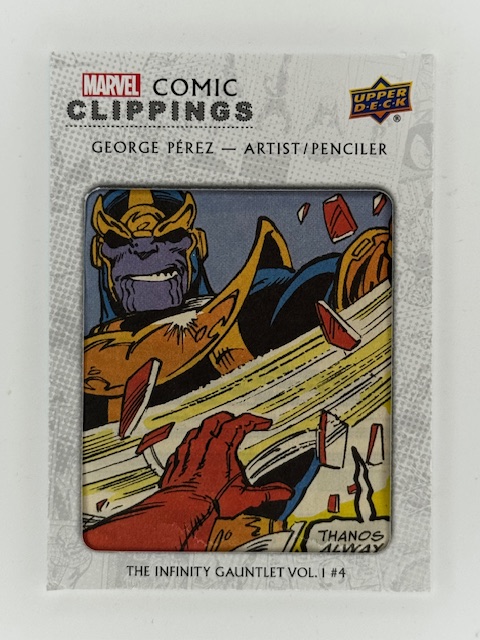
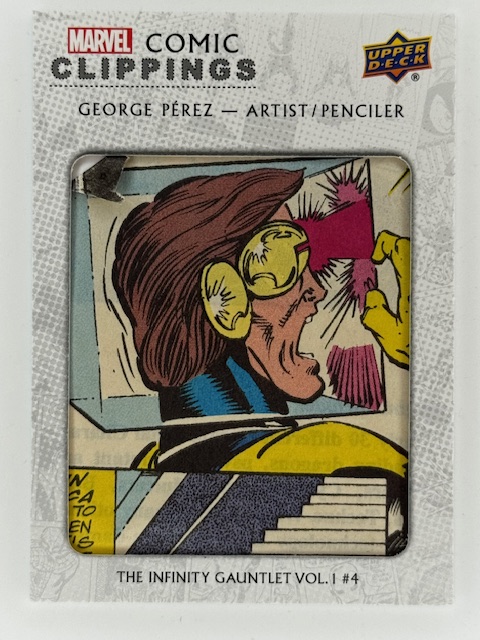
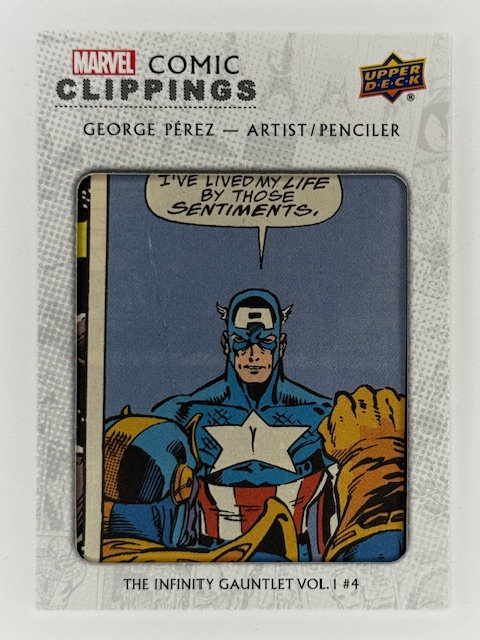
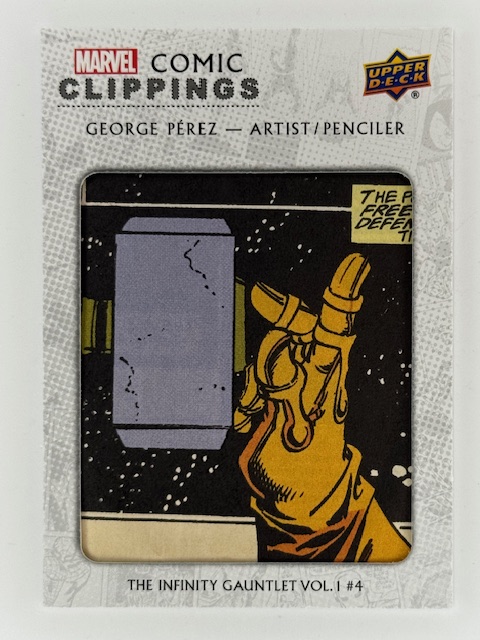
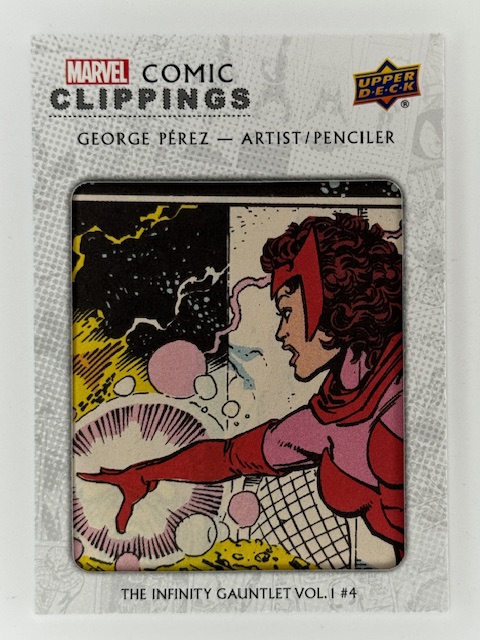
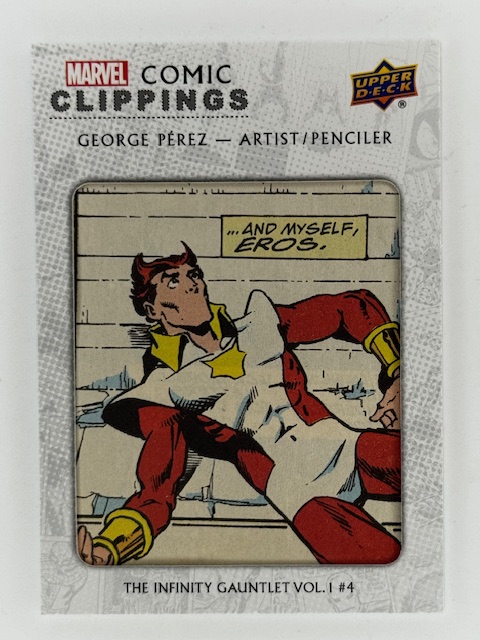
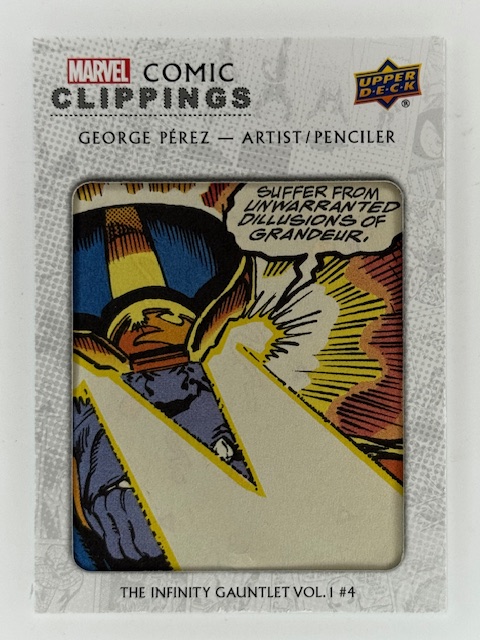
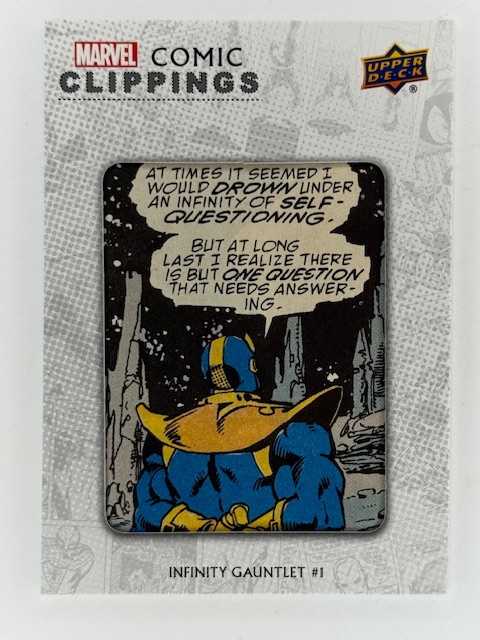
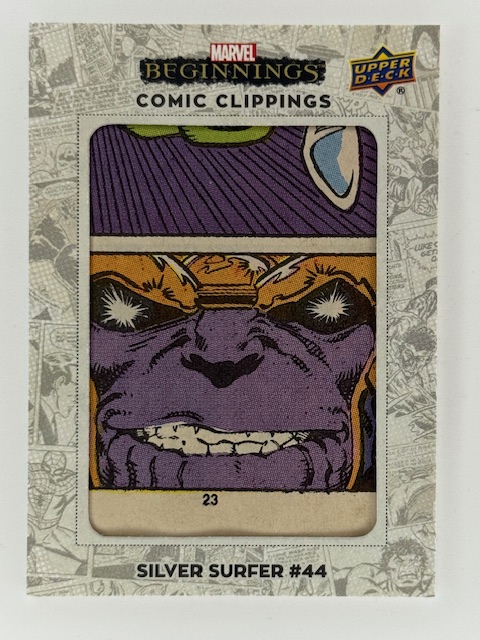
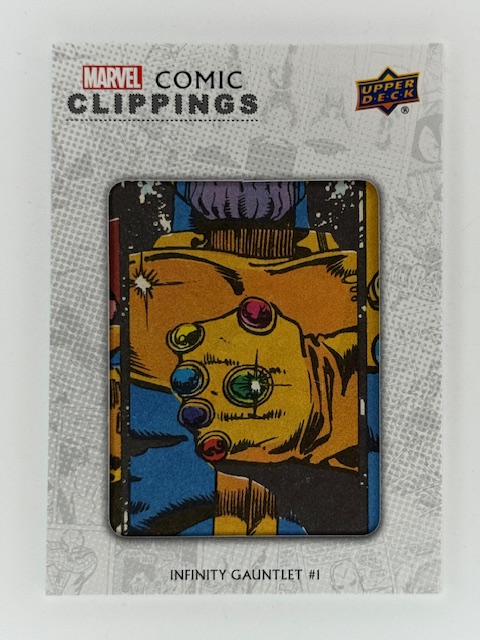
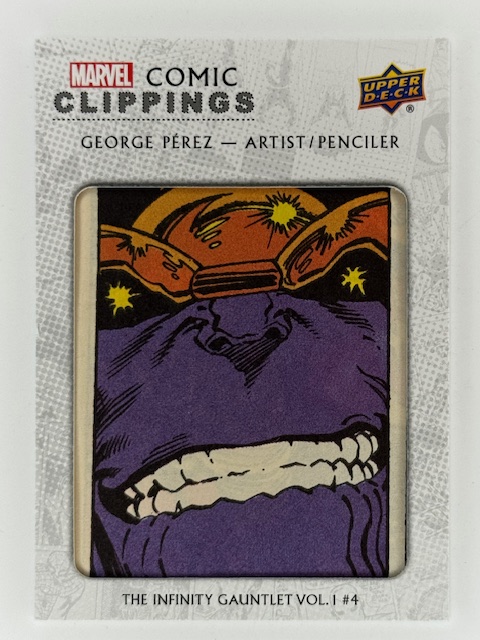
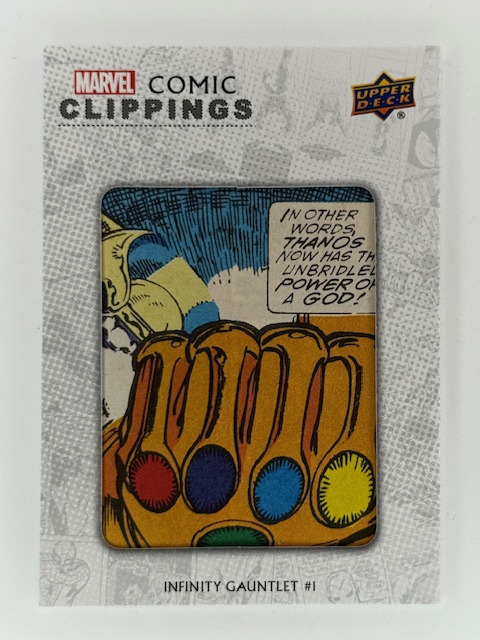
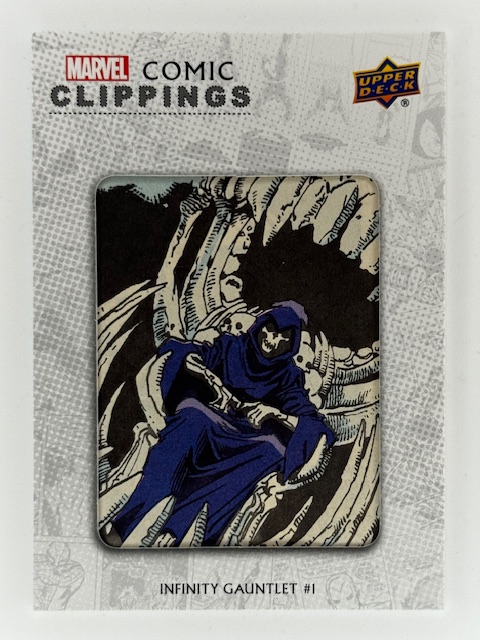
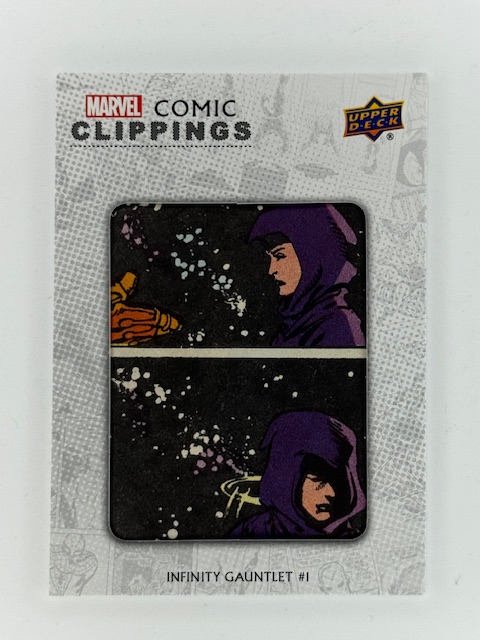
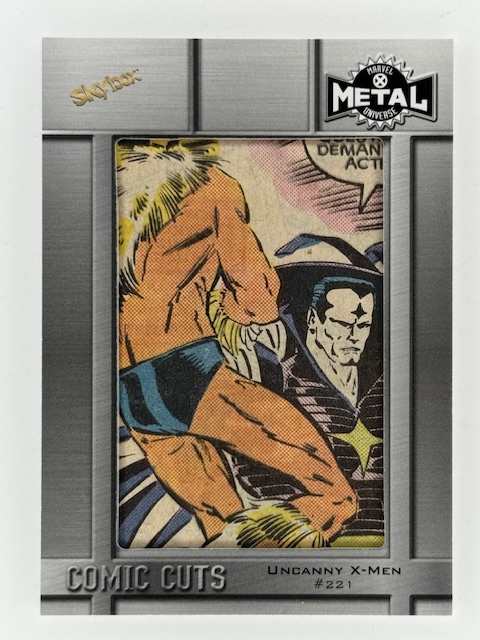
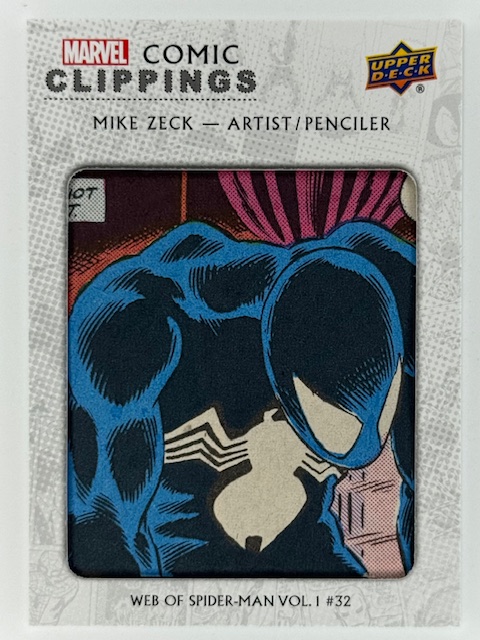
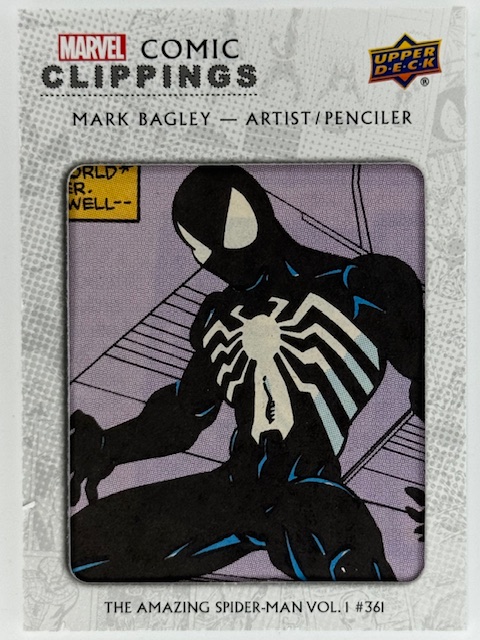
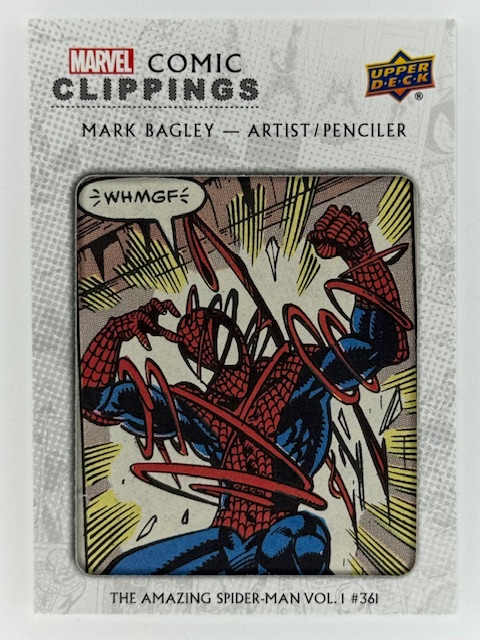
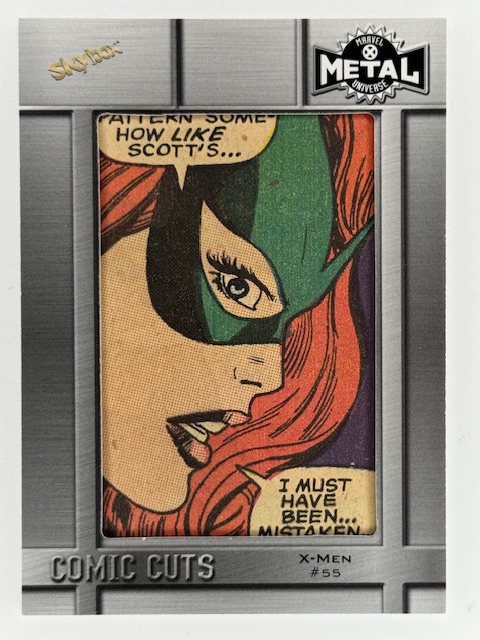
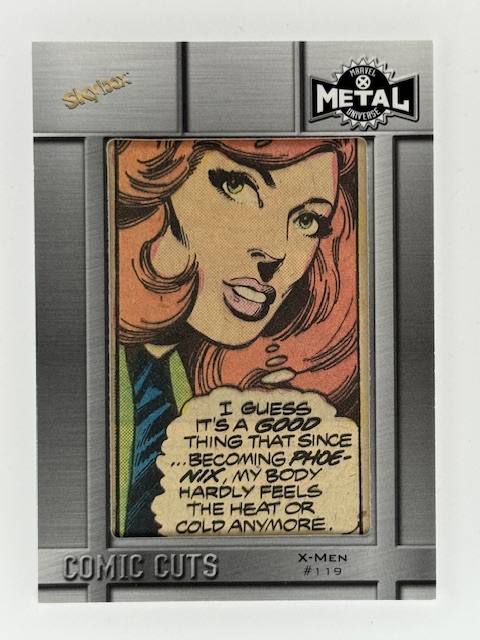
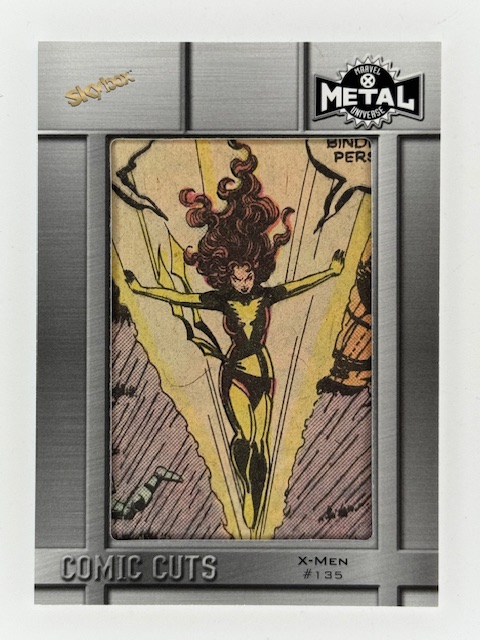
Comic Clippings / Comic Cuts are exactly what they sound like. Some portion of actual printed comics cut out and put into a card. The cardstock has an opening on the front side to frame/show the clipping.
Clippings used to this are most often a single panel that can be spotlighted on the small surface of the standard 2.5 x 3.5 inch size for trading cards.
Comic cuts can be controversial, as some collectors don’t see the point of them and/or object to comics being cut apart to make them. I’m not going to wade into a debate of the merits. I personally like them as unique and unusual chase insert subsets.
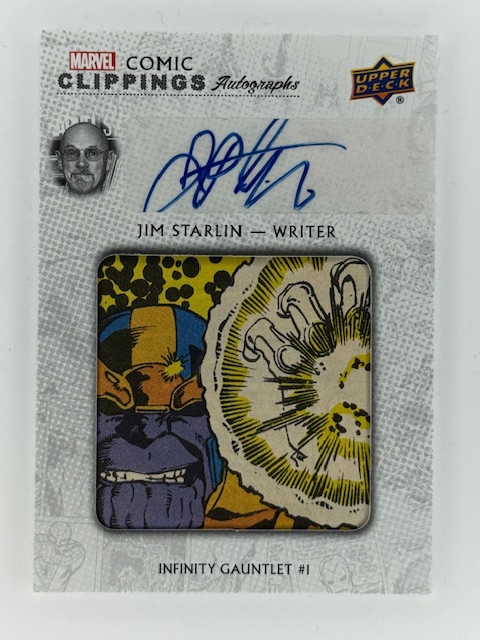
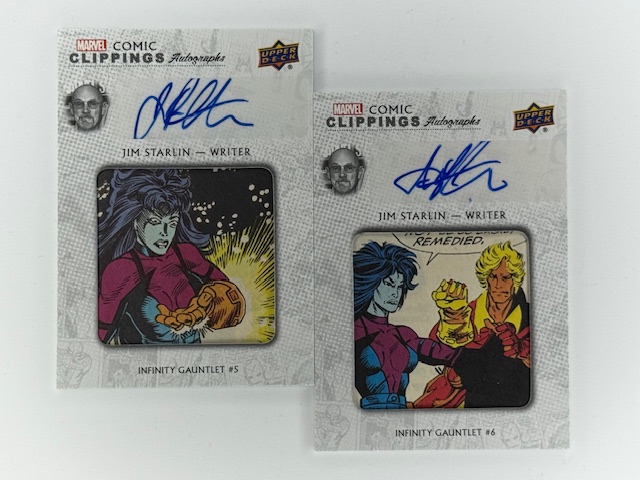
Like many other collectors of this type of insert, I concentrate on collecting cuts of favorite characters and storylines. Infinity Gauntlet, which I read as it came out when it was originally published in 1991, remains one of my favorite comic stories of all time. It contains the broad strokes storyline that was the basis for Thanos’ role in the MCU. A good chunk of my comic cut card collection feature panels from that six issue series, with special focus on Thanos himself, Lady Death, and Nebula’s brief time with the gauntlet.
Other cuts I’ve sought out relate to specific favorites, including Emma Frost, Psylocke, and a host of other X-Men characters.
I adore cuts of characters that visually stand out. In particular the Spider-Man related cuts in my collection tend to focus on black suit Spidey and Venom. The design is striking and looks great spotlighted in this format. A couple of these cuts come from another classic, favorite storyline of mine, Kraven’s Last Hunt.
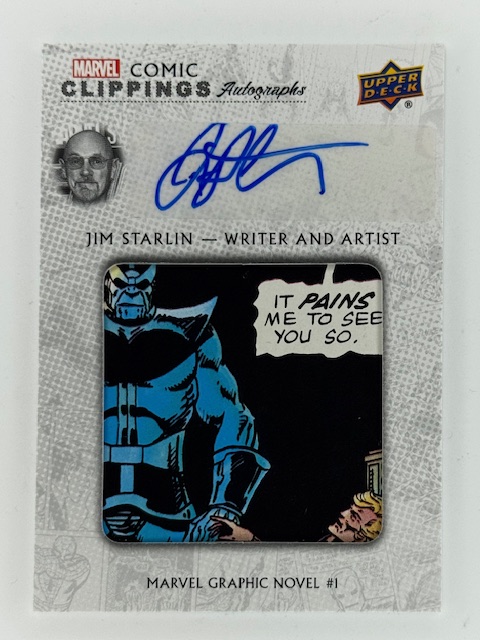
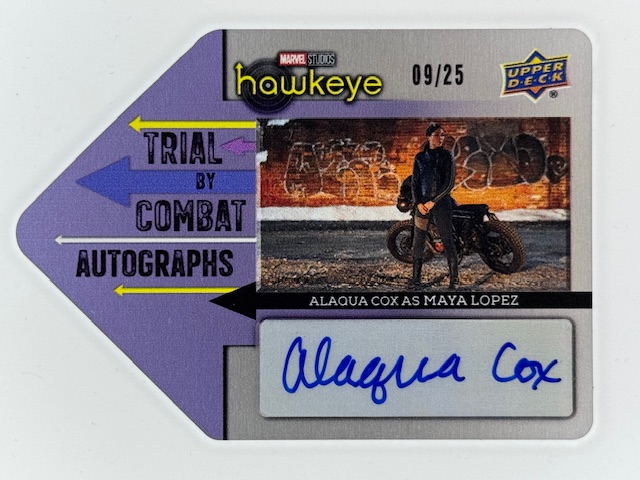
One of the cooler variations of comic cuts feature autographs of creators of the comic issue the cut is from. These can be from the artist of the shown panel, but also the writer or editor of the issue.
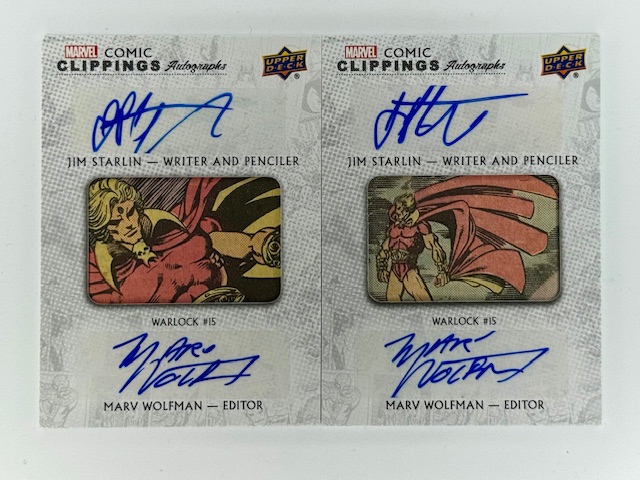
Occasional, rare dual signature cards are signed by writer/artist or writer/editor pairs. I have several with signatures by Jim Starlin, many on Infinity Gauntlet panels and a couple duals from Warlock with editor Marvel Wolfman, as well as some by legendary X-Men writer Chris Claremont.
These cuts feature smaller clippings, as the border surrounding the cut needs to leave room for the autograph. Autos are typically done via sticker rather than directly on card for these likely for both space and production reasons.
Perhaps even more so than regular cards a comic cut’s desirability varies wildly from person to person due to a variety of factors. Personal taste is of course foremost, with individual meaning to stories and characters as discussed above often having even more significance than normal due to these containing actual pieces of the comics.
But there are numerous other considerations as well that don’t apply to other inserts. Cuts from issues that are rare or particularly significant can become more sought after. The condition of clipping is important, as older comics paper quality can have declined and the printed image san fade. Printing mistakes, imprints, or other imperfections can also affect perceived value.
One of the most interesting aspects that’s largely unique to cuts is how well the panel stands on its own. Uncluttered images and poses of popular characters tend to work best as opposed to half cut off panels overrun with text bubbles.
That said some collectors don’t mind mid-story text heavy cuts, and in certain cases a bit of context via speech bubbles or captions can more strongly tie back to the comic the cut was taken from.
Card design varies from set to set, which affects the shape and size of the opening and amount of border that will be surrounding it. This will impact how the cut looks and feels, as panels are very rarely going to measure the exact same as the display opening. As mentioned above pieces of other panels encroaching on the featured image can be less than ideal.
On the other hand cuts forced into displays smaller than the panel can sometimes provide a more dramatic focus on the subject. And so on. These are highly individualized collectibles that have a million little details that can determine whether any particular card speaks to a collector.
Beyond just the graphic design of the card set, there are some variations on the idea of comic cuts that make for unique implementations.
One interesting insert type is Upper Deck’s “Coinage,” in which actual coins are imbedded into the cards. For their comic related sets that had this subset they featured classic comic cuts as well, with the imbedded coin(s) equal to the cover price of the comic the clip is from when it was originally published.
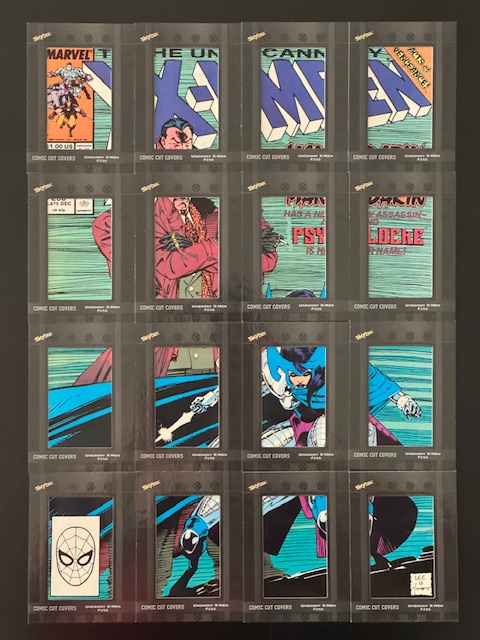
Another interesting variation on the comic cut concept are cover cuts. Cover cuts feature an entire cover from a comic divided into card sized pieces, forming a multi-card “puzzle” that together show the original cover.
Cover cuts are usually only available via special redemption methods that allow multiple cards to be awarded together, such as ePack achievements, so that the collector is getting the whole cover and not just one random 16th of it. These were rewards for difficult to complete collecting tasks.
Milage on these varies, and they are even more susceptible to some of the things I’ve been discussing than normal cuts. Card borders are even more attention grabbing when they are crisscrossing a larger combined image, and can block key parts of the cover. Sometimes obscuring character’s faces, or otherwise hiding key portions of the image.
That said I personally think they look pretty great in some cases, and having a couple of them of key issues of favorite characters is one of the highlights of my collection.
I hope everyone’s enjoyed this look at a literal intersection of cards and the comics they spotlight. Best of luck with wherever your personal collecting tendencies take you.
Thanks to everyone who’s given this a read. Derailments of Thought currently updates sporadically, but more regular posts will hopefully be on the way soon.
If you enjoy the blog any support is appreciated, including shares on social media and simply continuing to read. If you happened to be inclined and able to help out monetarily please see my Ko-fi page. Every little bit helps.
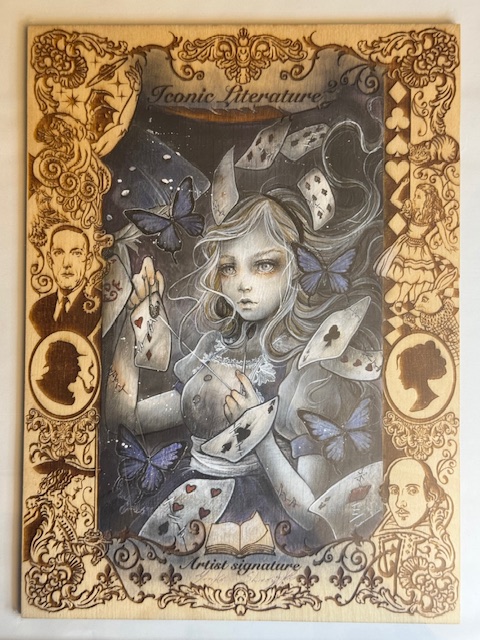
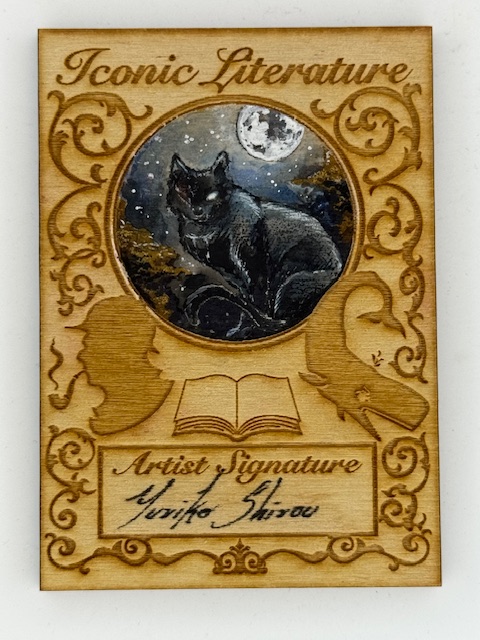
Cabinet of Curiosities Treasure metal variant by Yuriko Shirou.
When thinking of trading cards, small collectible pieces of cardboard/card stock immediately spring to mind. But in modern collecting there are a variety of cards that break the mold a bit and are made from other materials.
Let’s take a look at the interesting case of trading cards made from metal.
Last month I wrote about printing plates, thin metal relics from the card creation process turned into collectables. In contrast here I’m highlighting actual cards made for various sets that are themselves made of metal.
One other side note before delving too deep: there are card sets and subsets that use “metal” as a descriptor, such as the Skybox Metal Universe series. It’s a theming/branding thing and the vast majority of cards in those sets are still card stock. Those are different from what I’m featuring here, which again are cards made of metal.
There are two main types of metal cards I’d like to showcase, with some subcategories. Then at the end of this post I’ll share a few tangentially related cards.
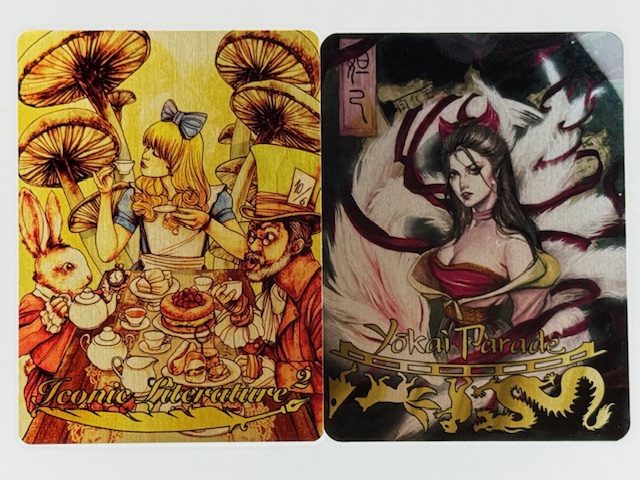
First up are the straightforward case of printed metal cards. These are exactly what one would think of as trading cards, simply printed on metal instead of card stock. They are at a minimum a bit thicker than both standard cards and the thin metal printing plates previously referenced.
While metal cards are inherently more sturdy than standard cardboard cards, proper storage and protection can have some additional things to be wary of. For example stacking regular cards is usually fine for temporary sorting, etc. But metal cards can easily scratch each other if care isn’t taken and as such while it may seem counter intuitive it’s even more important to get them immediately sleeved and protected than normal.
Like other special inserts metal cards can be variants of base cards or their own unique subsets, and vary greatly in terms of rarity and design.
A great example of straight up base set variants are the metal cards featured in Iconic Creations’ sets. These cards are identical to their base set counterparts outside of the material they’re printed on. There’s more gloss to the finish on these than Iconic Creations’ base cards, and the hues end up a touch more subdued.
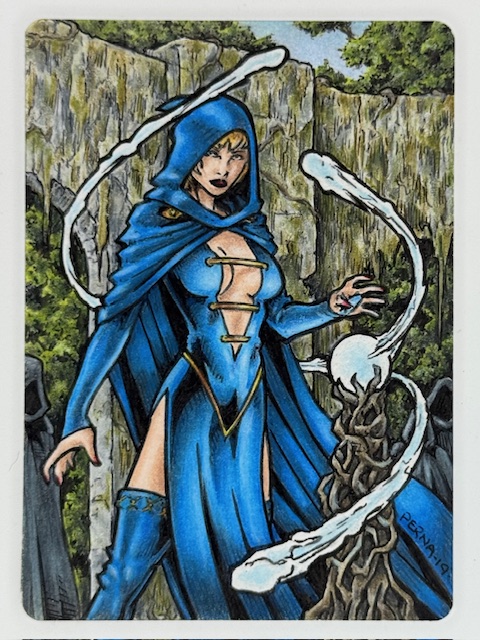
Perna Studios also does some great metal chase subset versions of their base, chase, and promo cards.
By Juri H. Chinchilla.
While some metal cards have both the front and back printed like their cardboard counterparts, like those done by Perna Studios, Iconic Creations and some other publishers use stickers for the backs on metal cards.
The metallurgy subsets from Marvel Masterpieces are fantastic versions of the base cards from the same sets. The designs on these vary slightly from the base, as the border is more filled in on these and as such the images are slightly cropped compared to the base and other variants.
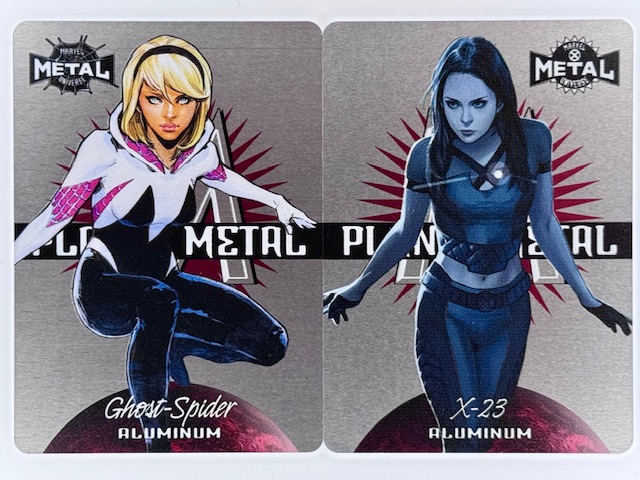
Planet Metal subsets from the previously mentioned SkyBox Metal Universe series (made nowadays by Upper Deck) are an unusual case. In some sets, such as the pictured cards above from Spider-Man Metal and X-Men Metal, they are a metal card chase subset. In others, such as AEW Metal, they are die cut cardboard.
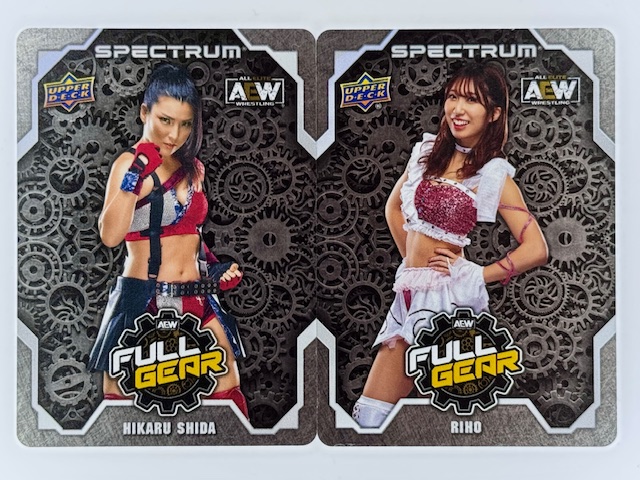
There have been metal AEW cards from Upper Deck in other sets, such as the Full Gear and Chair Shots subsets from AEW Spectrum.
Metal cards can themselves have variants within a set. For example the die cut oval shaped metal cards from Upper Deck’s Shang-Chi set had rarer gold versions, and their logo shaped die cut metal cards had rarer blue variants.
Like “regular” trading cards, special subsets of metal cards are elevated with autographs. Cards may be signed by the athletes or actors featured, by the artist for art based cards, or creators related to the characters or stories referenced for comic related cards.
Often signed metal cards are specific, unique subsets. Although they can also be direct variations on non-autographed metal cards within the same set.
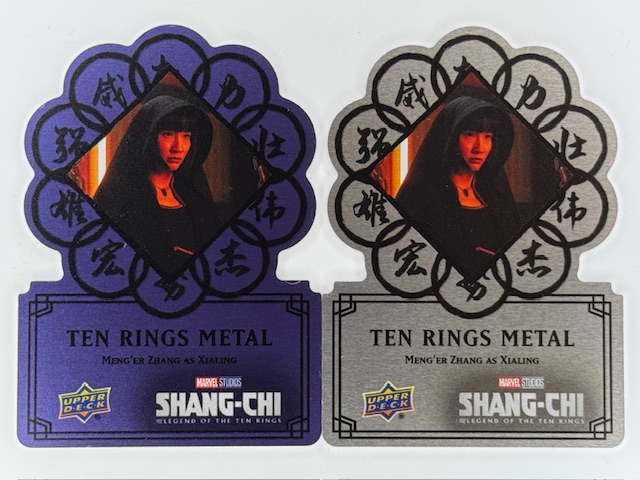
Pictured below is a Black Metal Logo Die Cut card from Upper Deck’s Shang-Chi set featuring Meng’er Zhang as Xialing next to the autographed version featuring the same design and image. Both were available exclusively as achievements via Upper Deck online purchasing and trading platform e-Pack.
Given the nature of the material metal card autos generally feature autographs affixed via sticker. But occasionally there can be direct autographs if done carefully with the right type of markers. The Stainless Stars subsets from Panini’s WWE Impeccable sets are great examples of autos done directly on metal cards.
Meiko Satomura and Io Shirai (now Iyo Sky) blue Stainless Stars cards.
The other major type of metal cards I’d like to spotlight is metal sketch cards.
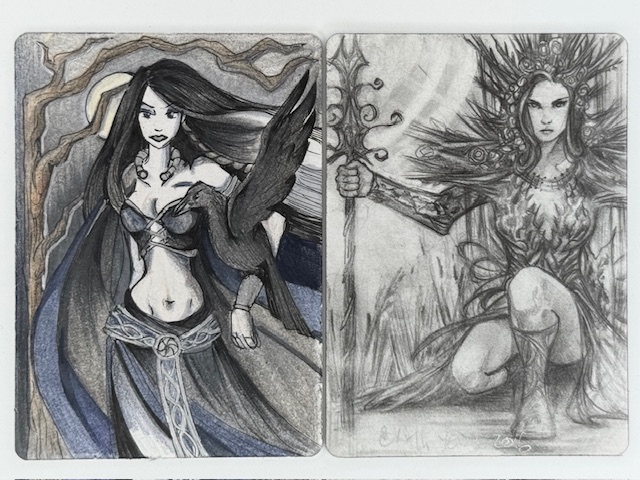
Metal APs from Perna Studios’ Elementals and Hallowe’en Witchcraft sets by Stacey Kardash. Metal sketch cards/APs by Achilleas Kokkinakis from Classic Mythology III.
Like sketch cards done on card stock these are individualized pieces of art created on the cards. One side of the metal card is prepared with a surface meant for drawing directly on it.
Metal AP from Hallowe’en Witchcraft by Tony Perna.
In past sets Perna Studios had a small number of these metal sketch cards inserted in packs. For those sets artists often had a metal AP (Artist Proof) or two (in addition to their card stock ones) that they could accept commissions for within the content guidelines of the set.
Metal sketch cards/APs by Alexis Sarah Hill and Craig Yeung.
The combination of unique creations on unusual card material made these truly stunning pieces of art.
To wrap up here are a few metal related cards that aren’t exactly either of the types highlighted above, but do involve metal, are all pretty awesome, and are worth a look.
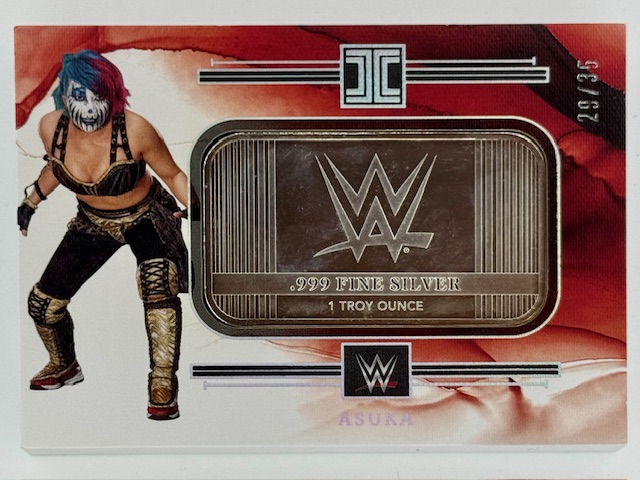
One subset that’s both cool and kind of hilarious is the silver bar cards from Panini Impeccable. There’s just straight up a 1 troy ounce mini silver bar in the card. The card itself is card stock surrounding the bar, but this definitely fits in this feature on metal use in trading cards.
All of the cards in this section are thicker than what most people think of for trading cards. In this case considerably so, as these monsters are 3/8 inch thick.
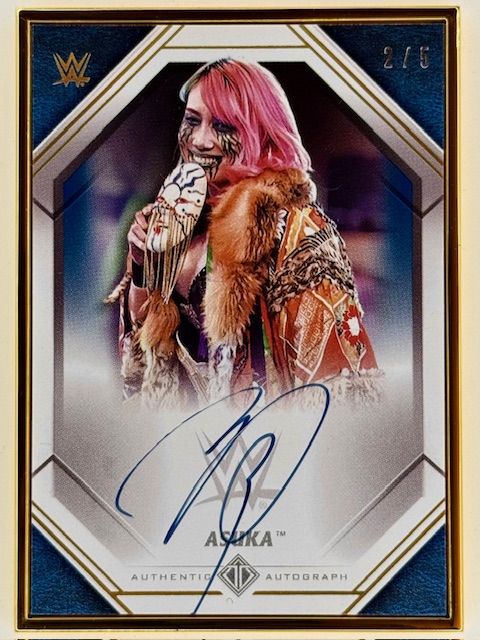
A really nice looking way to incorporate metal are framed cards. The card itself is still card stock, but it’s encased in a metal border (almost always gold colored in the versions I’ve seen).
Finally here’s an example of a metal card where an image is cast on it rather than printed. The below bronze Psylocke card is a tribute to Joe Jusko’s work on Marvel Masterpieces ’92 and was a reward as part of a Kickstarter for an art book featuring Joe’s images from that set.
That does it for this spotlight on a small sample of the interesting ways metal is used in trading cards. Best of luck with wherever your personal collecting tendencies take you.
Thanks to everyone who’s given this a read. 2024 was a sporadic return for this blog and I hope to sustain more regular updates going forward in 2025. Derailments of Thought currently updates once to twice a week.
If you enjoy the blog any support is appreciated, including shares on social media and simply continuing to read. If you happened to be inclined and able to help out monetarily please see my Ko-fi page. Every little bit helps.
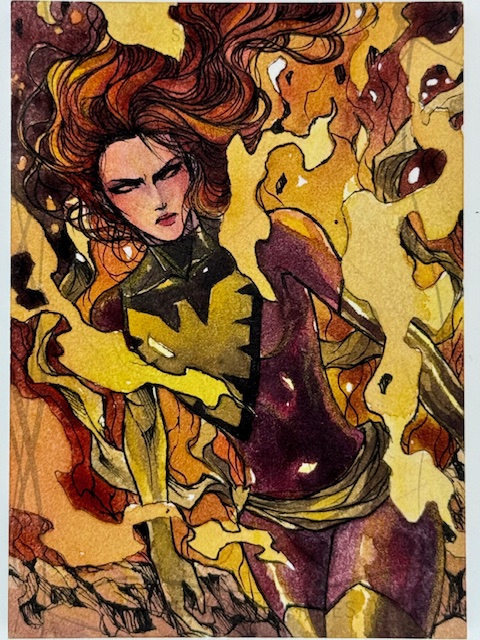
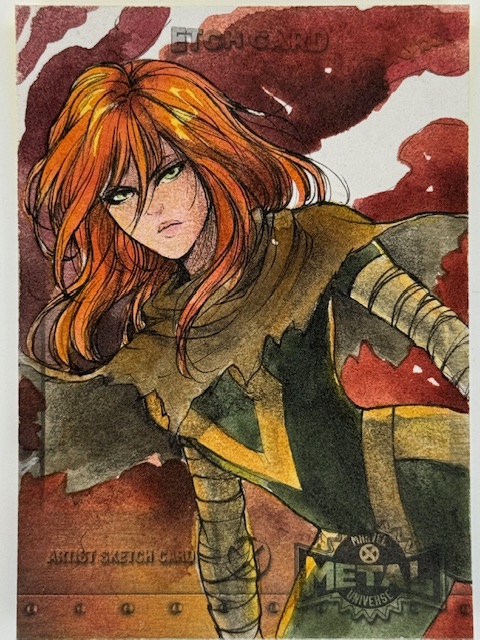
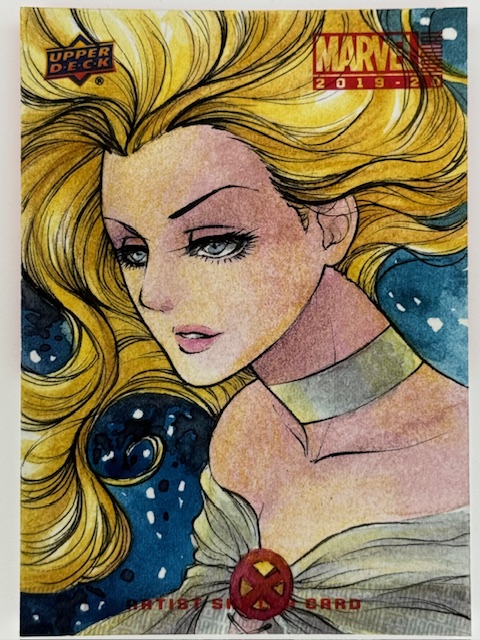
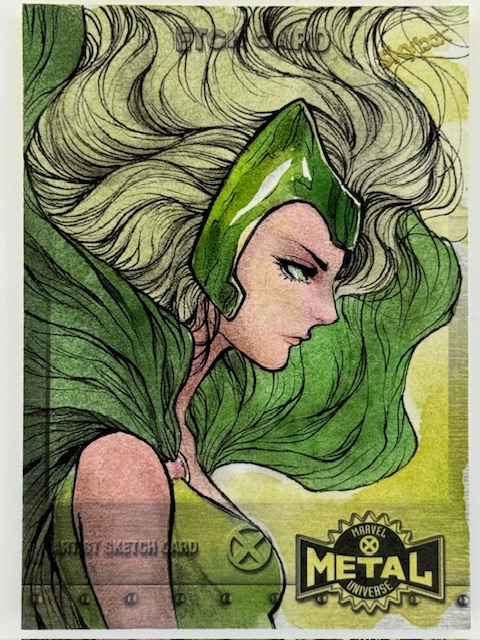
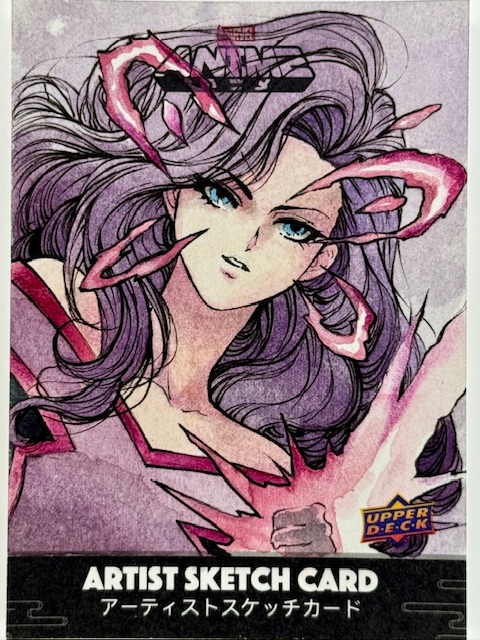
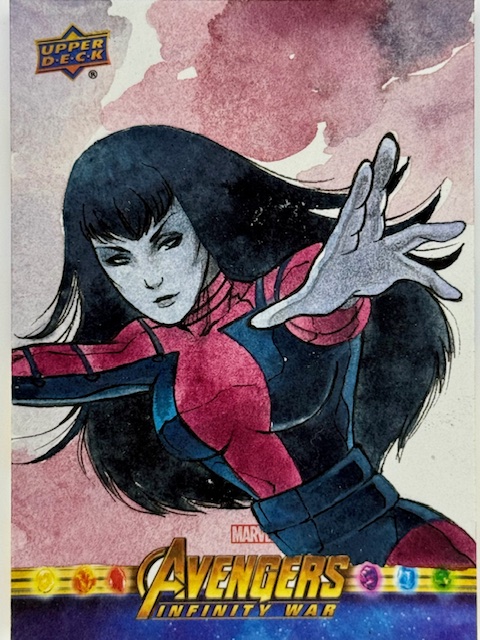
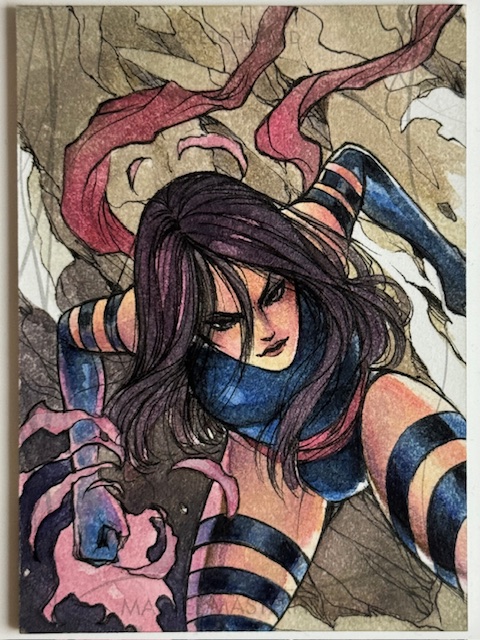
Sketch cards are unique pieces of art impressively created on extremely small workspaces. The Marvel comics related subset of these collectibles features a wide variety of styles from a great number of artists, and one of the very best is the phenomenal Lydi Li.
Lydi’s been a longtime favorite artist of mine. There’s something about her work that jumps out and leaves a lasting impression. Her cards are incredibly popular in general and are often prized possessions for those able to get them.
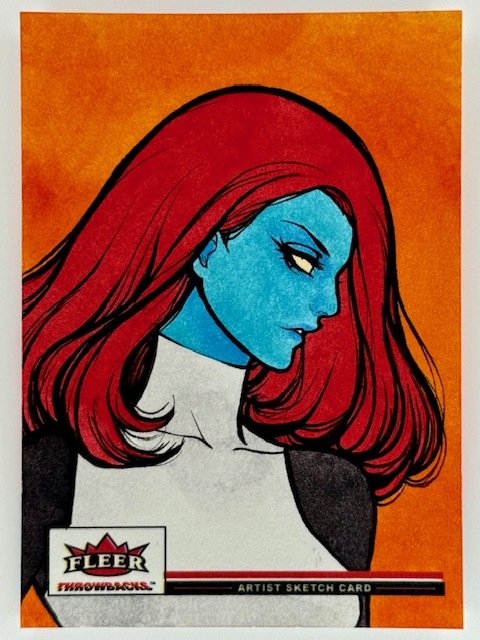
The subtle variety in her art of the same subject over multiple sets is a delight. Differing little touches depending on the theme and mood to be expressed make each masterpiece unique. The bold, saturated coloring on her Mystique from Throwbacks is stunning and perfect for the set.
In contrast her portrayal of the same character for Black Diamond features more muted tones. It’s almost reminiscent of Juri Chinchilla’s work (another absolute favorite of mine). It’s striking in a different way. Both cards are incredible, made even further captivating by their differences.
In general Lydi’s style is a wonderful balance of softness with vibrance. It’s eye catching and immediately recognizable, conveying the essence of the chosen character in a distinct way.
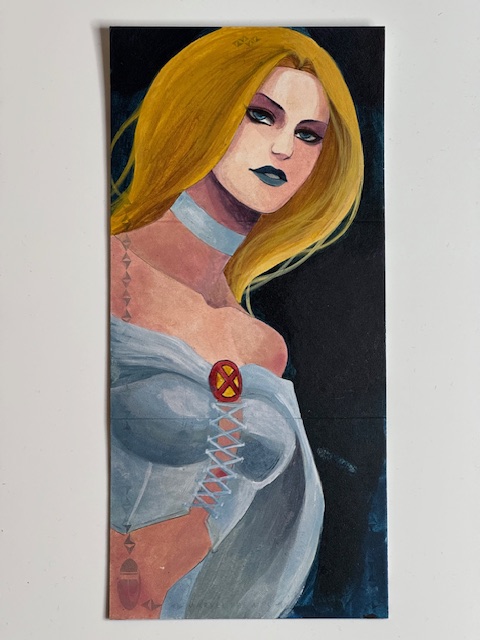
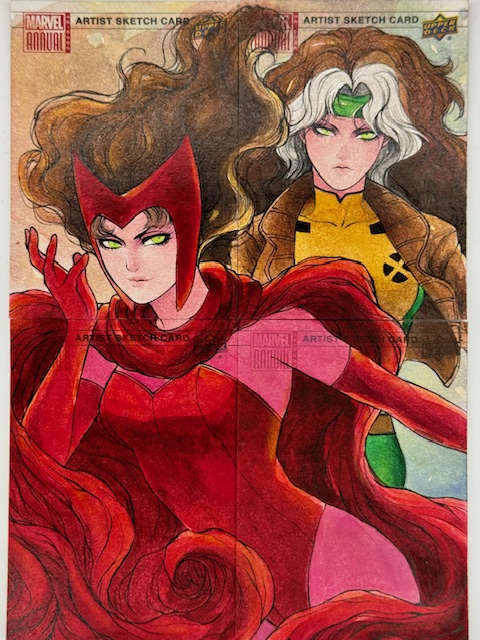
From great depictions of fun secondary characters like Armor to a vivd four card puzzle of powerhouses Scarlet Witch and Rogue every piece I have of hers demands immediate attention. A couple of recently acquired particularly cherished additions to the collection include a gorgeous triple panel of the White Queen Emma Frost and a jaw dropping Thanos framed by his beloved Mistress Death.
There’s a delicate touch to Lydi’s art that makes it evocative, with a sense of atmosphere and emotion simmering just below the surface. Her versatility makes seeing her cards side by side as fascinating as they are beautiful.
I’m extremely lucky to have so many of Lydi’s cards, and greatly appreciate the beauty and depth they add to my collection.
More information about Lydi’s wonderful art can be found on her instagram.
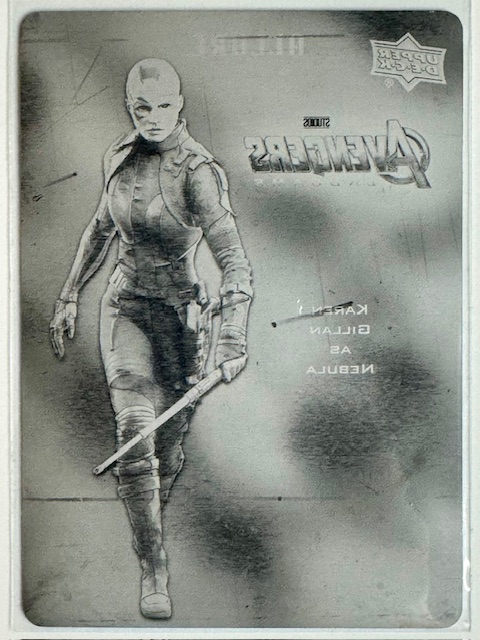
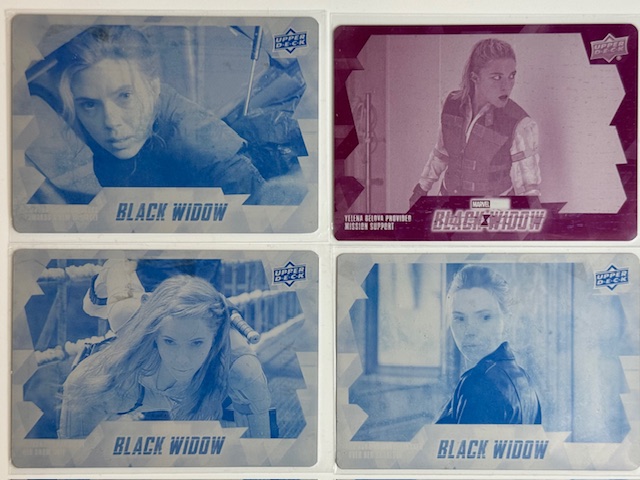
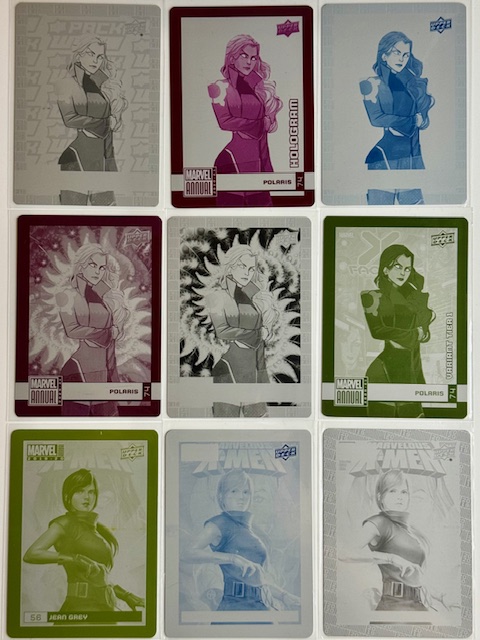
Today I’d like to talk about one of the most unusual and unique trading card related collectibles: the printing plates used to generate the images on the cards.
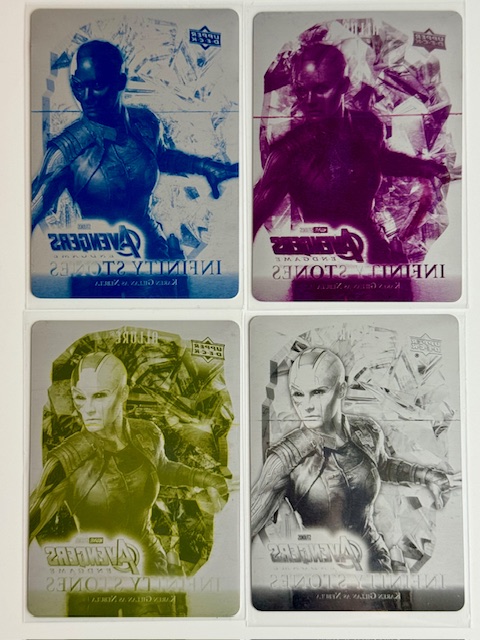
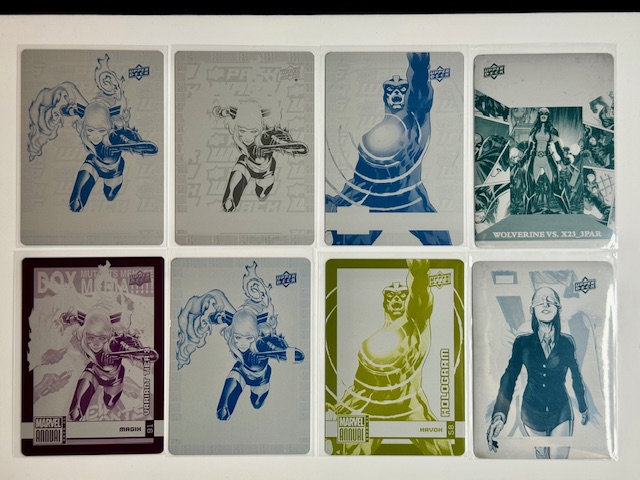
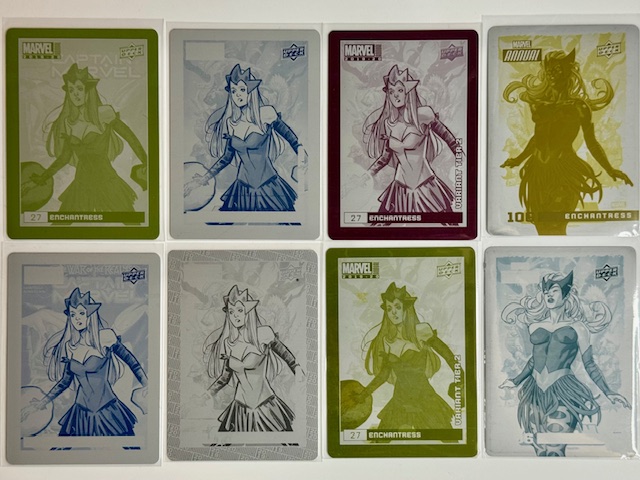
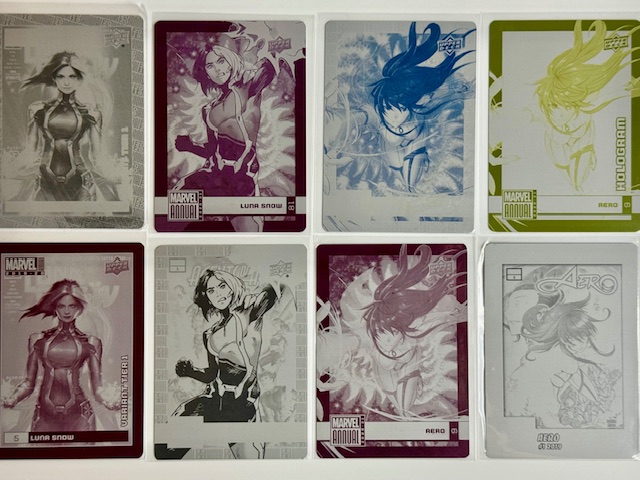
Printing plates are thin metal sheets used in the printing process of the card they represent. Generally there are four plates for a card corresponding to four basic component colors: black, cyan, magenta and yellow. When distributed plates usually have a sticker affixed to the back with publisher, set, card, and copyright information.
Different colored variants of a card won’t have different plates (changing ink saturation levels produces these versions) but variants with different background patterns, text or logos, etc will. Whether these other versions, or any plates at all, are distributed depends on the manufacturer, set, and distribution method.
Printing plates are extremely unique as a collectible. While many of them are still in great shape, given their nature they are also often imperfect as they may contain smudges, printing lines, blurred images, scratches, or other after effects of the printing process. How much these imperfections affect someone’s desire to collect a particular plate generally depends on the extent and of course personal preferences.
Also certain ink colors may have been practically unused in creating an image and that corresponding plate could be largely blank or an otherwise incomplete image. While rare, this phenomenon is a risk and particularly pops up comic and other art based cards (as opposed to photo based cards, where underlying colors are generally present across the image).
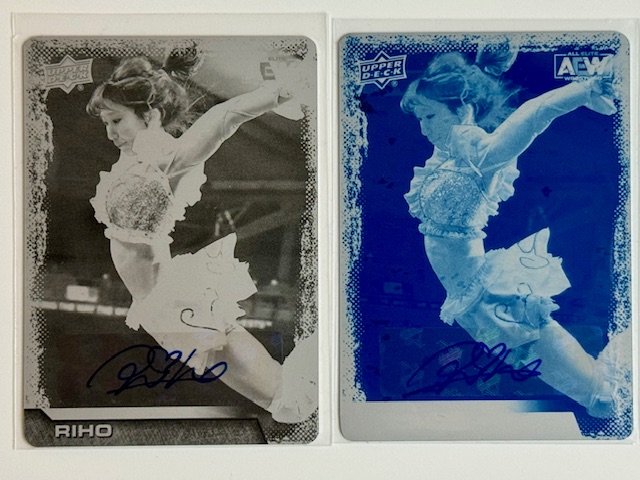
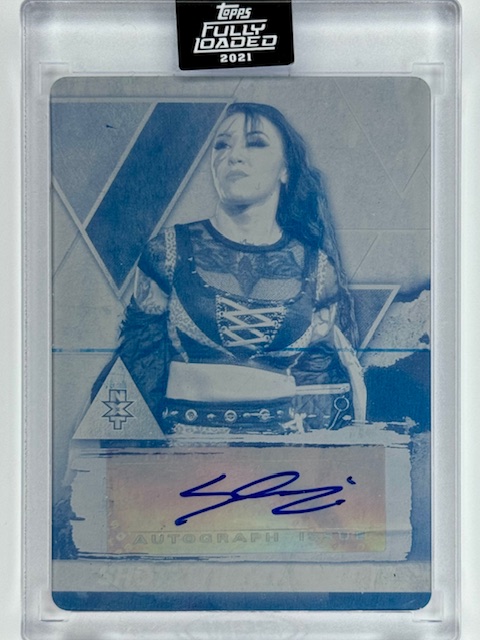
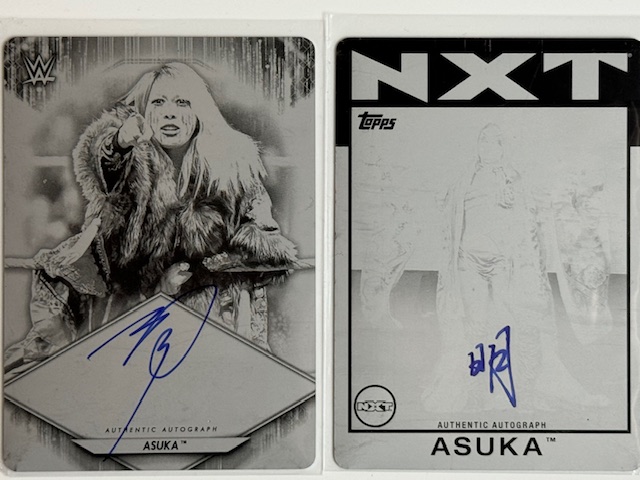
In certain circumstances printing plates may also be distributed with autographs. Actors or athletes depicted, or creators or voice actors of shown characters, sometimes have their autographs on the front of the plates. Usually it’s done via affixing a signed sticker, but direct signatures aren’t unheard of. This is an added layer of collectability and reward for the person who draws the plate.
Peni Paker collection
In addition to printing plates being randomly inserted into packs of their card sets, they are also commonly used as special distribution prizes. Upper Deck often has certain plates set aside to be used as rewards for completing collection goals in their online buying and trading platform ePack.
Sometimes plates used for these purposes are grouped together as sets, occasionally even being collected in connecting booklets. This can be convenient for completionists, as trying to collect all four color plates for a particular card when the plates are separately randomly inserted is a daunting task.
Metal Universe X-men printing plate booklets in custom display cases by Hardball34.
My personal affinity for collecting plates evolved from getting several wonderful booklet collections from the Metal Universe X-men set, as well as drawing some for my favorite characters from Marvel Annual sets and my favorite wrestlers from WWE and AEW sets.
From there I started more proactively chasing/trading for/buying plates and they’ve become a cornerstone of my collections all around. I adore the way the underlying color images look, and there’s just something cool about having a piece of the process.
The lion’s share of my plates are Marvel related from Upper Deck (UD), featuring a dazzling array of comic book characters and MCU actors.
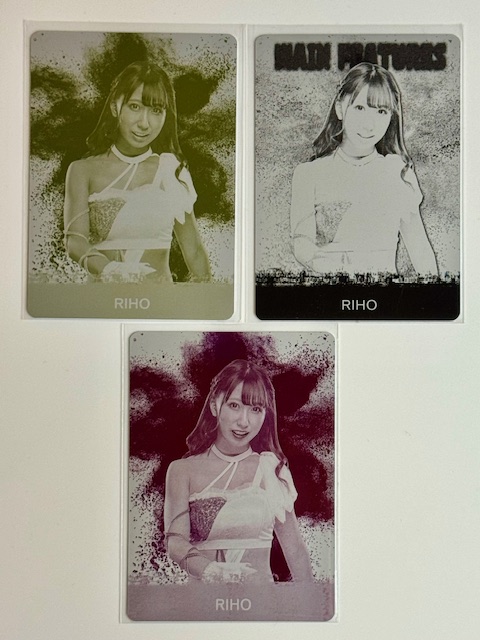
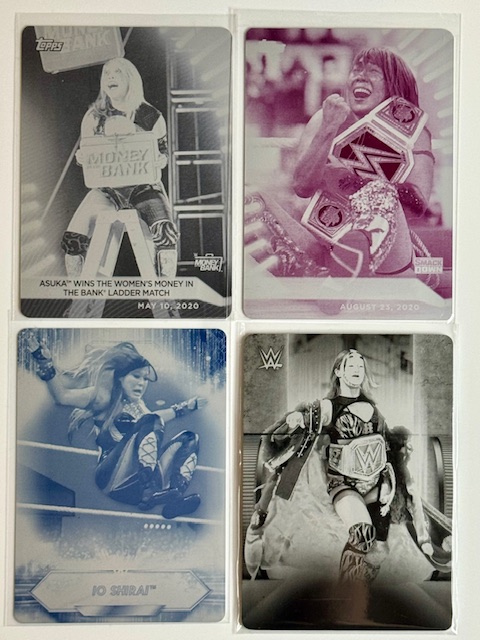
However I also heavily collect joshi wrestling cards, and plates of certain wrestlers from UD’s AEW sets as well as Topps WWE sets form an additional, smaller centerpiece of my collection.
AEW’s Riho, Hikaru Shia, Nyla Rose, and William Regal and WWE’s Asuka and Iyo Sky.Riho plate displayed with AEW 1/1s in a custom frame by Dion Divens.
Chasing plate “rainbows” (a complete color collection of plates for a given card) is a case by case basis for me. For certain images, characters, and wrestlers I collect everything of theirs I can find. In other cases a particular color plate for a particular card jumps out at me and I’m happy just to have that.
Occasionally a plate I’d otherwise want to keep just doesn’t look great to me in that color and/or with its particular imperfections. And of course as with any card related collectible rarity, availability, popularity with other collectors, and luck all greatly influence what actually ends up in the collection.
These little pieces of metal have become some of my favorite collectibles. I love monochrome art in the first place, and the fact that these are essentially art and photos broken down into that format appeals to me greatly. I’m sure I’ll be expanding their numbers for a long time to come.
I hope everyone’s enjoyed the look at my collection of these unusual inserts. Best of luck with wherever your personal collecting tendencies take you.