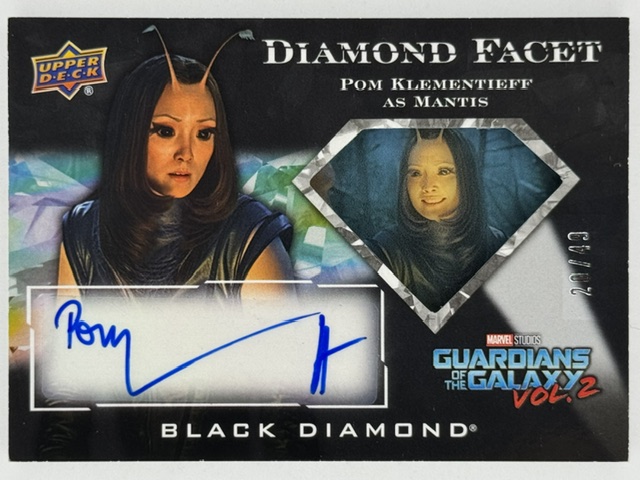
Previously I’ve done some features about trading cards made of unusual materials, including spotlighting various cards made of metal and wood.
Here let’s take a look at the use of plastic in trading cards, specifically cards that have clear/transparent elements.
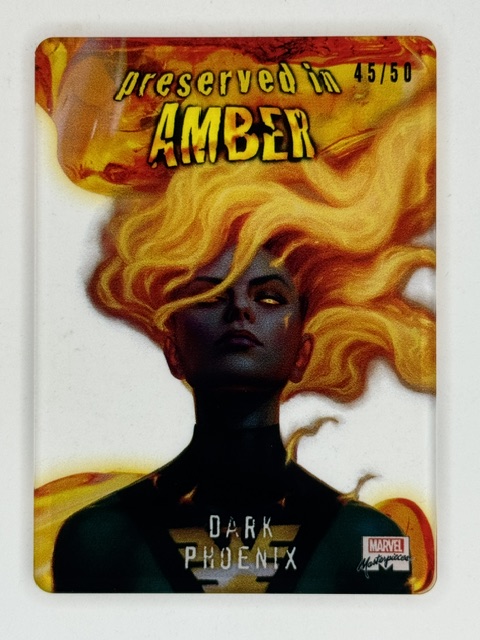
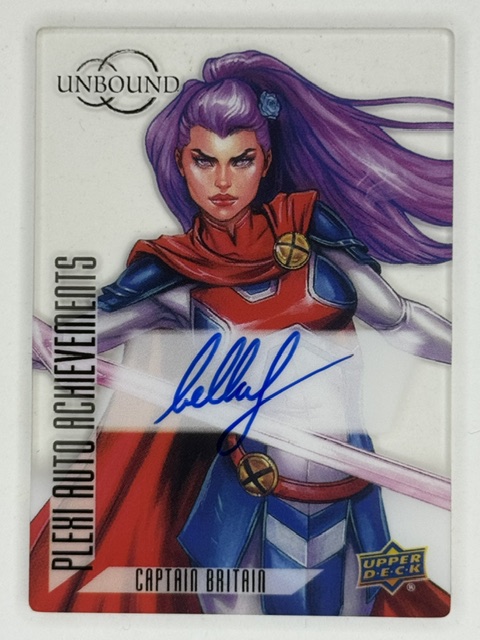
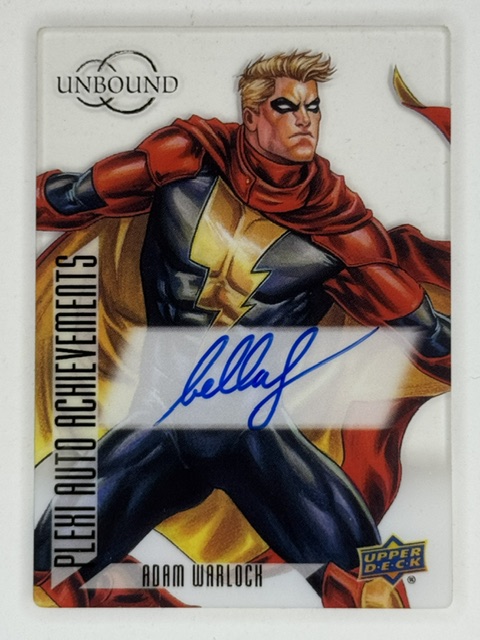
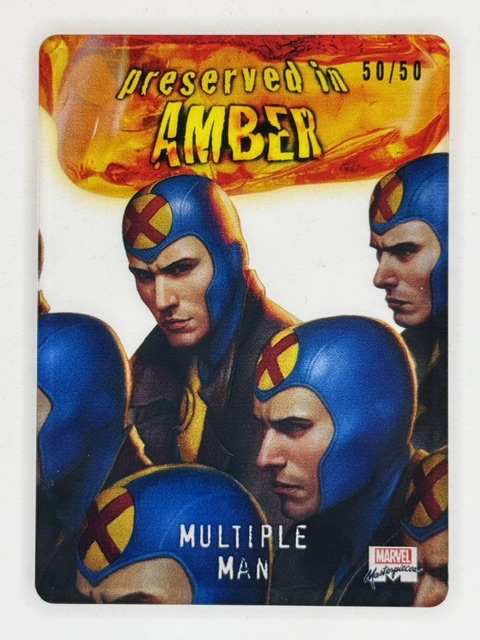
Many types of cards need to be seen in hand to be fully appreciated. From getting the true impact of hand drawn sketch cards to seeing the intricate details on wooden cards to observing the clarity of the art and colors on metal and normal cardboard cards.
But it’s truer for clear cards than for anything else. I’ll do my best to highlight some great examples in photos here, but they’ll of course take on the background I’m using to photograph against. Being able to hold these up to light and observe them against different backgrounds is the better experience and in some ways the entire point of these cards.
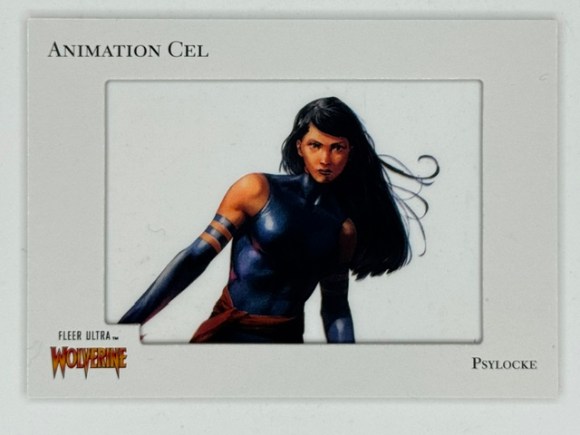
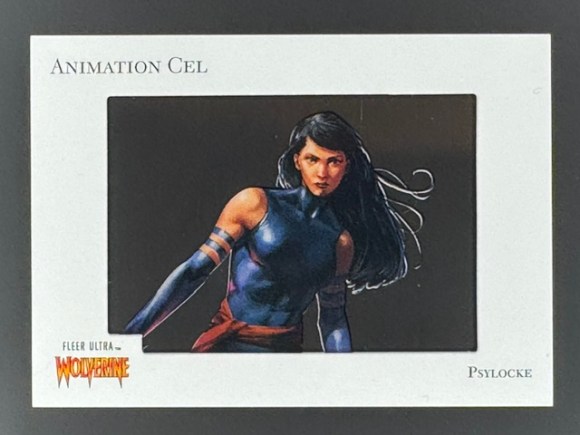
The vast majority of my pictures will show cards on a white background, but here are a couple examples of how different the cards can look by showing a couple of them contrasted against white and then black backgrounds.
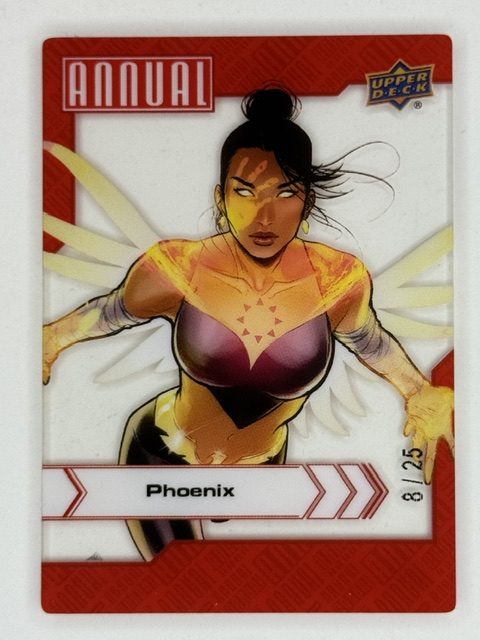
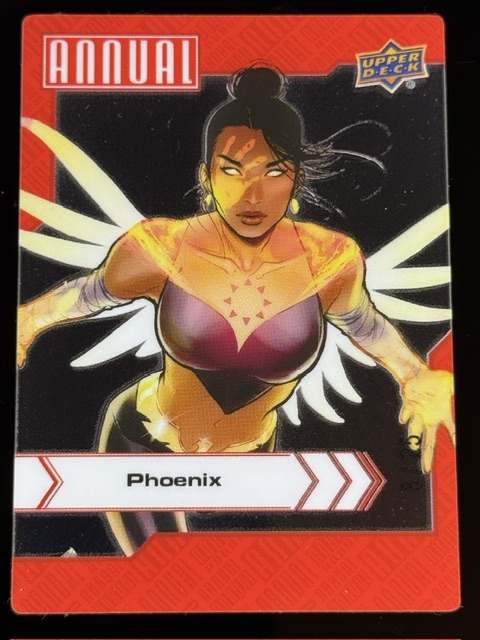
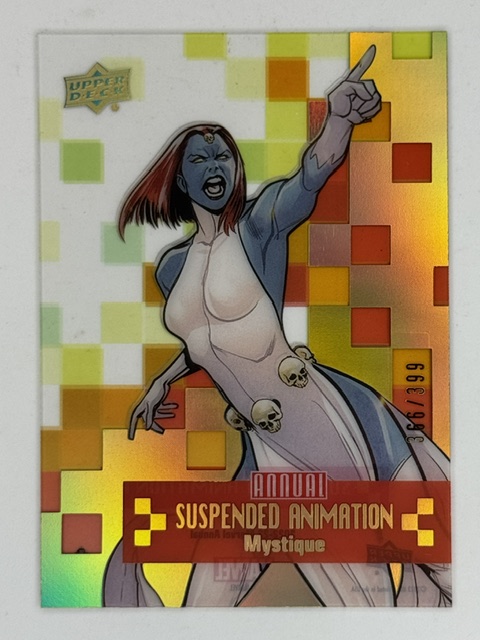
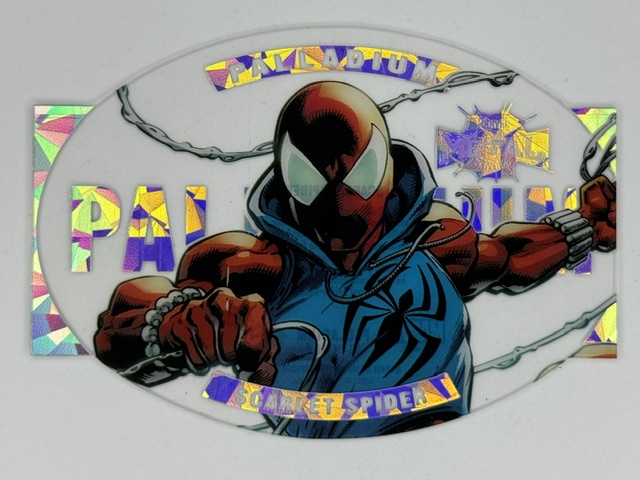
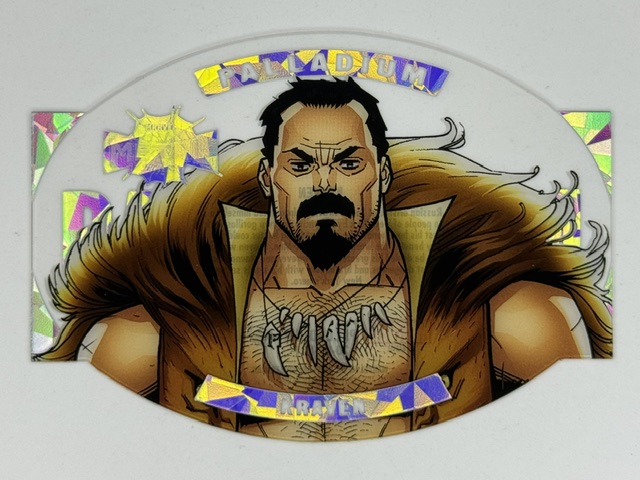
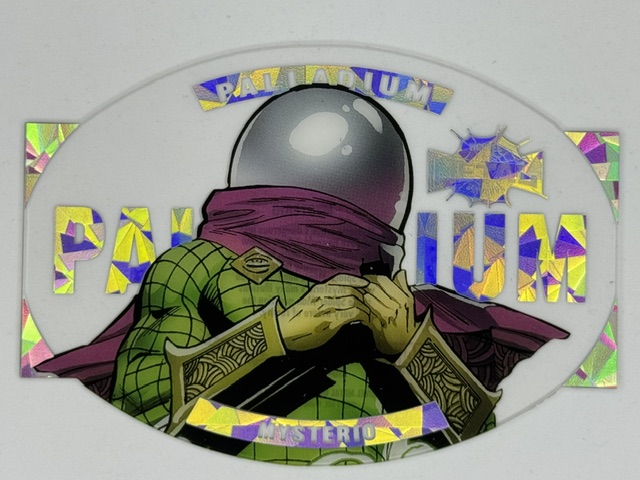
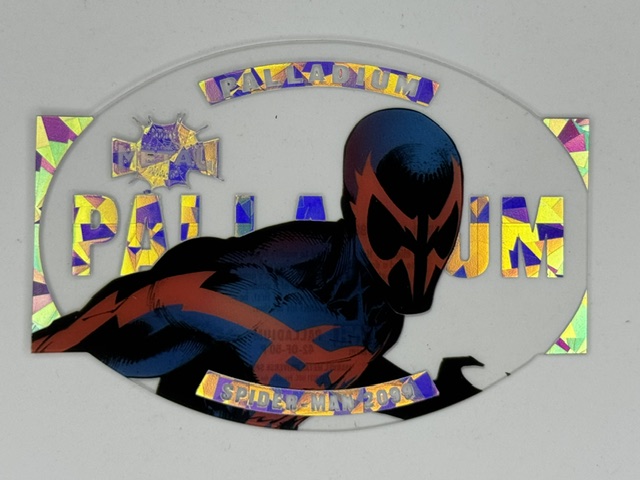
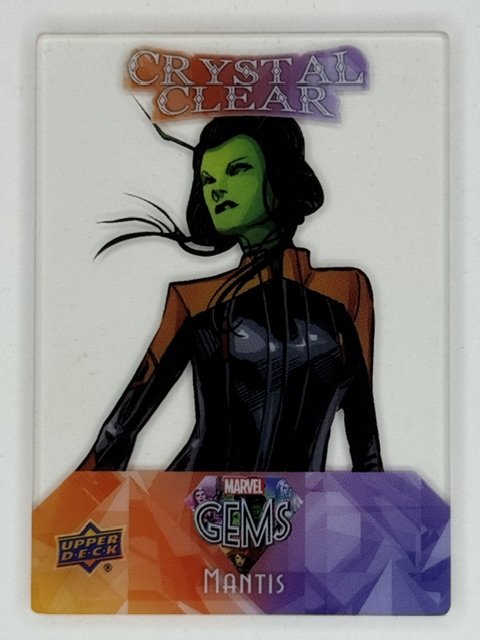
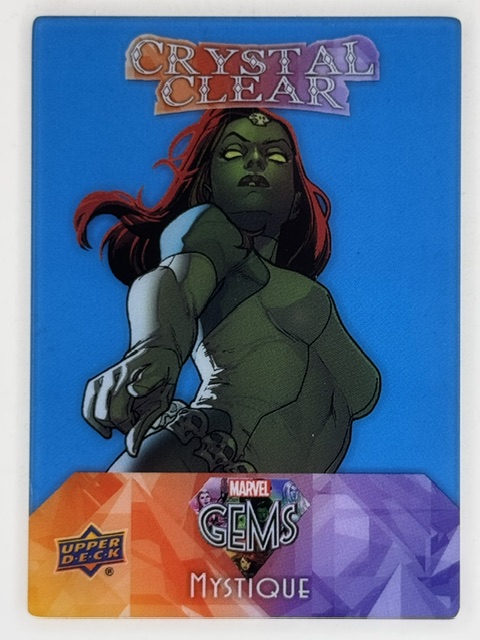
The first and most straightforward example of plastic use in cards is, rather obviously, plastic cards. These range from flexible plastic cards that are slightly thinner than standard cardboard cards to thick acrylic cards of similar material, thickness, and rigidity to acrylic keychains.
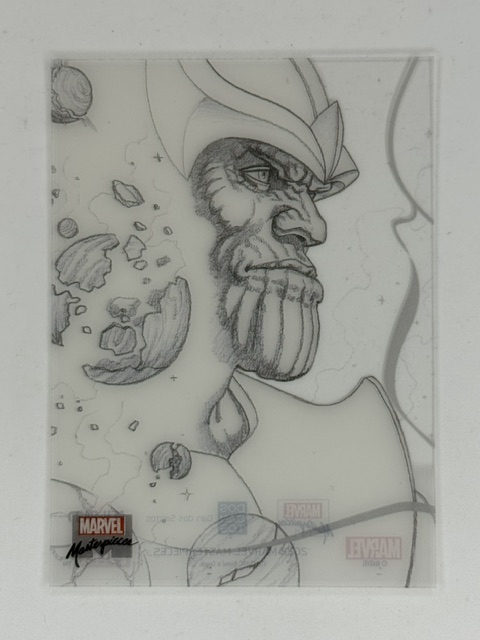
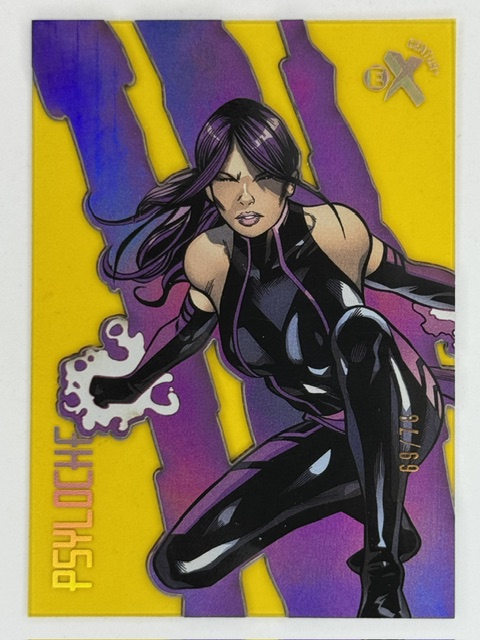
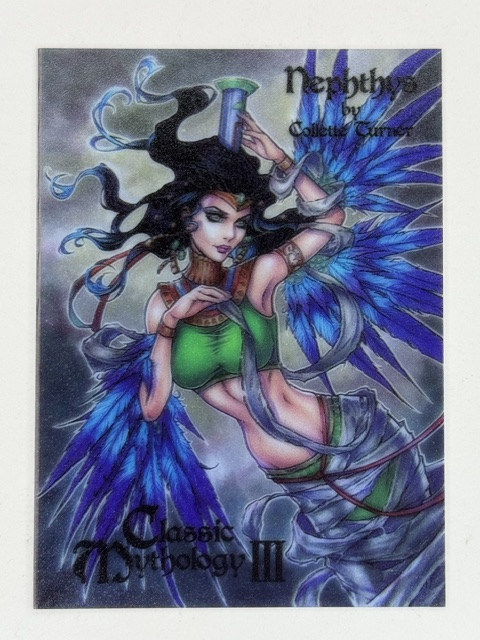
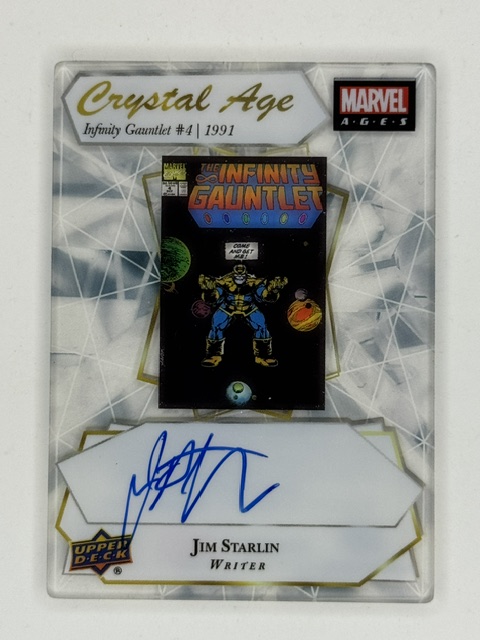
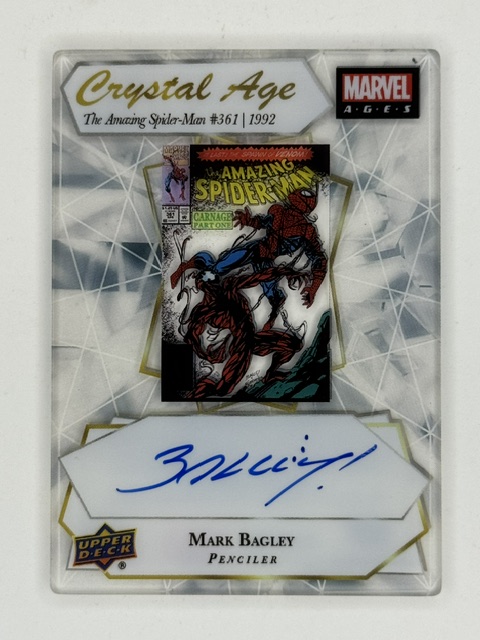
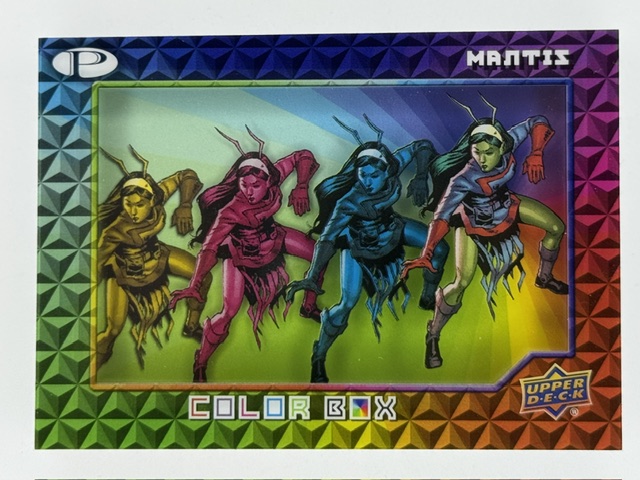
There is wide variety in the amount of image put on these and the level of opacity. It varies from a normal card image that has just a touch of transparency to it and sometimes a slight clear border around the edge to cards with a large amount of clear space in the background.
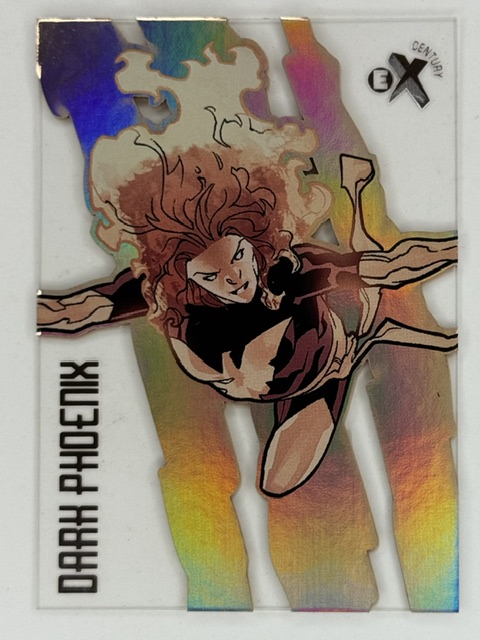
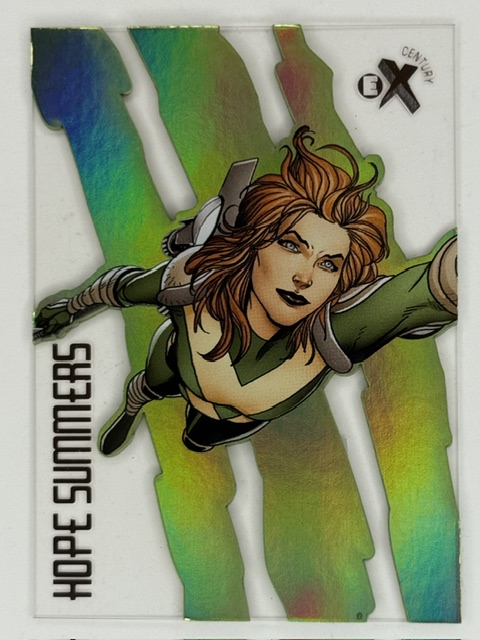
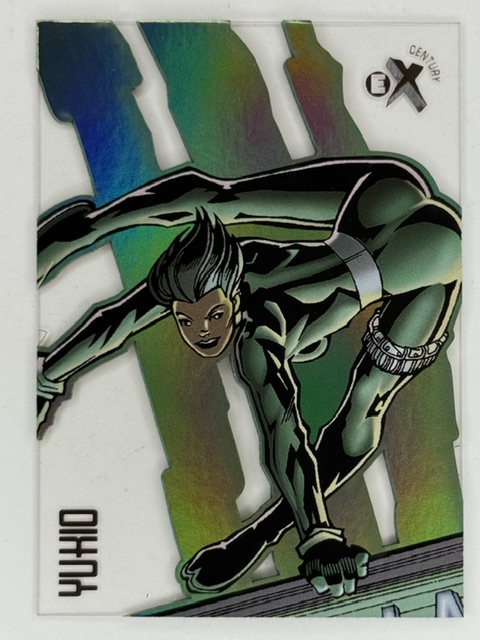
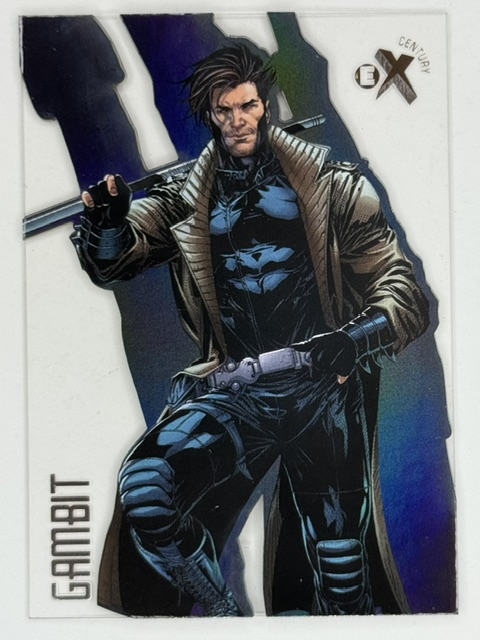
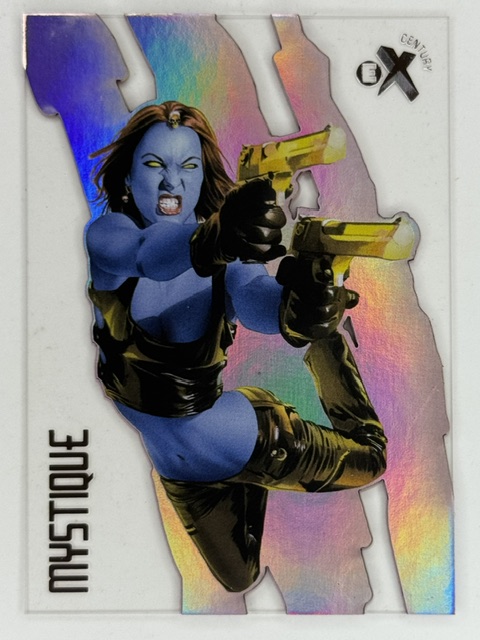
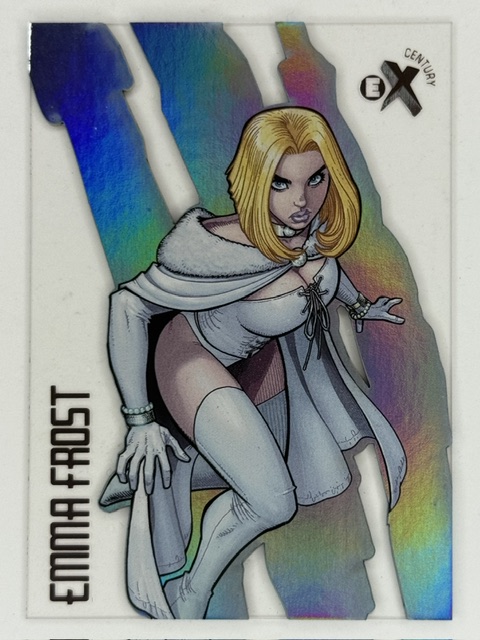
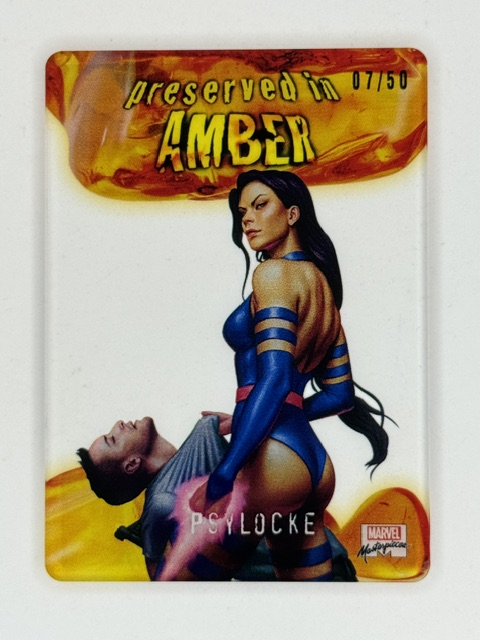
There are a lot of creative ways to use transparency in these types of cards. Subsets like Century EX and Preserved in Amber make good use of the clear background as negative space to accentuate design elements.
Those subsets and others also play with also having alternate versions that are similar in material and design but replace the clear plastic background with mostly opaque solid colors.
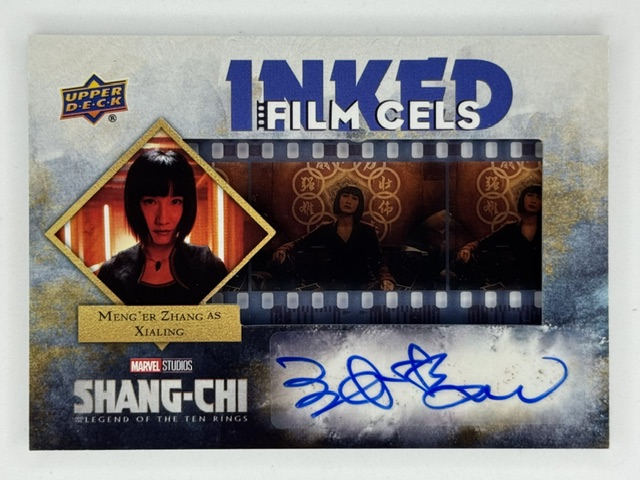
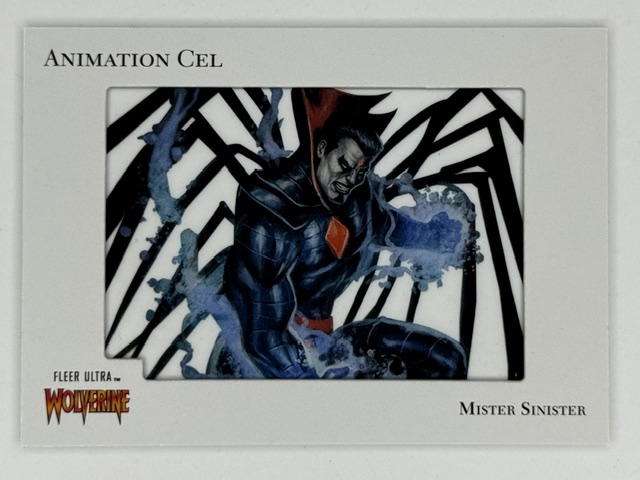
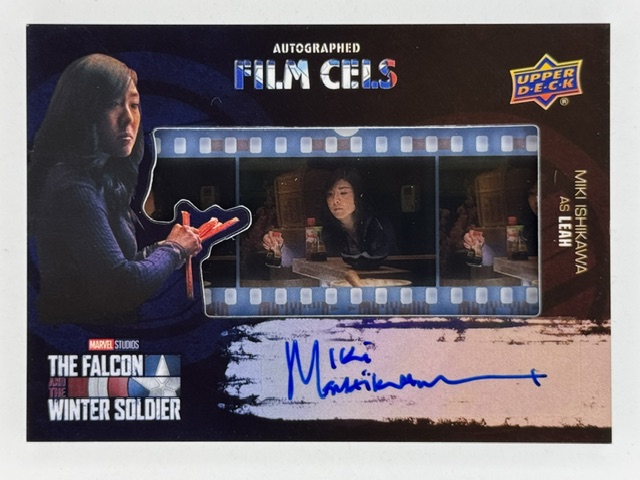
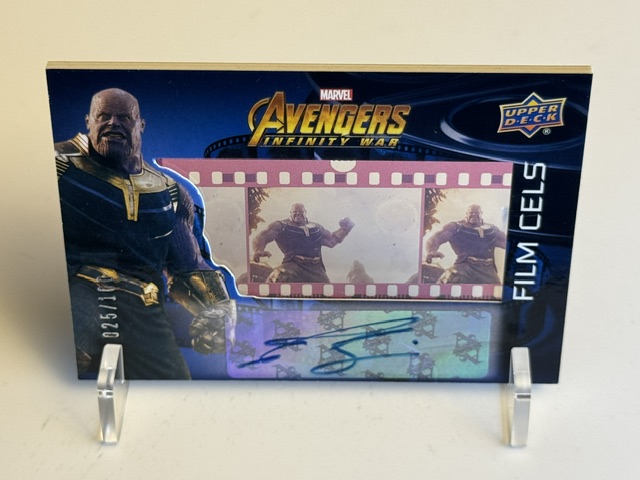
Another major use of plastic/clear elements in tradings cards are as embedded parts of cardboard cards. This is often done with memorabilia such as pieces of film cels, where a card will be printed with an image of a character and then an associated film cel of the same person/character spotlighted in a cutout near the middle of the card.
Alternatively the film or animation cel itself might be the entire focus of the card, with just enough border around it to anchor it and make it a card.
Cel cards are a favorite of mine when it comes to card sets based on live action films and animated series.
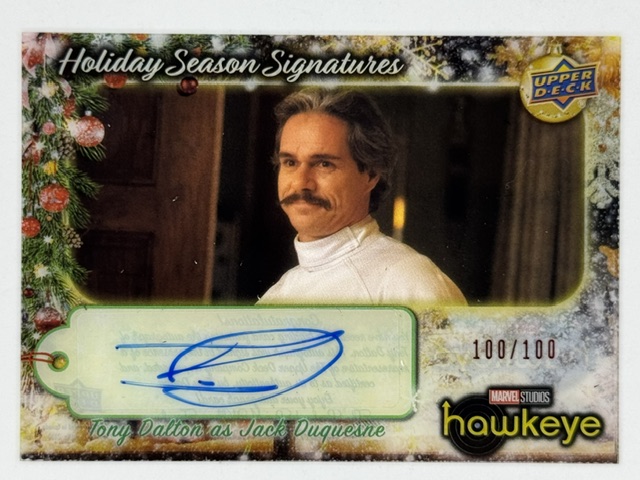
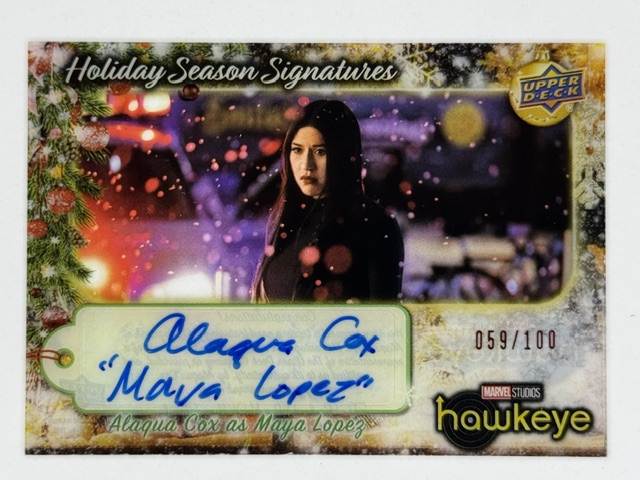
Cards that play a bit with their levels of opacity can be particularly cool. I really like the Holiday Seasons Signatures subset from Upper Deck’s Hawkeye set, which show a fully printed scene and pretty much appear completely opaque when against a background but have nice transparency and let a good amount of light through when held up.

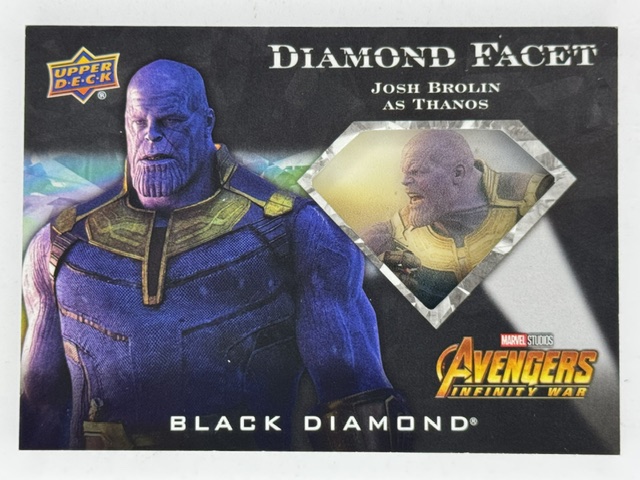
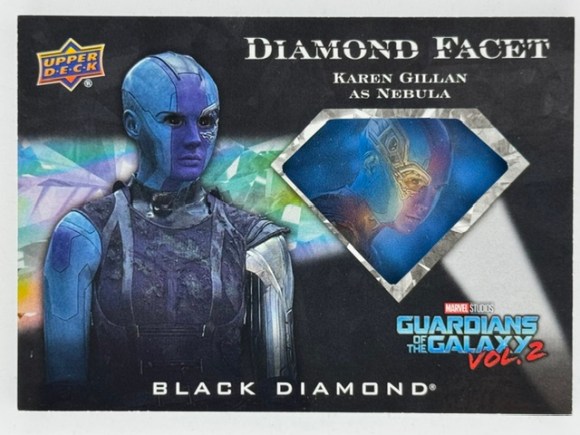
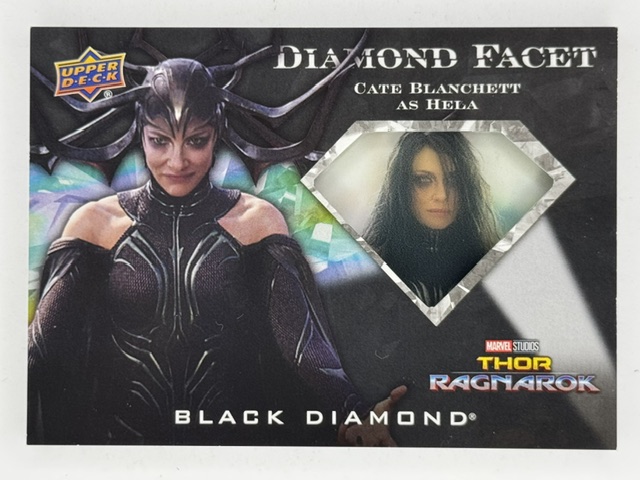
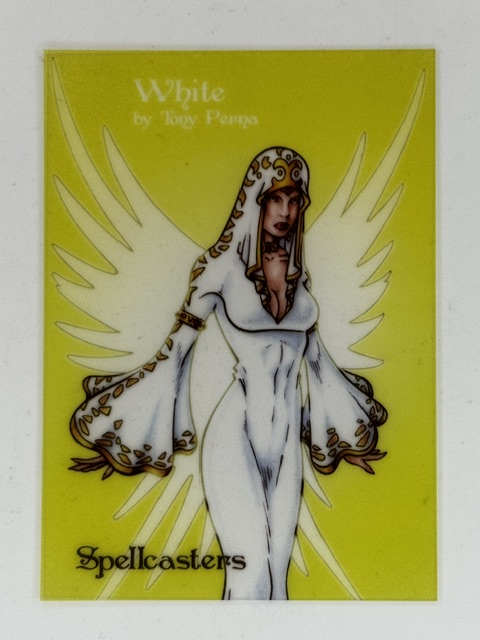
Some Perna Studios’ sets have featured plastic chase cards that are wonderfully saturated with their vibrant images and are very clearly semi transparent in any environment except against a white background, when they look and photograph like “normal” opaque cards.
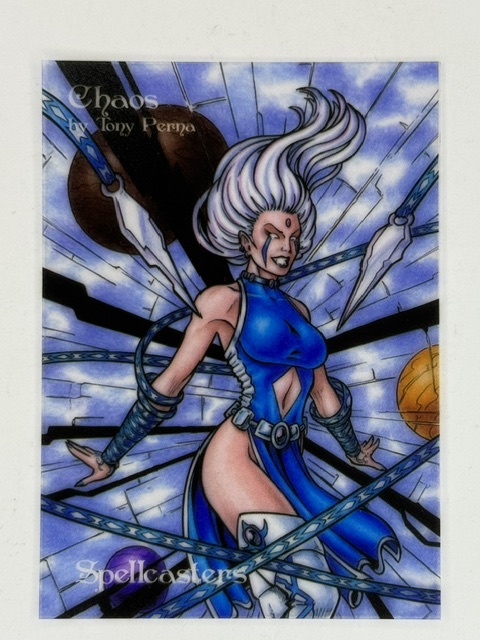
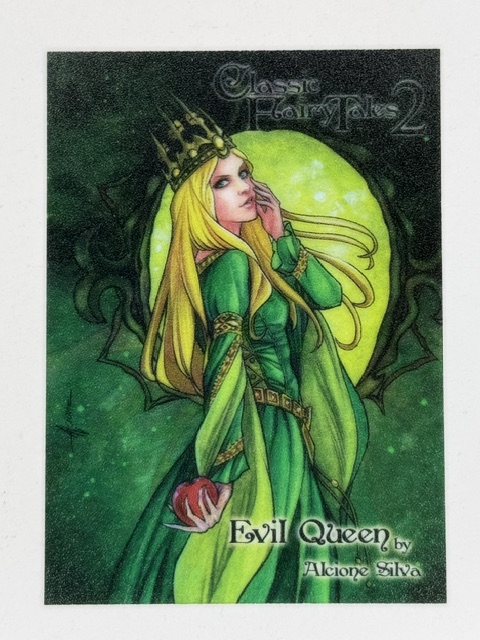
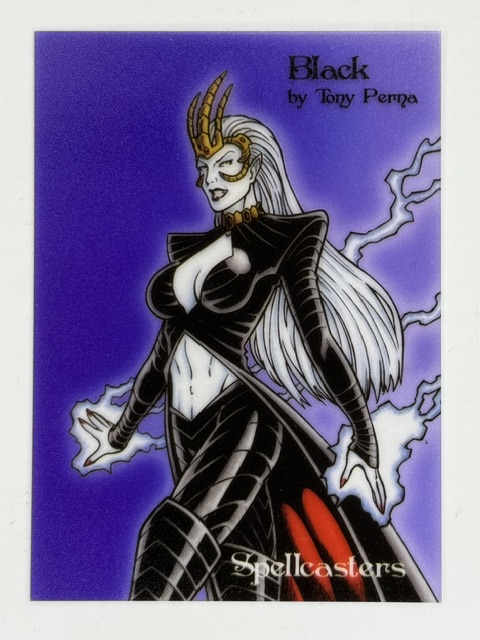
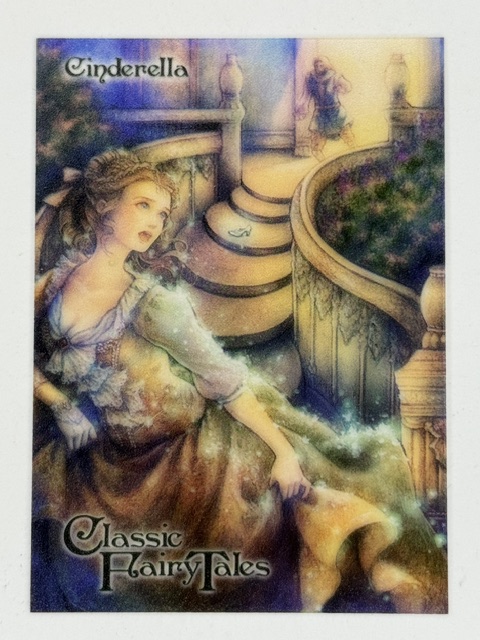

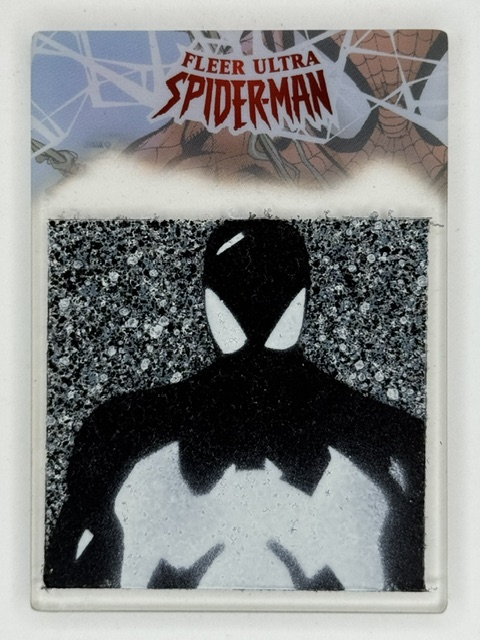
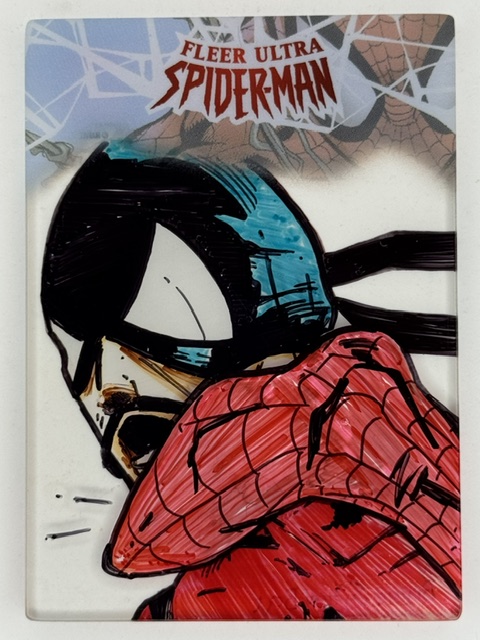
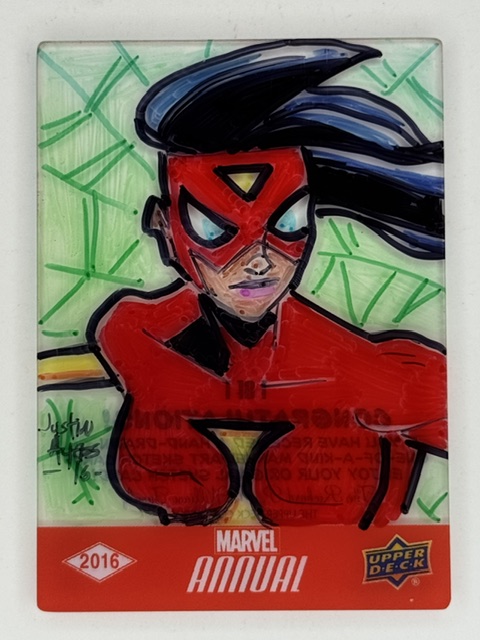
While quite unusual compared to some of the other cards I’ve mentioned, there are occasionally sketch cards done on plastic/clear cards. The materials that will work for direct drawing on plastic are much more limited than what will work on cardboard, so artists generally work primarily with markers and have to get creative within the limitations of the medium.
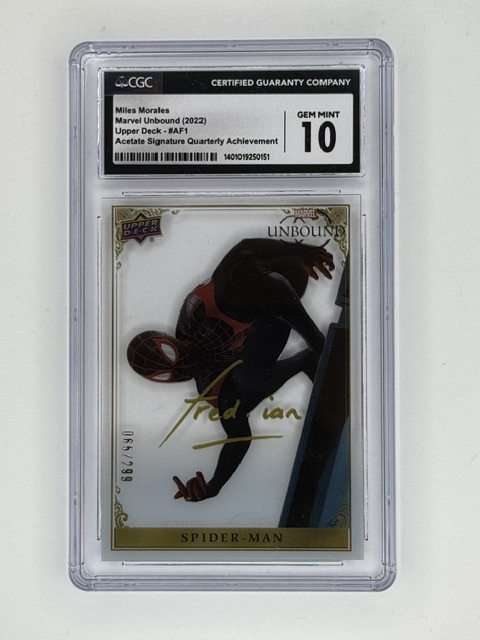
Plastic is extremely versatile for card use and pops up in all sorts of ways to accent and highlight subsets, special achievement cards, etc. These cards can have most of the same type of variants cardboard cards can have, and as shown a number of times in this post autographs are a somewhat common one and can be worked into a lot of these designs quite nicely. As usual autographs can be by creators, artists, pictured actors/actresses, and so on.
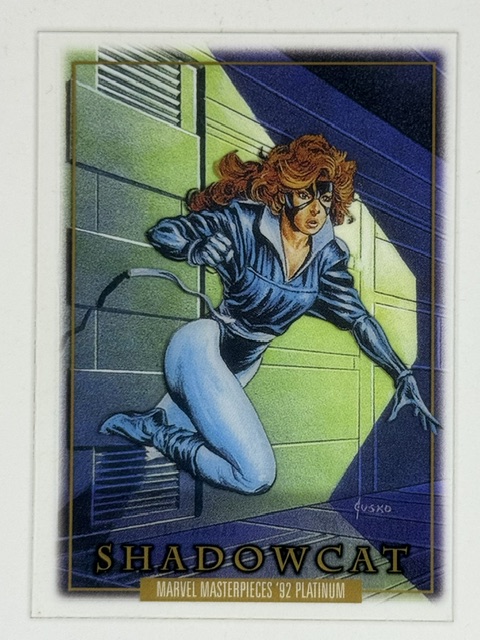
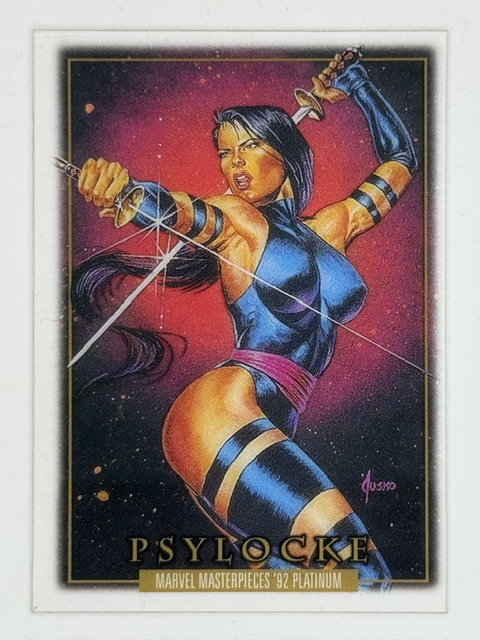
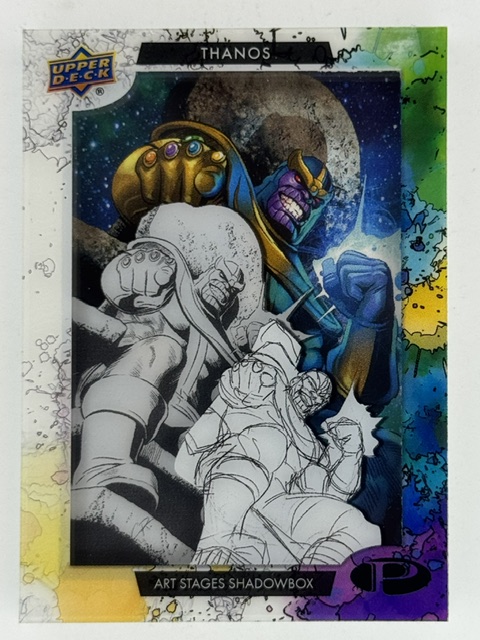
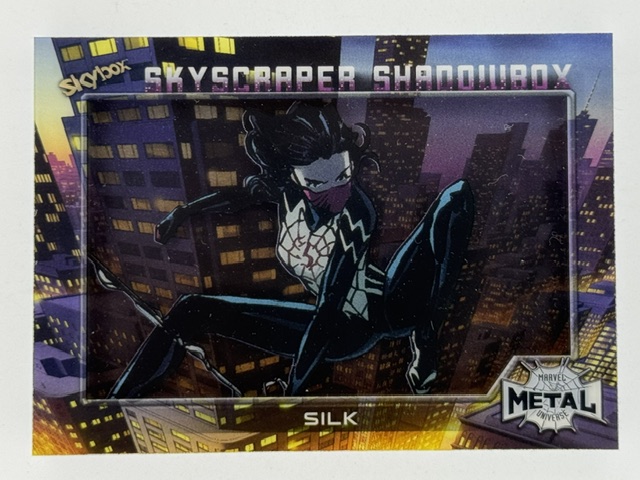
There are some plastic cards without the transparent aspect of the above cards. Shadowboxes are a common one: thick cards that have clear layers with different pieces of the intended image adding depth to the overall visual of the card. The back for these is generally cardboard and a solid image. There’s a ton of room for creativity in both concept and execution for these types of cards.

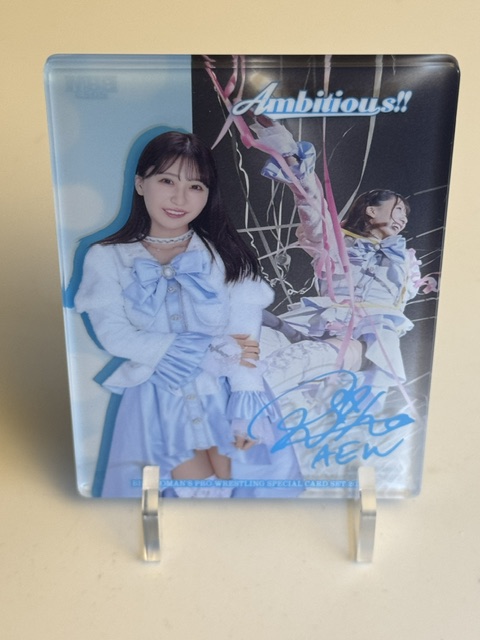
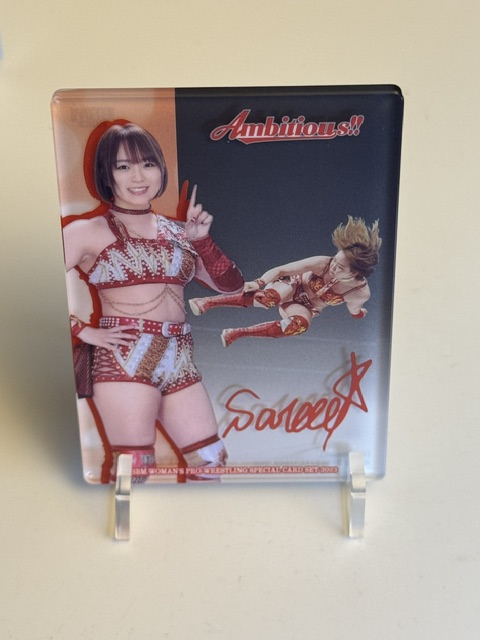
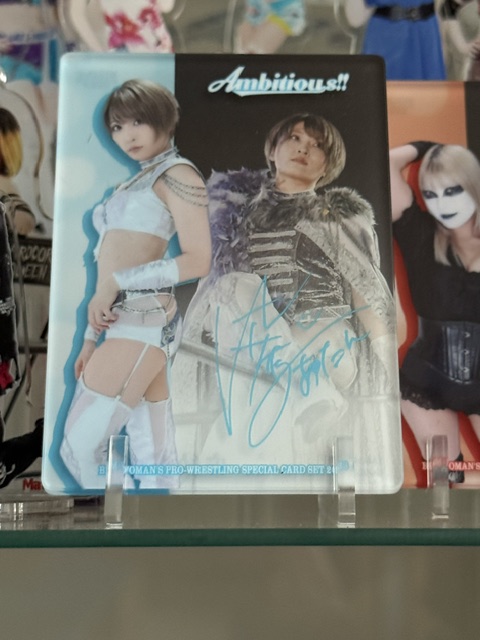
And of course sometimes there are plastic cards that have no intended transparency. The acrylic cards in BBM’s Ambitious 2023 set are a great example, with the thick plastic composition and printing on both the front and back of the card adding depth while the image is entirely solid as it would be for a normal cardboard card.
BBM leaned into the the conceptual connection these have with acrylic standees and keychains that are common wrestling merchandise and included small display stand pieces with each card.
So that’s it for now and thanks for following along with this look at some of the different ways plastic is used in trading cards.
Best of luck with wherever your personal collecting tendencies take you.
Thanks to everyone who’s given this a read. Derailments of Thought currently updates sporadically as I am able.
If you enjoy the blog any support is appreciated, including shares on social media and simply continuing to read. If you happened to be inclined and able to help out monetarily please see my Ko-fi page. Every little bit helps.

