Categories
Japan Wrestling

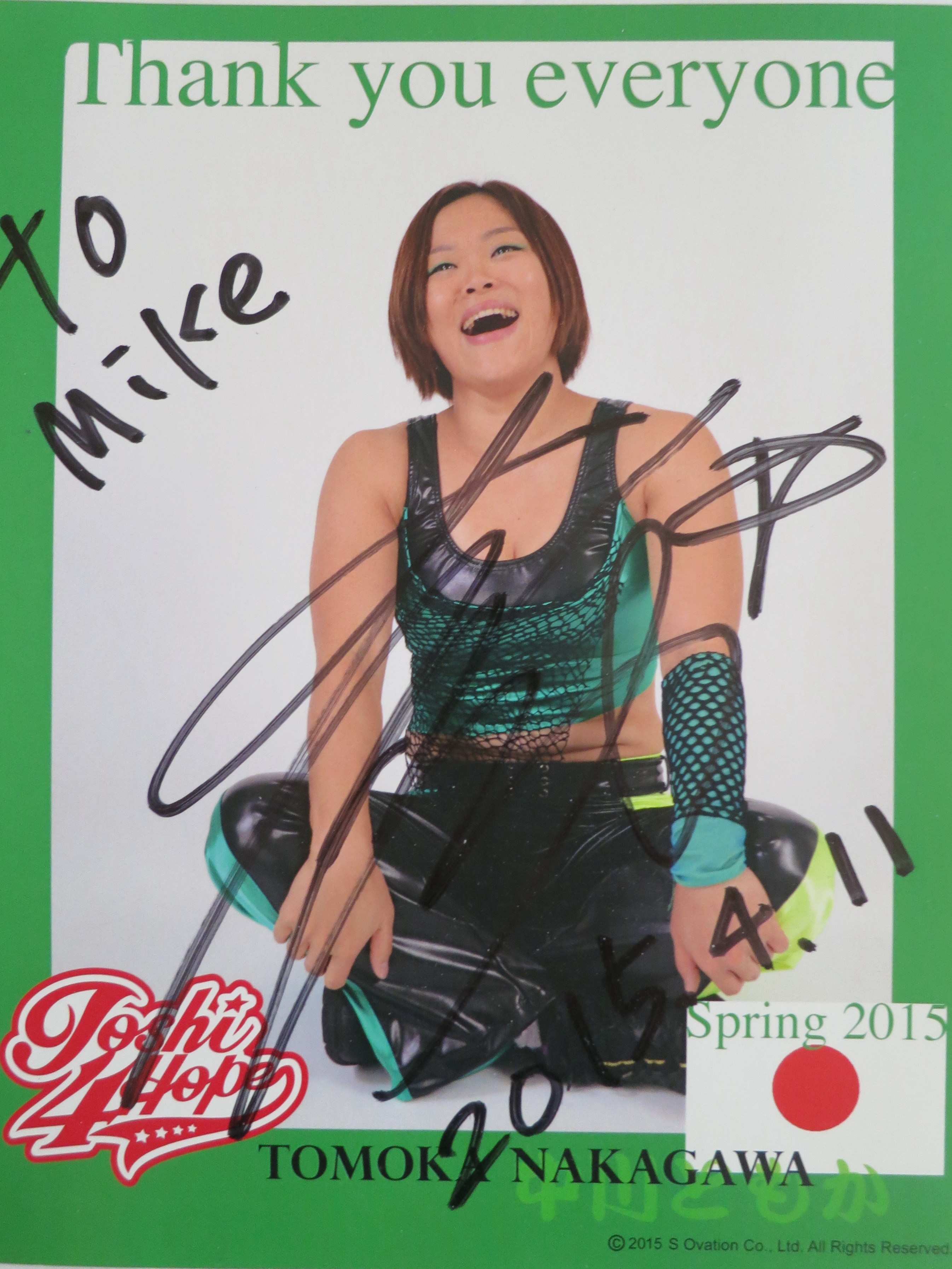
Farewell Tomoka: A fan’s personal look back on a great career

IMG_2042
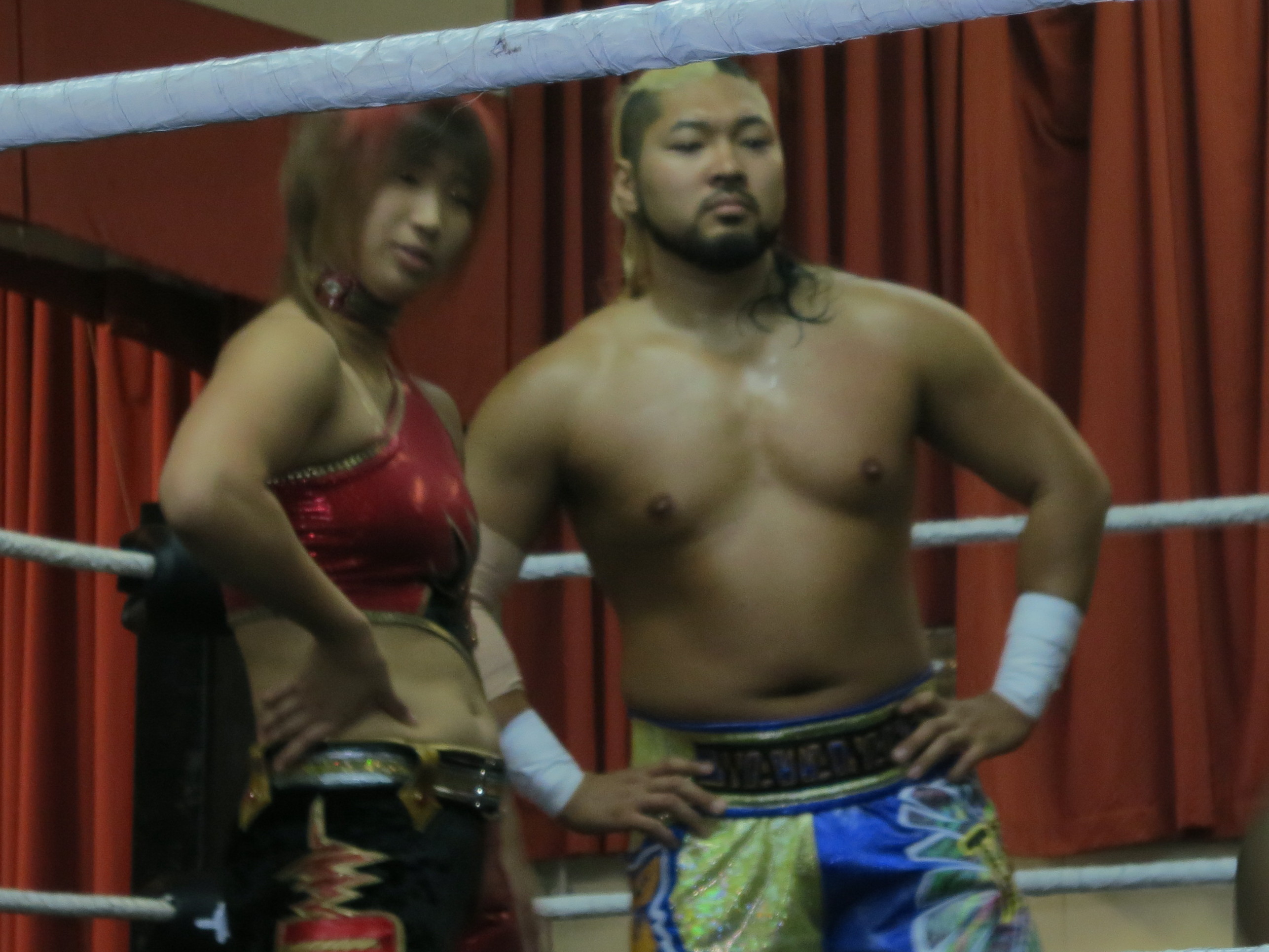
Tomoka Nakagawa and Aja Kong after Nakagawa’s penultimate match.

Although she was nearly a six year veteran at the time, Tomoka Nakagawa’s Shimmer debut on Volume 29 (in April 2010) was the first exposure I had to her work. Joining Nakagawa in the first appearance of joshi talent in Shimmer were Ayumi Kurihara, Misaki Ohata, and Hiroyo Matsumoto. She was impressive in a losing effort against Kurihara in her debut, and stood out a bit extra due to being the only heel of the four.

Nakagawa would become a familiar and important cornerstone in Shimmer, missing only one weekend of tapings from her debut until her retirement. The first three years continued to feature her heel persona, with her general mannerisms and penchant for spitting water in her opponent’s eyes antagonizing the crowd at every opportunity. It was highlighted by a short tag-title reign with partner Daizee Haze in 2011.

On April 6, 2013 Shimmer came to New Jersey during Wrestlemania weekend for Volume 53. It was my first live Shimmer show, and first opportunity to see Nakagawa (and many others) in person. Even more luckily for me, something that would prove very important happened at the last show of the previous tapings: Tomoka Nakagawa and Kellie Skater formed a tag-team, the Global Green Gangsters (3G).

IMG_2189_trim
3G t-shirt by ShuperCousin Designs and signed by Nakagawa and Skater.

Skater was recently “reformed” and constantly trying to show her new partner that they didn’t need to resort to cheating to win. The dynamic was incredible and 3G immediately had the crowd on board cheering for Nakagawa to “change her ways.” The four way tag-title match from Volume 53 only gave a glimpse of what they were capable of, but the end made it clear we’d be seeing more of 3G in the title picture. One week later 3G would win the titles at the end of the tapings in a wild no-DQ match against cowardly reigning champions the Canadian Ninjas.

I attended my first set of Shimmer tapings in Berwyn the following spring, and the love for 3G as conquering heroes was off the charts. Their struggle, along with Skater and Nakagawa’s fantastic chemistry and charisma, made them two of the most beloved wrestlers on the roster, and their matches were generally highlights of every card. The support for Nakagawa was particularly apparent during her singles match against Saraya Knight on Volume 63, where the crowd’s cheers for her were deafening.  Another amazing live experience was the end of the fall 2014 tapings, featuring 3G, Madison Eagles and Jessica Havok against the Canadian Ninjas and the Kimber Bombs in a no-DQ, no-countout war that spilled through the crowd and all over the venue.

Nakagawa announced her retirement in late 2014, and wrestled her final match in Japan on December 4, 2014. Given the success she enjoyed abroad and what Shimmer meant to her, she chose to do one last US tour and have the last matches of her career in Berwyn the following April.

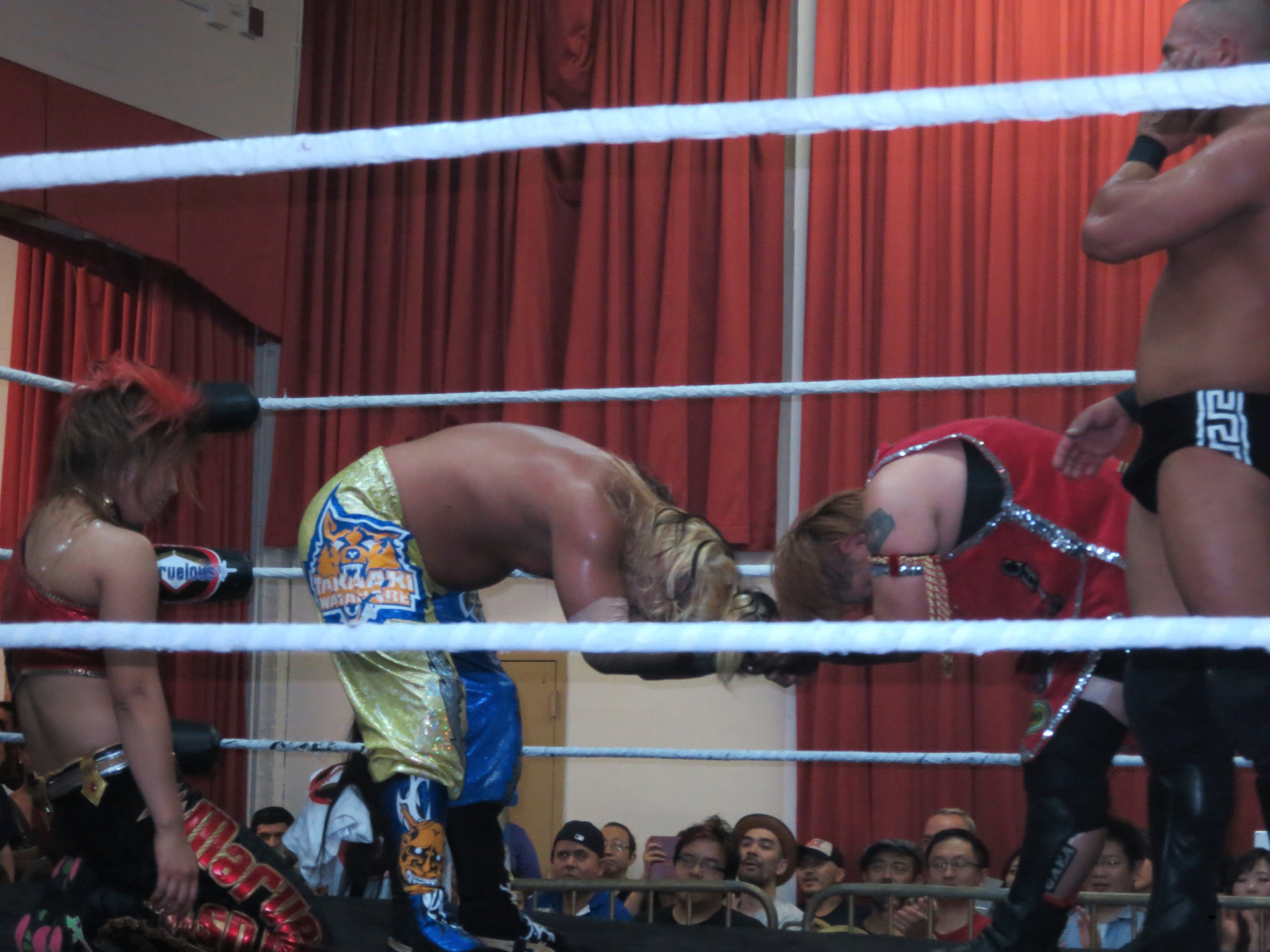
Being there live was an honor I can’t properly describe. From the surprise appearances of Aja Kong and Dynamite Kansai to Dave Prazak handling the introductions for one last 3G vs Canadian Ninjas match to the closing retirement celebration the weekend was a bittersweet roller coaster ride of emotions and excitement.

On June 7 at an Oz Academy show in Tokyo Tomoka Nakagawa received a ten bell salute, official ending her ten year wrestling career.

IMG_2473

Thanks for the incredible matches and all those years spent entertaining us. Best of luck in your retirement. You will be missed.

Categories
Board Games Reviews

A work of art in its own right.

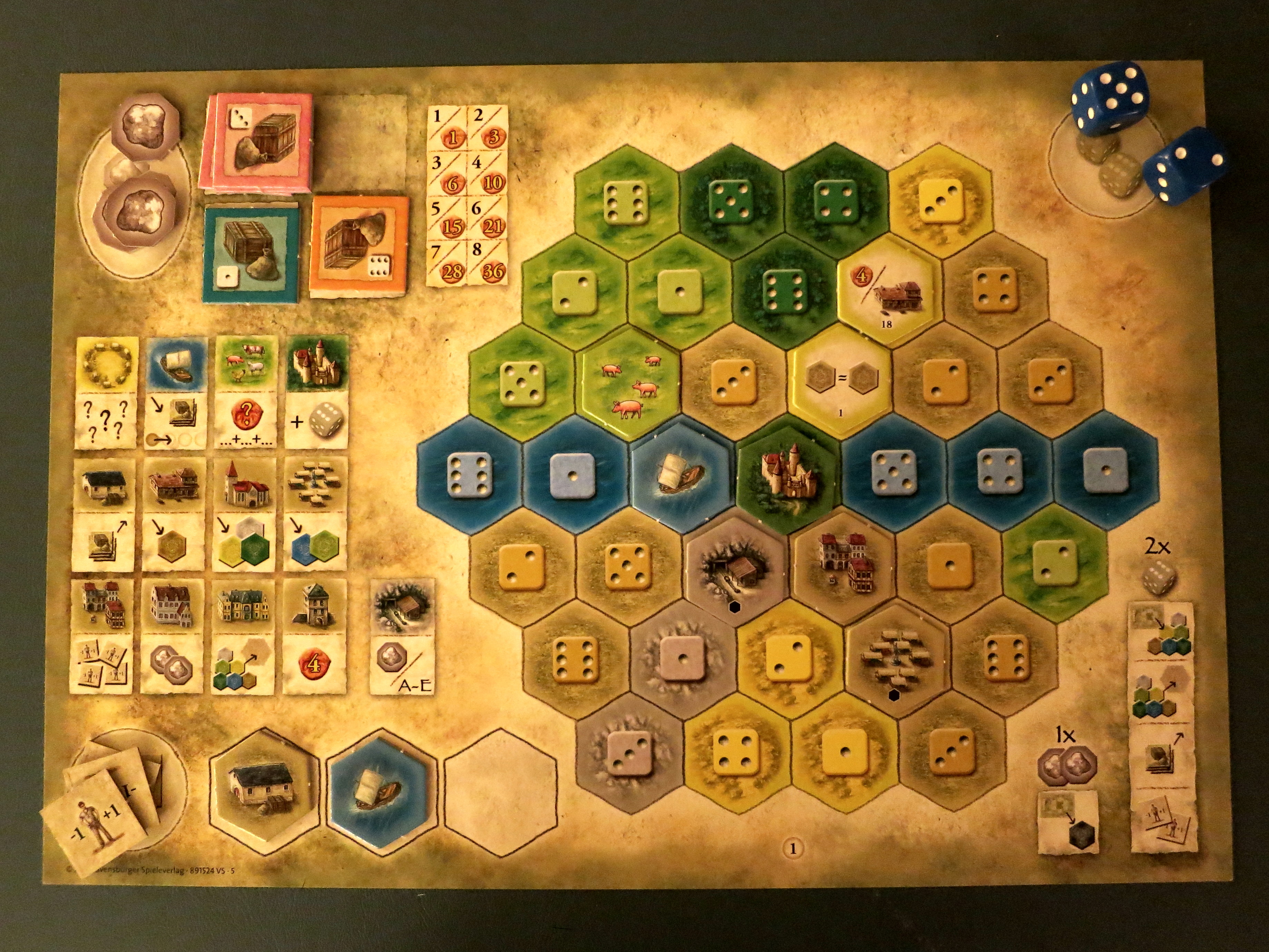
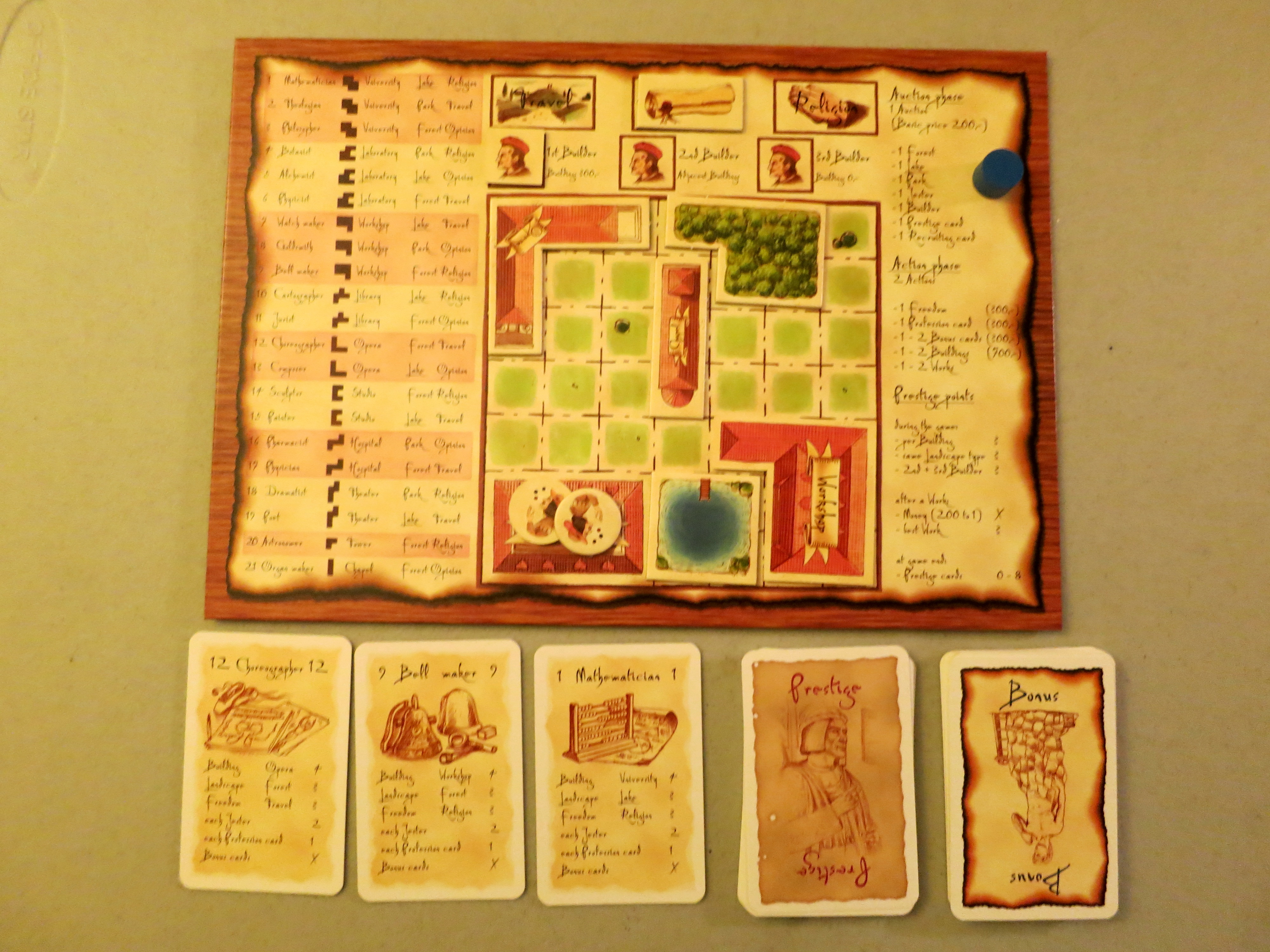
Princes of Florence is a “Eurogame” played in seven round for 3-5 players that centers around the theme of supporting artisans during the Renaissance. It combines bidding, resource management and other common elements into a unique, wonderful strategic game. It has long been my favorite and I find it holds up beautifully years after I first played.

IMG_2470

It can seem a bit overwhelming at first. There are a lot of components and rules and it is necessary to give new players some instruction before beginning. Once that’s done and the game begins, however, most find it easy to pick up. Getting a feel for strategy and planning will likely take a few games.

Gameplay
The goal is to have the most prestige points (victory points) by the end of the game. The primary method of scoring prestige points is by playing one of the 23 artisan cards to complete a “work.” The value of the work will depend on whether or not you have things in your principality (play area) that inspire the artisan. For example, playing a Mathematician is worth more if you have a University.

Each artisan prefers 1 of 10 available buildings, 1 of 3 available landscapes and 1 of 3 available freedoms. Balancing which of these, and of other benefits and modifiers, you acquire is the key to victory. There are also placement and monetary restrictions to consider.

I won’t get into to too much more detail, but the structure of each round is another key to the game and warrants discussion.

Each round has two phases:
1) Auction phase: Seven things (the three landscapes, jesters, builders, cards worth extra prestige at the end of the game and cards that let you use previously used artisans) are ONLY available via auction. Bidding always starts at 200 florin and increases in increments of exactly 100 until all players pass. The last bidder now gets their choice of anything that hasn’t been already claimed that round. This continues until every player has obtain exactly one auctionable item. The bidding element combined with only being able to obtain one of these things per round adds great layers of balance and strategy to the game.

2) Action phase: Each player takes up to two actions. You can buy a freedom, buy a new artisan, buy a card to add bonus value when you complete a work, buy a building, or complete a work. Careful use of your two actions, management of available cash and exploiting what you acquired during the auction will pay off greatly.

The game comes with two player rule modifications and a packed in expansion of six special character cards. These give special abilities (such as getting a free auction item) and are auctioned off in a special phase at different points in the game. I enjoy the base game so much (and never have just two people for gaming) that we have never tried either of these modifications, so I can’t comment on it’s execution or balance.

The individual player game boards and other game components are all of good quality and hold up well over time.
IMG_2471
Overall
Princes of Florence has a lot going on but it is all wonderfully constructed and well balanced. I adore the way everything comes together. Even the auction element, which I generally dislike in games, is incorporated perfectly and adds strategy without slowing things down. There are several viable ways to enhance your chances of completing works and scoring points, and the availability of things based on your opponent’s action makes every game different.

While I wouldn’t use it to introduce people to Eurogames, Princes of Florence is easily my personal favorite and I’d highly recommend it for any Eurogamer’s closet.

Categories
Reviews Video Games

An empty house full of atmosphere

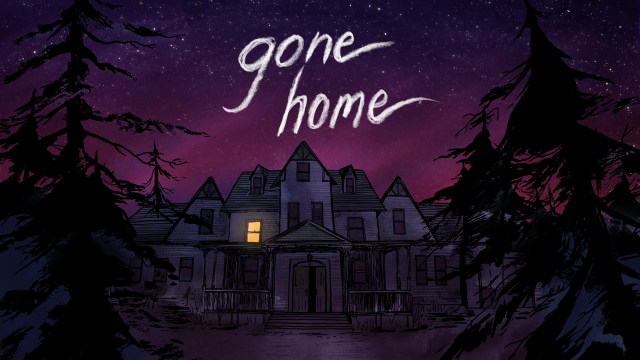
Gone Home is a first-person adventure game with the player taking the role of Kaitlin Greenbriar, a college student who comes back after a year abroad to find an empty house. In the middle of a stormy night Kaitlin searches for clues as to why her parents and younger sister aren’t home.


While critical reception of Gone Home has been largely positive, the game is quite polarizing in several respects. The length and price are two of the most often quoted negatives, as the game takes 2-3 hours to finish and retails for $20. As an adventure game there is also an automatic perceived zero replay value for most players, furthering the impact of the previous two points.

There are also diverse opinions on how much of an “actual game” it is. Gone Home is completely exploration driven and story based. If you are a gamer that sees a difference between a “game” and an “experience” this is the latter.

With the warnings out of the way (to hopefully give those who will automatically not enjoy the game enough information to determine Gone Home is not for them), let’s talk about why I personally loved it and wasn’t bothered by the “negatives” above.

Gone Home is an interesting experiment in storytelling, and I think it works beautifully. The fate of Kaitlin’s sister Sam, who has left am ominous note on the front door asking Kaitlin not to look for her, is the central mystery and Sam narrates journal entries as Kaitlin explores the house. The story comes together through these narrations and information from notes, books, receipts, observations, etc as we go through the house. The atmosphere created is incredible. Things unfold naturally but still manage surprises.

There is a lot to learn about the year Kaitlin’s been abroad and the house her family moved into shortly after she left. The “gameplay” here is not about action or even puzzles, the backbone of most adventure titles. The engagement aspect of the game is in seeking out all the little clues and slowly forming a picture of what’s going on. This is a subtle kind of mystery, where the game’s draw are the moments of realization as you figure out the next twist or what something you saw earlier meant.

Since the entire point of the game is piecing things together as Kaitlin explores the empty house I am going to avoid plot specifics, but all of the family members’ stories have quite a bit of depth. Including Kaitlin’s – in a wonderful touch you’ll find postcards she sent home that can be read to find out more about your protagonist’s time in Europe.

Little things like that are what really made Gone Home shine for me. Information is rationed such that conclusions can be drawn without finding everything, but the complete stories are there in their entireties if you search hard enough and pay attention. In some cases a key letter or piece of scrap adds new context to what you thought you knew.

It’s all wonderfully constructed and one of the reasons I don’t hold to the theory that mysteries or adventure games automatically have no replay value. I’m certain I missed some things, particularly relating to the parents, on my first play. So I have more to unravel next time. Also, while the game won’t be the same knowing where it’s going to end up, that’s kind of the point for me. All the clues, hints and other little nuances will mean a lot more to me during the second pass.

Add it all up and I thoroughly enjoyed Gone Home. It’s definitely aimed more towards the “games as art” crowd but if you can take it for what it is there’s a lot to like. Overall I feel it was well worth my $20, “short” or not.

Categories
Film Japan

Japan Cuts 2015 Retrospective part 3

Earlier this week I shared thoughts on the 6 movies I saw during Japan Society’s annual Japan Cuts Film Festival for 2015. For this last entry about the festival I’m focusing on the other event I attended: the Experimental Spotlight.

Mono No Aware x [+]

This event was interesting in that in some sense it began several weeks before the festival started. On June 21 Mono No Aware and the Japan Society presented a workshop in which 20 participants created (very) short films using direct filmmaking techniques to manipulate 16mm “found footage” of documentaries about Japan. The films produced in this workshop opened the program, and were interesting in their variety and approaches despite using the same techniques, and in showing what can be done in such a short period of time.

The remainder of the program was even more fascinating in its diversity. RELAY presented an incredibly unique moving image view of an even more unique subject in the form of artist Ei Wada playing music on repurposed television sets. The imaginative Koropokkuru used puppetry and other techniques to convey Japanese folklore through manipulation of inanimate objects. Emblem manipulated the conversion of video to film to create a narrative out out of research footage. Louis Armstrong Obon played with pacing and atmosphere rather than visuals or technique, presenting almost a documentary style feature with great atmosphere and impact. sound of a million insects, light of a thousand stars was mesmerizing to watch, and became even more intriguing when the method behind the film was revealed at the end.

Varying manipulations of light were featured in the remaining 3 films. Stella Nova conveyed the life of a star through constant colorful manipulations and explosions, Emaki/Light was a dance of abstract black and white images produced by direct drawing on film pairing with harsh sporadic piano notes, and UB HOUSE Experience in Material No.52 was a brilliant and creepy presentation of moving shadows and bursts of light.

While I’ll admit some of the pieces seemed longer than they needed to be, everything was interesting and at least in some part captivating. The contrast of all the chosen shorts and topics covered really made this shine. This spotlight is a welcome addition to Japan Cuts and I hope we’ll see more of it next year.

——-

And that concludes my experience at Japan Cuts 2015. I had a wonderful time and hope to attend even more of it next year. I encourage anyone who’s even remotely interested to check it out in 2016 as well as the other events Japan Society’s Film Program has in between.

Categories
Reviews Wrestling

Evolve 45 ippv Review

July 10 2015 in Ybor City, FL

Evolve had major booking issues to overcome as they lost two upper level stars (Biff Busick and Davey Richards) to injury just days before this show. The entire card got shuffled around to make up for their absences, and “hotshotting” of big matches that were previously being saved for future shows was promised.

Opening interview: The Premier Athlete Brand comes to the ring, including Trent Barreta’s return to Evolve after over a year. So-Cal Val sings their praises and riles up the crowd, but is interrupted by Gary Jay who wants his long awaited opportunity now.

Match 1 – Gary Jay vs FIP Champ Caleb Konley (non-title): ***

Good match with Jay showcasing some dives to the outside and impressive strikes in between being beaten down by Konely.  PAB of course get involved, but it wasn’t overwhelming. Konley reverses a superplex attempt into a faceplant then hits a double jump moonsault to finish. Gary Jay with a strong showing making the most of getting on the card due to the aforementioned injuries. Would be nice to see him return.

More gloating from Val, and here comes Rich Swann. He has a lot of history with Nese and Konley (including having lost the FIP title to Konley), but tonight he’s here to settle unfinished business with someone else…

Match 2 – Trent Barreta vs Rich Swann: ***1/2

Back and forth match with Swann playing the beloved babyface to perfection and Barreta doing his best to smother Swann at every opportunity. Insane half-nelson suplex on the apron to Swann in the middle of the match. After a crazy sequence of trading signature moves, the Dudebuster finishes. Solid return for Barreta that leaves him looking strong going into his next match with current Evolve/DGUSA champion Drew Galloway. Nice to have him back.

The PAB resume their celebration, but there’s one member left to wrestle and on cue here’s Andrew Everett.

Match 3 – Anthony Nese vs Andrew Everett: ***

I like the flow of sequential PAB matches since they’re already out, but the drawback is the PAB members wrestle so similarly 3 matches in a row is a bit much. Methodical attack from Nese with occasional athletic counters from Everett. Crowd got quite into it towards the end. Slight callback to Konley’s match, as Everett reverses a superplex attempt into a faceplant and hits a shooting star press to pin Nese. Good, but both are capable of more.

After his victory Everett goads Konley into putting the FIP title on the line in their impending match the next day. Teased dissension in the PAB but no fireworks.

And the PAB portion of our program has concluded.

Match 4 – Trevor Lee vs Chris Hero: ****

Great story with Lee going after Hero super-aggressively after coming up just short in their last encounter. Hero’s looking a bit big but still moving great in the ring and clearly in great shape conditioning-wise. Incredible strike exchanges (and think of the matches still to come in that regard). Lee’s constant countering of the piledriver played nicely on the ending to their first match. Lee’s backflip belly-to-belly is a thing of beauty. Hero with four brutal rolling elbows in a row for the win.

Hero takes exception to fan comments about Zach Sabre Jr. being better than Hero to hype a future match.

Match 5 – Zach Sabre Jr. vs Roderick Strong: ****1/2

Sabre is the proverbial hot commodity right now and there was a ton of anticipation for his return to Evolve / the states. Strong isn’t a personal favorite of mine, but he’s a solid performer that can mix it up with numerous styles and is a great opponent for Sabre. Match built beautifully, from careful (and even) counter wrestling to more intensive submission wrestling to crazy strike exchanges. Roddy of course also worked in some vicious backbreakers as well. Sabre’s wonderfully innovative offense is intense and exciting. Sabre wins with an incredibly painful looking arm submission after working the arm all match. Fantastic stuff.

Sabre brings a different kind of energy to Evolve and is a treat to watch. If possible this raised anticipation for the remainder of his matches even more.

Main event – Timothy Thatcher vs Evolve and DGUSA Champion Drew Galloway (non-title): ****

Thatcher is my favorite active wrestler. He throws out a challenge to Galloway to put the Evolve title on the line. Galloway recounts his own impromptu opportunity and the pride he has in competing, and puts BOTH titles on the line. Intense back and forth match here, with both basically just trying to beat on the other until he stays down. Wonderfully simple. Thatcher wins with a high angle Fujiwara armbar! A lot of attention has been made of Galloway’s foot being under the rope during the hold and the ref not seeing it, but Thatcher pulled him to the center before the tapout and I’ve seen many rope breaks where one wrestler doesn’t fully let go of the other before reapplying something, so this didn’t bother me at all. Result was a big surprise given the rebooking and ends with a great moment of Thatcher becoming double champion and the new “face” of WWNLive.

Overall: What a recovery in the face of adversity. The forced rebooking of the entire card didn’t hurt Evolve at all as they deliver an excellent show from top to bottom. No bad matches, several great ones, praise worthy performances from everyone and huge developments setting up future shows.

Highly recommended.

Categories
Comics Film

Onward to Civil War

Ant-Man was another thoroughly enjoyable entry in the Marvel cinematic universe. Scott Lang is a likable, engaging lead and in general Marvel’s ability to weave “second string” characters into the larger narrative and make it all compelling is quite impressive. With Captain America: Civil War coming up we’re left with several interesting questions and possibilities open.

**Warning: the remainder of this entry will contain SPOILERS for the after credits scene from Ant-Man, previous Marvel movies (including Age of Ultron) and the Civil War comic.**

The Civil War comic book story centered around a philosophical divide among heroes regarding a government mandate to register the identities of all super-powered individuals. The central figures in the conflict are Iron Man on the pro side Captain America against. All signs have pointed to a variation of this basic set up carrying over into CA: Civil War, and Cap’s mention of “the accords” in the Ant-Man post credits scene continues to support this conclusion. The scene is also very interesting as it indicates a major lingering thread from CA: Winter Soldier, Cap and Falcon tracking down Bucky, has occurred off-screen. This is likely to become more common going forward as the number of characters and story lines grow and there isn’t enough room to delve into everything in detail. It worked well here and left the bulk of the “important parts” of the plot on the table for the future.

The idea of a character who’s always trying to do the right thing deciding that doesn’t always mean playing by the rules coming to a head with another who’s know for doing his own thing who has realized the need to strive for a greater good is fantastic. With all the potential here and an established comic story to build off of, two big questions jump out at me going into CA: Civil War:

1) How will the battle lines be drawn?

This is the obvious one. With so many characters confirmed for the movie that it’s being colloquially referred to as “Avengers 2.5,” the question of which side each will take looms. Falcon, Ant-Man and Bucky seem a lock for Cap, with no real indication of Iron Man’s allies yet. I’d guess Vision and War Machine, which would create a conflict since they’re on the Cap-lead Avengers team. I see Black Widow being caught in the middle. Spider-Man sides with Stark in the comic, but he’s only in for a cameo so we might just see him in general action rather than “lining up” during the conflict. Not sure on the rest.

A side question here is how much physical conflict there will be among the heroes. I’m sure there’ll be skirmishes, but I think a pitched, focused battle directly between Cap and Iron Man could be more dramatic than a full blown battle trying to fit everyone in.

2) How close to the comic will they stick?

**SPOILER REMINDER** Ok, what I really mean here is “are they going to kill Cap and have Bucky take over?” I can see it happening, and seeds have definitely been planted both within the movies and with production hints like contract lengths. It also would be a major shake up to lead us into the next phase of Marvel movies. The biggest drawback I can see is the resulting lack of Steve Rogers Cap in Infinity War, which looks based on a story that took place long before Civil War. Still, they have a pretty good track record with tweaking details in their adaptations and ending up with excellent, logical stories that retain the fell of the original while working in the universe they’re creating. We’ll see.

So the Marvel movie machine is sill chugging along with a lot of momentum. Very excited to see what’s next and how they answer the above questions when CA: Civil War arrives next spring.

Categories
Film Japan

Japan Cuts 2015 Retrospective part 2

Yesterday I shared thoughts on 3 of the movies I saw during Japan Society’s annual Japan Cuts Film Festival for 2015: Makeup Room, Strayer’s Chronicle, and 100 Yen Love. Here’s a look at the other 3.

The Voice of Water

This movie has haunted me for days and I still don’t know quite what I think of it. A charismatic charlatan acting as head priestess of a manufactured, business-like cult starts to crack from the pressure of continued success, and things get worse from there despite her attempts to be more genuine. The carefully constructed plot progression and pacing build tension and an increasingly desperate atmosphere masterfully, but I found some of the story choices unsettling beyond what I think was needed. There’s a lot to process in every layer of the movie: the characters’ actions and their results, the motivations behind those actions, and the thematic statements and criticisms the story is making about society. Strong performances from the central cast and key supporting characters keep it all anchored. I can’t say for certain I liked it, but The Voice of Water is a powerful film that’s well worth watching for all it has to say, whether you end up agreeing or not.

The Light Shines Only There

This was my second favorite film in a festival packed with fantastic movies (just a tiny bit behind Makeup Room). It’s a love story about two thoroughly broken people reeling from unfortunate and disturbing events out of their control. All of the characters are struggling with some sort of personal demons, with varying levels of success. It’s the pitch perfect performances of everyone in the cast that keeps it all relatable and engrossing. Themes and events get quite dark and are hard to watch in parts, but it all fit the story and nothing felt out of place or gratuitous (no matter how much I wanted to yell at the screen sometimes). A unique, phenomenal film overall.

Sanchu Uprising: Voices at Dawn

The closing film of this year’s festival had been highly recommended to me, but I didn’t really know anything about it going into the screening. It centers on a farmer uprising in 1726 in the face of impossible taxes. It turns into the bloodiest such uprising in history. But the focus of the movie is more on the pressure and difficult choices of the individuals caught up in the uprising, particularly a coward who isn’t sure it’s worth the risk. Besides the interesting choice of scope and subject within the premise, Sanchu Uprising distinguishes itself with several stylistic choices unusual for its genre, including jazz touches to the soundtrack and an animated sequence.

It’s an interesting movie and while I had some doubts along the way I think it came together extremely well by the end. It wasn’t an unanimous opinion though, as several audience members had rather pointed (but valid) questions for the director during the q&a after the film about his choices. The director was thoughtful with his answers and open to criticism, which made the discussion fascinating. A perfect way to end the festival.

——-

So this completes my thoughts on the 6 films I saw during Japan Cuts. I will have one more blog entry on the festival, covering the other event I attended – the Experimental Shorts Showcase.

Categories
Film Japan

Japan Cuts 2015 Retrospective part 1

Japan Society’s annual Japan Cuts Film Festival for 2015 ran from July 9th to July 19th. It featured a wide variety of engrossing movies and was a great event overall. I attended 7 of the 29 showings, including US premiers and spotlight screenings with directors, actresses, etc as special guests to introduce their movies and participate in q&as afterwards.

Here’s a look at a few of them.

Makeup Room

An amazingly funny low budget movie about the making of a low budget movie. Set entirely in a single room, the makeup room for a porn shoot, Kei Morikawa’s minimalist endeavor takes full advantage of his experience in the industry, actual adult video actresses, and a brilliant performance from non-AV actress Aki Morita as the makeup artist to create a unique comedy with touches of authenticity and drama. The sex is always just off-screen, but the consequences of each scene bounce hilariously back to the room we’re stuck in. It’s a close call, but this was my favorite of the festival.

Strayer’s Chronicle

One of the few films this year to venture into science fiction, Strayer’s Chronicle features two groups of young adults who were experimented on as children resulting in special powers with dangerous side-effects. The premise itself isn’t terribly original, but I found the execution refreshingly different. This was not the full blown action movie a lot of the audience seemed to expect, and opinions seemed very mixed as the theater emptied. However I enjoyed it for what it was and found the foreboding atmosphere, conflicted characters and moral questions raised made up for the plot not being as tight as it could have been. This was another win for me.

100 Yen Love

Sakura Ando received the festival’s Cut Above Award for Outstanding Performance in Film directly before this screening, and it’s easy to see why. Her startling yet logical transformation from unmotivated slob to driven boxer was amazing to watch and 100% believable. There were small pieces of the plot that bothered me, but overall the movie worked wonderfully and Ando’s powerful performance more than compensated for any small missteps. The q&a after the movie with Ando was both informative and fun, as she was clearly excited to be there and her energy was contagious.

——-

I’ll continue with the rest of the films I saw later this week.

Categories
Food Japan Mystery Boxes Reviews

Japan Crate: July 2015

The mystery box phenomenon is in full swing, and one of the most intriguing ones I’ve heard of is Japan Crate, packed with an assortment of candy and snacks from Japan. I decided to try their “Premium” crate, and my first delivery was the July 2015 edition.

IMG_2417

As advertised, the crate is certainly packed with unique and varied edibles from Japan. It also includes a mini-manga that explains what each item is and has instructions for the DIY kit (both EXTREMELY useful) as well as some additional context, pictures and promotion. Cute and helpful.

July’s crate came with 12 items. I haven’t done the DIY kit, so here’s a look at the other 11:

The Excellent

IMG_2424

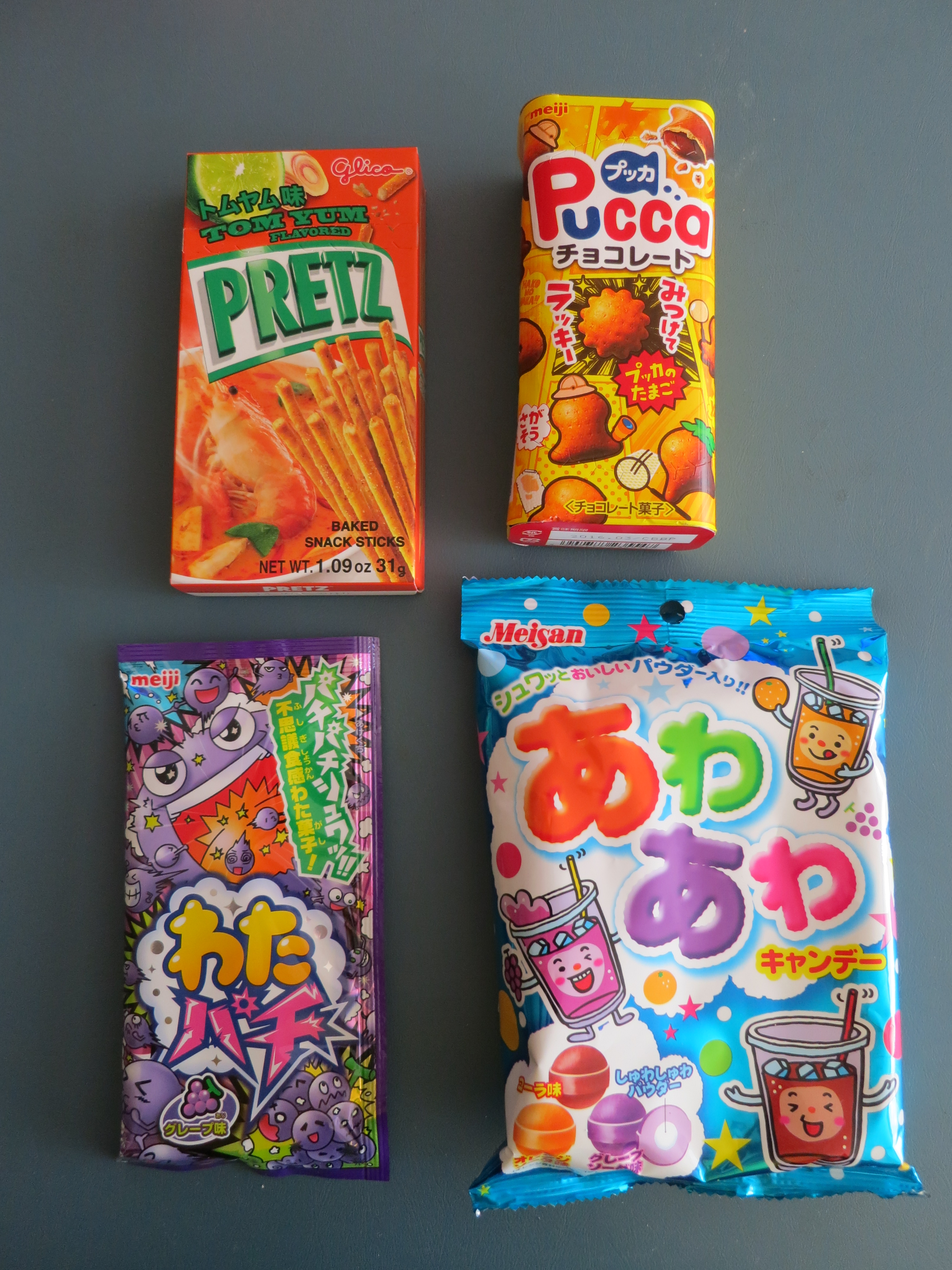
The big difference between the Original and Premium crates is the inclusion of a drink and a bonus item. This month had a “Kid’s Beer” (apple soda) and Corn Potage Chips. The drink was perhaps the most normal item in the box, and tasted as expected for apple soda. The “chips” were akin to cheese puffs in texture and actually did taste like corn soup, which still kind of boggles my mind. The other Premium exclusives were a cola-flavored taffy called Kajiri Chew and some extremely Sour Lemon Gum. These were all among my favorites in the box, so the $5 upgrade from Original was well worth it.

IMG_2421

The other things that wowed me were Choco Bar Z Kinako and Potekoro Cubes. The description said the Choco Bar Z was back by popular demand, and I can see why. It’s a wafer bar infused with chocolate flavor and tasted divine. Best of the box. The Potekoro Cubes are a savory snack flavored with black pepper. Like the corn soup puffs, I was beyond skeptical when trying these. I was wrong – they were surprisingly fantastic.

The Decent

Maken Gummy is a firm gummy candy shaped like rock, paper, or scissors. Fairly generic. Lifeguard Paste is a semi-liquid sticky candy apparently based on a soda. Tasted like mountain dew to me and the texture took getting used to. Chameleon Candy are standard hard candies that change color. The one with the red interior is supposed to be good luck.

IMG_2419

The Meh

I think I’m discovering that Japanese jelly candies aren’t for me. The Chu Grape Jelly and Adzuki Mizu Yokan (red bean snack with a gel texture) weren’t bad in quality, but neither taste nor texture were to my liking in either.

Conclusion

I didn’t like everything here, but the quality of the things I did and the overall variety gave me my money’s worth. And even the things I didn’t care for were interesting to try. Going to call this month’s Japan Crate a success and am looking forward to the next one.