Categories
Anime Film Reviews

Perfect Blue 4K Remastered Review

“There is no way illusions can come to life.”

Mima Kirigoe is about to leave being a pop idol behind, but her past might not be on board with her new life and new image…

I feel fair warning is needed to start off here. Perfect Blue is officially Not Rated, but let’s be clear it would likely be NC-17 if it were given one.

So for anyone who still equates animation with children’s cartoons: you are very much in the wrong place. It’s a medium that, like live action, can be used to tell a wide variety of stories in any genre. Perfect Blue is a full blown psychological thriller with horror elements and extremely graphic treatment of horrible situations.

It’s also easily one of the best movies I’ve ever seen, and one of my all time favorites.

And yet I’ve only watched it a handful of times over the years because of its intensity and subject matter. I adore a good psychological thriller, in part I’m sure because of the impression this left on me, but horror and gore aren’t my thing at all. The graphic nature of this film is beyond what I’m usually able to handle, but the medium, the execution, and the sheer quality of this film make it the exception.

I first saw Perfect Blue pretty close to when it was initially released, an astonishing 28 years ago now. I was still early on in being an anime fan, and it completely blew me away. I spent the majority of the movie trying to keep up and wondering what on Earth I was watching as the film broke my brain, but in the final ten minutes or so it all seems to fit together in incredible form and makes everything that came before click into place.

This was director Satoshi Kon’s first film. He had a small but impressive list of other movies plus one tv series before his unfortunate death in 2010 at the age of 46. Everything in his catalog is well worth watching, and varies wildly in genre and subject matter.

It’s been near a decade since my last watch, and the opportunity to see the remaster in a theater made this the perfect time to revisit this masterpiece and see how it held up.

Perfect Blue is a visually stunning film, and the restoration did it justice. Everything popped in the right ways and the detail put into it can be appreciated as never before. It simply looked great.

There’s a kind of stylized realism to the film, which made certain elements really stand out when that realism was pushed aside a bit both narratively and visually. Kon was willing to make some characters look unsettling and/or ugly, which adds a lot to the visual depth and overall atmosphere.

Mima’s story was every bit as gripping as when I watched it for the first time, and knowing the key reveals didn’t detract from the building tension at all. The themes of personal choice and identity, the pitfalls of fame, the commodification of celebrities, and so on still resonate.

The pacing is exquisite, as the film knows when to hold a scene for impact and to create unease. There are several times when disturbing scenes and moments are held, creating an oppressive sense of dread.

There are several sections where time is played with and scenes are intercut together. I’ve never seen the technique put to better use. Mima’s world is falling apart, and the film’s use of parallel moments and framing to convey the fragility of her reality is incredible.

It’s a minor thing but the time period specific stuff, like the main character needing to learn what the internet is and how to navigate it, was presented really well. The film doesn’t feel poorly aged because it was from a different time, as it clearly and naturally gives the viewer just enough of a frame of reference for what era it’s in.

The entire film left a mark on me and still had as much impact this time around. One particular moment, a stunning illustration of taking full advantage what can be done in animation, blew me away and is always what I think of first when I remember this movie. It’s a split second thing, but my jaw dropped again all the same when I saw it on the big screen.

This was an instant classic when it was released, and absolutely holds up near three decades later.

Perfect Blue Remastered will be playing in select theaters for about another week. Highly recommended, with a reminder warning that this is an intense, often disturbing watch.

Side note: Perfect Blue is an adaptation, and I read and reviewed the translation of the book it was based on a few years back. The short version is while the book is solid, there were some major changes made to the film that added depth and nuance and for anyone interested in this story the movie is definitely the way to go.


Thanks to everyone who’s given this a read. Derailments of Thought currently updates sporadically as I am able.

If you enjoy the blog any support is appreciated, including shares on social media and simply continuing to read. If you happened to be inclined and able to help out monetarily please see my  Ko-fi page. Every little bit helps.

Categories
Comics Film Reviews

Avengerz with a Z

SPOILER WARNING – In depth discussion of certain plot details from the Thunderbolts movie ahead. Please see my spoiler free review of it HERE instead for those who haven’t seen the movie yet.

Last chance to bail before the spoiler wall is fully breached.

With a few weeks passed since its opening and a second viewing under my belt, I wanted to revisit the Thunderbolts movie to share a few specific thoughts on its approach and execution.

Going into Thunderbolts there were a number of things I anticipated. The early movie casualty was no big surprise, both due to expected meta narrative reasons of needing to establish the stakes when such dangerous people were thrown into proximity and from a certain character’s notable absence in key trailer scenes.

But it was well executed and while the deceased character might have had some untapped potential Ghost was shown to be on the threat level of her other more well established teammates-to-be by taking out the Taskmaster. Something being predictable doesn’t necessarily take away from the impact (also I’m sure not everyone saw it coming).

“You’re not alone.”

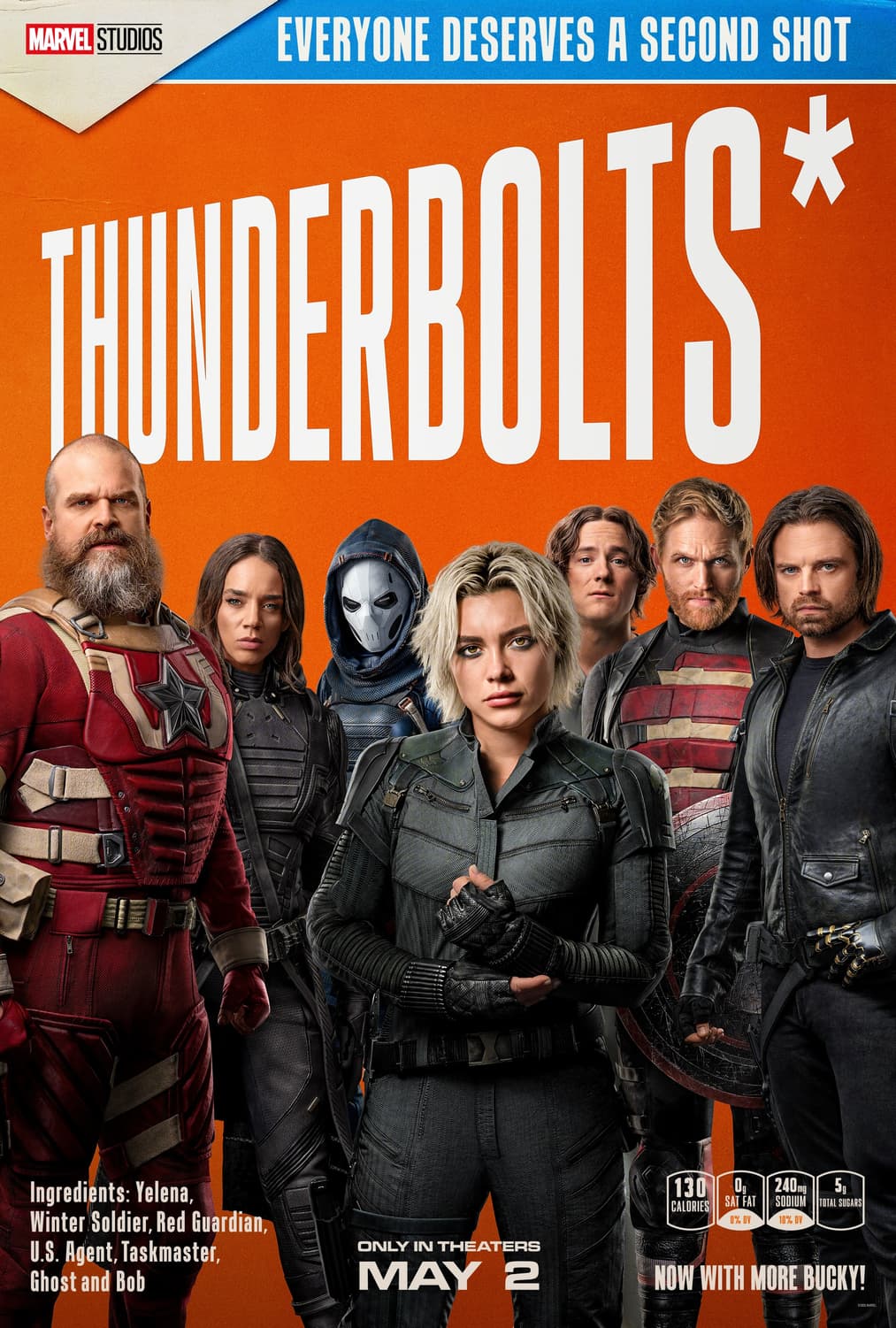
What I wasn’t expecting however were some of the most prominent undertones and themes of the film. I was ready for an action movie anchored by intersecting quests for redemption. What floored me was how it was equally about loss, depression, and dealing with the Void within (lame pun intended). The writers and actors dug into the emotional core of where each character was at this point in time in a compellingly realistic manner, and the movie shines because of it.

The entire cast, from main stars to all the supporting roles, was fantastic. Florence Plugh and Lewis Pullman in particular were incredible as Yelena and Bob. Yelena is in an extremely vulnerable mental state, which Plugh brilliantly conveys through body language, a disheveled appearance, and superb acting. Thunderbolts is both an ensemble piece and entirely her story simultaneously, and the dichotomy wouldn’t work with a lesser performance.

Bob isn’t fully aware nor in control of himself, and is constantly switching between charmingly docile and effortlessly threatening. Pullman nailed the intricacies of the role. In the pivotal establishing scene for Sentry when he first fights the team the nonchalance with which he wiped them out was terrifying.

One of the most gut wrenching scenes of the movie involves Yelena and Bob simply looking at each other as a couple of overheard sentences from a mostly obscured memory lay bare the trauma of Bob’s past. All Yelena can say is “I’m sorry,” but that simply gesture of sympathy is more than Bob had before and was desperately needed. It was impressive handling of heavy subject matter with the movie’s ultimate lesson that it’s ok and often necessary to open up to and rely on others beginning to take form.

While more connected to the external world happenings, Julia Louis-Dreyfus’s great performance as Valentina Allegra de Fontaine was also crucial. There were a surprising number of important moments that hinged on her non verbal reactions to events and information. If she’d been less than genuine in any the multitude of times the camera lingered on her close up to convey the import of developments the movie’s atmosphere would’ve been completely destroyed.

Wyatt Russell’s John Walker was both an insufferable jerk and a well meaning professional deep down. David Harbour’s Red Guardian had to be an entertaining but not obnoxious buffoon 90% of the time and still believably heartfelt and wise when it’s time to have real conversations with his daughter. And so on.

The movie had more nuance and depth than other MCU movies, contributing to it easily being one of my all time favorites.

In a great touch the post credit scene ties it all together by jumping ahead and showing a short, simple glimpse at the everyday status quo of the New Avengers. A little bit of banter shows how comfortable they’ve become with each other and sets up several threads for future movies in a lighthearted manner. Great stuff.

“We’re just disposable delinquents.”

Changing gears a bit to finish this up, I’d like to present a little history lesson. I’m about to dig into spoilers within spoilers, so consider warning given. That said the concept to be discussed is the punchline to issue #1 of a 25 plus year old comic so is certainly fair game.

Like the vast majority of MCU movies, Thunderbolts adapts elements from a number of stories and eras to present something that both honors the source material while fitting in to a new continuity. Practically nothing is a slavish, direct adaptation from any single comic.

The origin of the Thunderbolts name in the movie is a throwaway joke, but it didn’t bother me. However it came up, and however brief it was, the name felt appropriate and it’s inclusion meant something to me.

The movie draws from later incarnations of the titular team, with members from those eras. I haven’t read a lot from those versions, but the movie concept always felt more like Dark Avengers or New Avengers to me so the end twist was no real shock. But again it was done well and served as a perfect payoff to the journey our unlikely heroes went through.

Being as I was an avid reader and huge fan of the original comic by Kurt Busiek and Mark Bagley, I thought it might be interesting to highlight the difference for those who are unfamiliar. Because in a certain sense the movie skipped some steps.

The concept of the original Thunderbolts comic wasn’t about thrown together villains and anti-heroes overcoming their pasts to be better. It became that in a way, and certain incarnations over the years embodied that more, but there was a fundamental difference in their original concept.

The Thunderbolts started as a team of villains running a con. At the end of the first issue of their comic it was revealed that the new superhero team that came out of nowhere were full on bad guys pretending to be heroes under fake identities to provide cover for their schemes. They were headed up by Baron Zemo (disguised as Citizen V), whose nefarious plan slowly went up in smoke as a majority of his assembled villains decided that there might be something to the thought of being heroes for real after all.

This kind of duplicitous beginning wouldn’t have worked with the chosen movie lineup, and the direction they went made much more sense given what had come before. A bunch of adrift operatives with questionable pasts but no real malice in their motivations coming together after being betrayed allowed for the above mentioned emotional undertones to be featured in a way that wouldn’t have landed if they started as villains trying to bamboozle the public.

Zemo was rumored to be originally planned for the movie, and Daniel Brühl’s been great in his appearances, but his role would have had to be totally rethought. He’s a callback to a version of the team that this incarnation had no resemblance to, and he wouldn’t have fit particularly well with this concept. Especially with them landing as the New Avengers at the end. Given how well it all went I’m personally fine with them not trying to not trying to shoehorn him in, even if having him involved would have been a nod to the original comics.

That’s it for today’s installment of Avengers with a Z. Remember disposable delinquents, “maybe we can be the ones that are coming.”


Thanks to everyone who’s given this a read. Derailments of Thought currently updates sporadically, but more regular posts should be on the way soon.

If you enjoy the blog any support is appreciated, including shares on social media and simply continuing to read. If you happened to be inclined and able to help out monetarily please see my  Ko-fi page. Every little bit helps.

Categories
Comics Film Reviews

Justice, Like Lightning: Thunderbolts Review

So the tagline I used in the title has nothing to do with the version of the Thunderbolts in the movie. But I read the original Thunderbolts comics by Kurt Busiek and Mark Bagley as they came out so have a soft spot for the original concept and couldn’t resist the callback.

I enjoy the idea of taking secondary, often flawed characters from various stories and putting them together to see how they play off each other in general. And the entire lineup here were interesting in their previous MCU appearances with a lot of potential for fleshing out. Pretty much everyone in the movie was someone I was excited to see more of.

So I went into Thunderbolts with high levels of anticipation. I’m inclined to say it was everything I hoped for, but in actuality it was a good deal more than that.

I expected to love it, and I did. I also got the fun interactions and solid action I wanted. On top of all that though, I got a compelling, character driven story that was engaging from start to finish and made this movie an instant favorite.

No spoilers here but I had figured some things out ahead of time. Both in concept and in plot details. But there were also a couple surprises, as well as some things I expected done in unexpected ways. I really have no complaints about how anything played out.

A couple characters were a touch under utilized, but they still made the most of their roles and in an ensemble movie centered by a few key character journeys a few people were going to have to be supporting cast.

As a big comic reader going back decades I’ve been mostly at least peripherally aware of the characters we’ve seen and the big story beats in play for the previous MCU movies. The way things have been adapted to build naturally from how prior movies went nothing is ever slavish to the source material, but I often have the gist of some important points before I see the movie.

In contrast this was one of the first Marvel movies that prominently featured a character I know next to nothing about. It was interesting having no frame of reference for a change. While I can’t speak on how faithful it was to the source, I liked what the movie did with them.

There are SO many interesting implications of the end credits. Won’t say more, but I’m psyched as to where things go from here.

I ended up seeing this in 3D based on availability as to when I could see the movie. Last 3D movie for me was probably pre-pandemic. It was well done. It didn’t feel like the 3D was constantly calling attention to itself, but at the same time there were moments where the 3D made certain shots breathtaking.

Thunderbolts was fantastic. Well acted, looked great, strong plot, and on and on. If at all interested go see it as soon as you can.


Thanks to everyone who’s given this a read. 2024 was a sporadic return for this blog and I hope to sustain more regular updates going forward in 2025. Derailments of Thought currently updates once to twice a week.

If you enjoy the blog any support is appreciated, including shares on social media and simply continuing to read. If you happened to be inclined and able to help out monetarily please see my  Ko-fi page. Every little bit helps.
Categories
Film Reviews

The Day The Earth Blew Up Review

Porky and Daffy deal with an alien invasion via bubblegum. If you need to know more before deciding whether to see it the movie probably isn’t for you.

Tongue in cheek snark out of the way, this is the first ever full new animation Looney Tunes movie. The others were all either reused skits with new connecting animation or a mix of animation and live action.

If you were unaware the movie is now in theaters you aren’t alone: marketing has been practically non-existent. I was vaguely aware a Looney Tunes movie had been made that was sidelined by Warner Bros’ recent questionable business decisions, but had no idea it had been picked up and released. I stumbled onto it by accident when I happened to have an opportunity to catch a movie and pulled up the listings to see what was playing.

What a lucky break it was. I’m a big fan of classic Looney Tunes and some of the recent reimaginings and was certainly willing to give this a try.

The plot is serviceable, providing a framework for the gags and jokes and structure to support the movie’s length versus the short doses the characters usually are presented in. Porky and Daffy having grown up together and some other changes give narrative flow, and some straightforward yet weighty moral themes carry things along well.

But let’s be honest: while important the story is tertiary at best. Something like Looney Tunes lives or dies on the animation and humor. Both are more than up to par here.

The movie is gorgeous. Vivid, fluid animation (except when purposely not for comedic effect). There are some really clever moments and particularly innovative uses of animation both for aesthetics and to enhance the comedy.

The physical humor and gags were on point and it all got better and better as the movie went on (shoutout to a hilarious job hunting sequence early in the movie though). The spoken jokes were a little hit or miss, and I found the pacing off at times, but no major issues overall.

Most importantly this feels like Looney Tunes, and is a lot of fun. This was clearly made by people who not only get the essence of what Looney Tunes is, but also what it can be when pushed. It’s ridiculous because it’s supposed to be, it did what it was supposed to, and is well worth watching.

This is an excellent movie length Looney Tunes adventure, and I hope anyone who’s even potentially interested checks it out to help it overcome the stumbling blocks put in its way and give WB a reality check on the real viability of making more.


Thanks to everyone who’s given this a read. 2024 was a sporadic return for this blog and I hope to have more regular updates going forward in 2025. Derailments of Thought currently updates on Wednesday and Saturday.

If you enjoy the blog any support is appreciated, including shares on social media and simply continuing to read. If you happened to be inclined and able to help out monetarily please see my  Ko-fi page. Every little bit helps.

Categories
Film Reviews

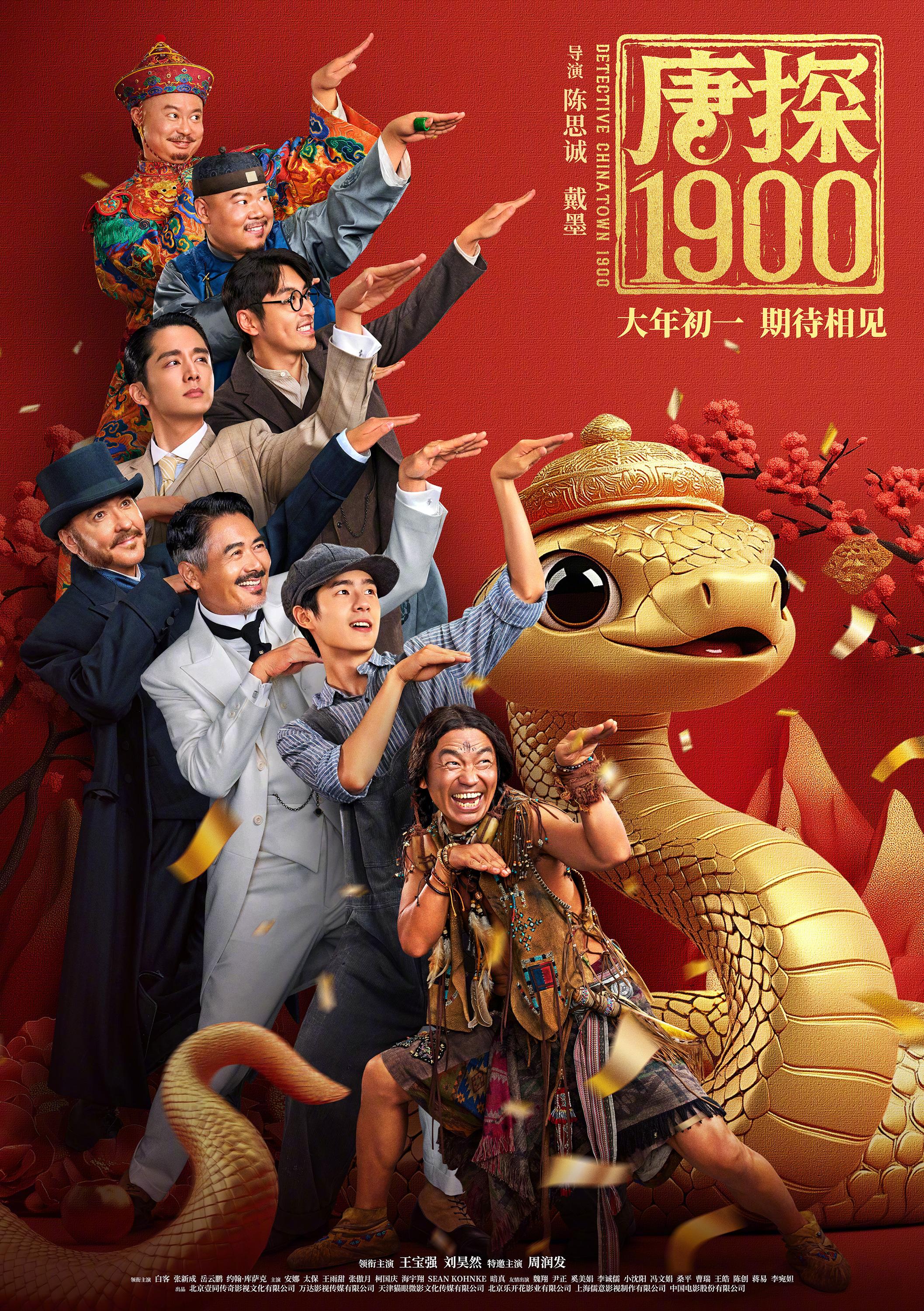
Detective Chinatown 1900 Review

“The toughest thing about a case is never the case.”

Sherlock Holmes who isn’t stumbles into a web of murder and political intrigue in early 20th Century San Fransisco.

I feel like I was peripherally aware of the series Detective Chinatown 1900 reimagines, but I’ve never actually seen any of it. And as this is a new take set in a different time period no prior knowledge is necessary.

The film is a blend of political commentary regarding a period of high racial tension and straight up comedy all tied together with a murder mystery central plot. It sounds like an absurd mix, but the melding of genres is really well done. It descends into complete farce at moments without ever having trouble reestablishing gravitas when the plot or themes need it.

The movie as I saw it in an NYC theater was presented with both English and Chinese subtitles. It’s a Chinese film largely set in San Fransisco and the dialog ends up being roughly half Chinese and half English, with some other languages mixed in. So a vast majority of viewers will need at least one of the sets of subtitles at times.

I’m a regular watcher of foreign films (usually in Japanese), so am used to reading subtitles. But even for me, the speed of the Chinese dialog and the resulting quickness that the subtitles flew by was a bit challenging at times. But key plot information was always presented somewhat slower (as it tended to land during dramatic moments) so I had no trouble following the story overall.

The mystery itself is reasonable and compelling, the humor juxtaposition masterfully done, and the societal commentary and historical aspects well presented and easily accessible even to those unfamiliar with the time period.

As far as criticism goes the film felt a little long in the tooth at times, a couple things strained credulity (beyond the things that were supposed to be absurd), and I’m not certain they completely stuck the landing. But I’m largely nitpicking here.

Overall I found Detective Chinatown 1900 to be a thoroughly engaging and entertaining movie. Definitely worth a watch.


Thanks to everyone who’s given this a read. 2024 was a sporadic return for this blog and I hope to have more regular updates going forward in 2025. Derailments of Thought currently updates on Wednesday and Saturday.

If you enjoy the blog any support is appreciated, including shares on social media and simply continuing to read. If you happened to be inclined and able to help out monetarily please see my  Ko-fi page. Every little bit helps.
Categories
Film Japan

Japan Cuts 2024: Great Absence

Japan Society’s annual Japan Cuts Film Festival for 2024 started on July 10th and is running through this Sunday, July 21st.

My thoughts on films from 2015’s festival can be read starting here, 2016’s starting here, 2017’s starting here, 2018’s starting here, and 2019’s starting here.

This screening ended up being a special one for me. Due to the pandemic and personal limitations this was my first time at Japan Cuts since 2019. In addition, while I had planned to see several films Great Absence ended up being the only one I was able to attend. It was nice to be back, even for a single film, and I lucked into an excellent one for my only viewing.

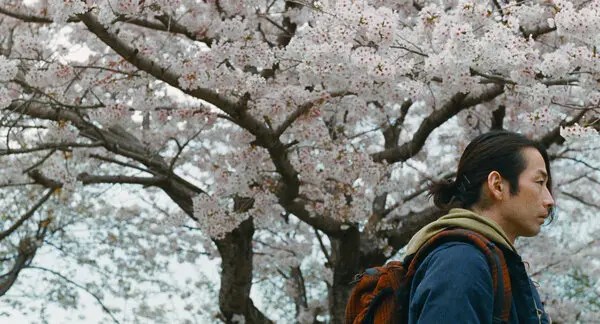
Great Absence is a gradually unfolding tale of an actor and his wife brought abruptly back into the middle of his estranged father’s life due to the latter’s rapidly worsening dementia. Hanging ominously over the visit is the puzzling absence of the father’s wife of twenty years.

The movie is intentionally disjointed and deliberately paced. With growing puzzlement and unease the viewer gets small glimpses of interwoven past and present, with new perspectives often re-contextualizing what’s come before.

The shifting ambiguity mostly works, and there are some incredibly powerful moments that are open to some interpretation in ways that add a lot of depth. A key scene seemed to have a second, fascinating nearly opposite possible interpretation from what I think we were supposed to take from it.

While there are a couple of aspects I really would have liked to see fleshed out a touch more by the end, for the most part this is an exceptionally well written drama where the explanations received and the things left open work together particularly well.

The movie doesn’t try to tell the viewer what to feel, but instead presents imperfect people in difficult situations frankly and lets the viewers take it in as they will. But the fragile nature of a story subject to some of the same type of fluid reality dementia brings occasionally turns it all on its head. Combined with an appropriately subtle score and beautiful cinematography it all elicits strong emotions across the spectrum as the film marches on in a gradual but unrelenting way.

This deeply affecting story hinged on the actors’ portrayals of complex emotions simmering beneath the surface and wouldn’t have worked with lesser performances.

Actor Tatsuya Fuji was in attendance and received Japan Society’s first Lifetime Achievement Award before the screening. The previous night his co-star Mirai Moriyama received the annual Cut Above Award for outstanding achievement in film (presented before a screening of Shadow of Fire). All four key roles, including those of Fuji, Moriyama, the third lead Hideko Hara, and supporting actress Yoko Maki, were played to perfection.

Great Absence is a subtly powerful film that I highly recommend.

After the film there was a Q&A with Fuji and director Kei Chika-ura. Important central concepts of Great Absence were taken from Chika-ura’s own experiences, and it was fascinating to hear about the various conditions that brought the film together. Fuji talked at length about his extensive career, his approach to acting, and the curious story of his only other trip to New York nearly fifty years ago. All in all it was an excellent session and a wonderful post script to the movie.

This showing was Great Absence’s New York premiere, and it will be playing from today at the Angelika Film Center. Fuji and Chika-ura will be attending and having Q&A’s after both tonight and tomorrow’s 7pm showings (July 19 & 20, 2024). I encourage anyone in the area to check it out.

Categories
Film Japan

Japan Cuts 2019: Night Cruising

Japan Society’s annual Japan Cuts Film Festival for 2019 ran from July 19th to July 28th. This year I previously saw Samurai ShiftersDance With Me, and Killing.

Also see my thoughts on films from prior years’ festivals (list and links at the end of this article).

My final film for this year’s festival was a fascinating documentary following the journey of blind musician Hideyuki Kato’s efforts to direct a short film (a science fiction story told using several disparate techniques called Ghost Vision).

At 2 hours and 25 minutes, Night Cruising admittedly feels its length in parts. It presents a bit of a conundrum: while I feel like it could have and perhaps should have been a touch shorter I can’t really point to anything to be left out. The short film in question is “shown” twice (once at the beginning and again towards the end) for important reasons and the creation of each section of the film is highlighted in between. Rounding out the documentary is personal perspective on Kato’s journey, which is of course is most important of all. So everything’s appropriate and in some sense needed, but none the less it does feel a bit of an endurance effort at times.

That said, this is a engrossing film overall. Among all the many points of interest along Kato’s captivating journey, the most fascinating section is where he learns about color via an ingenious method of explanation of the color wheel and gradation through a physical model he can feel and color patches containing braille-like identifiers. It’s these numerous insights into the process of a blind director creating art in a visual medium that make Night Cruising something special.

As alluded to above, one of most intriguing things about the “movie within the movie” Ghost Vision is the variety of techniques used. Each of the six sections is done in a different way, from models to live action to anime, etc. To be honest I’m not sure it 100% comes together, but it’s mostly there, it’s really creative and interesting both as a project and in the story and themes of Kato’s vision, and is definitely an impressive achievement.

An curious byproduct of the unique nature of the documentary and its subject is that in at least one section watching it as an international viewer alters the intended experience. The documentary opens with a presentation of Kato’s film as he himself would experience it – sound only with the audience looking at a blank screen. It’s a bold and meaningful choice and even more striking in retrospect when the full short is shared later. But for an audience that does not understand Japanese, translation is of course needed and provided. I found myself wishing I could understand what was said though, so that the stark subtitles against the black screen weren’t there. For me, even as someone who watches subtitled movies all the time without distraction, it was distracting here. It’s a small and unavoidable thing but particularly when discussing a documentary which is largely about sensory perception I thought this consequence of presentation worth discussing.

Ghost Vision was a wonderfully ambitious project of personal growth and determination for Kato, and following along via the efforts of Night Cruising’s director Makoto Sasaki was certainly worthwhile.

My prior years’ Japan Cuts thoughts:

2015: Make Up Room, Strayer’s Chronicle, & 100 Yen Love, The Voice of Water, The Light Shine Only There, & Sanchu Uprising: Voices at Dawn, and the experimental spotlight.

2016: Bitter Honey & Lowlife Love, Nagasaki: Memories of My Son & Bakuman, The Shell Collector & Being Good, and Flying Colors, Kako: My Sullen Past, & Emi-Abi

2017: Mumon: The Land of Stealth, Tokyo Idols & The Tokyo Night Sky is Always the Densest Shade of Blue, Over the Fence, and In This Corner of the World

2018: Ramen Shop & Night is Short, Walk On Girl, and Mori: The Artist’s Habitat & Hanagatami.

Categories
Film Japan

Japan Cuts 2019: Killing

Japan Society’s annual Japan Cuts Film Festival for 2019 started on July 19th and is running through today, July 28th. My thoughts on films from 2015’s festival can be read starting here, 2016’s starting here, 2017’s starting here, and last year’s starting here.

“If you can’t kill, your sword is useless.”

This year’s centerpiece was my second film of the festival and interestingly both were samurai films. That’s entirely the end of the similarities however, as where Samurai Shifters is a full blown comedy Killing is a incredibly harsh yet thoughtful expression of fear and frustration with the state of the world told through the lens of a historical period.

Killing is tense, unsettling, and violent. This is completely intentional on the part of director (and one of the lead actors) Shinya Tsukamoto, who didn’t want the fights to be things of beauty but instead realistic, uncomfortable experiences that made his film leave a strong impression on its viewers. He certainly succeeded, as the impact of the movie lingers long after its end. In fact I found the effects actually strengthened after the viewing, with things coming into focus more as I pondered what was presented.

During the movie I was increasingly enthralled by the choices Tsukamoto and his actors made and the way everything unfolded, but the frantic, headache inducing cutting of the fights, extremely graphic violence (made more stark by the frequent matter of fact nature of its delivery), and other aspects made it hard to process as I was watching. These aren’t criticisms per se though, as again it was all an intentional part of what Tsukamoto wanted the film to be and instrumental in achieving the right atmosphere and feeling. The more I think about this after the fact the more I come to grips with it and the more impressed I am.

Tsukamoto was in attendance, and received this year’s Cut Above Award for Outstanding Performance in Film before the screening. His Q&A after the movie was an excellent. The provided insightful look into what he hoped to accomplish and convey with the film was fascinating and added layers of context to help unravel all the themes and implications swirling around beneath the surface.

The approach taken makes it tough to generally recommend Killing, as there’s a lot in this film that will be too much for many viewers. But that’s the entire point, and there’s meaning to every artistic choice made supporting a stunning emotional core to the film. There’s an escalating madness lurking inside Killing that both arises naturally and seems to have no true reason behind it, and that achievement alone makes this challenging, compelling drama well worth the effort.

Categories
Film Japan

Japan Cuts 2019: Dance With Me

Japan Society’s annual Japan Cuts Film Festival for 2019 started on July 19th and is running through July 28th.

My thoughts on films from 2015’s festival can be read starting here, 2016’s starting here, 2017’s starting here, and last year’s starting here.

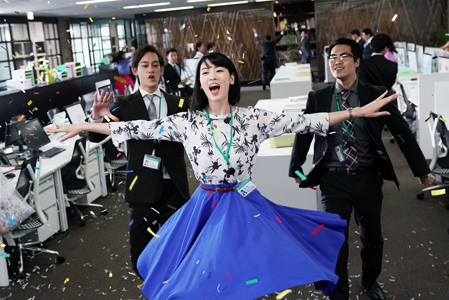
That feeling when hard work and a stroke of luck is about to pay off with a possible promotion and you have to chase a hypnotist across the country to reverse a suggestion that makes you break into song and dance at the slightly hint of music.

I wasn’t able to make it to this year’s opening screening, so was really pleased to have an encore was added that gave me a chance to see one of this Japan Cuts 2019’s most anticipated films.

Dance With Me’s silly premise and willingness to poke fun at the very genre it encapsulates is its greatest strength. It’s at its best when it fully embraces its concept and subverts genre expectations, with absurd surprises are every corner and main character Shizuka is joyfully dancing across the screen despite herself.

In contrast it does lull a bit the couple times it instead falls into the very genre trappings it tries so hard to subvert, and the story framework doesn’t quite support the weight of the film when time for thought to settle is allowed. There are tiny disconnects between the themes the filmmakers seem to be trying to let creep in and the actual zany happenings of Shizuka’s adventure at the exact points everything needs to come together into a cohesive whole.

But there isn’t anything wrong per se in a movie like this with the background setup existing solely to give rise to the entertaining, madcap weirdness that is the whole point of the film. The detail needed to properly explain my small criticisms above might give the impression that they are bigger issues than they actually are. In fact it’s just a little bit of background noise that keeps this “only” in the realm of being excellent instead of the masterpiece it seemed on the edge of becoming.

The movie is hilarious overall with strong acting surrounding and supporting an excellent, anchoring performance by Ayaka Miyoshi (as Shizuka). There were several genuinely captivating twists as Shizuka’s journey kept escalating into higher and higher levels of wonderful ridiculousness.

Dance With Me has a joy to it that’s infectious, always simmering beneath the surface waiting for the right times to burst out. I found it impossible not to smile during this movie, and really enjoyed it overall even if it was best to turn my brain off just a little at times. Highly recommended.

Categories
Film Reviews

The Farewell Review

“Based on an actual lie.”

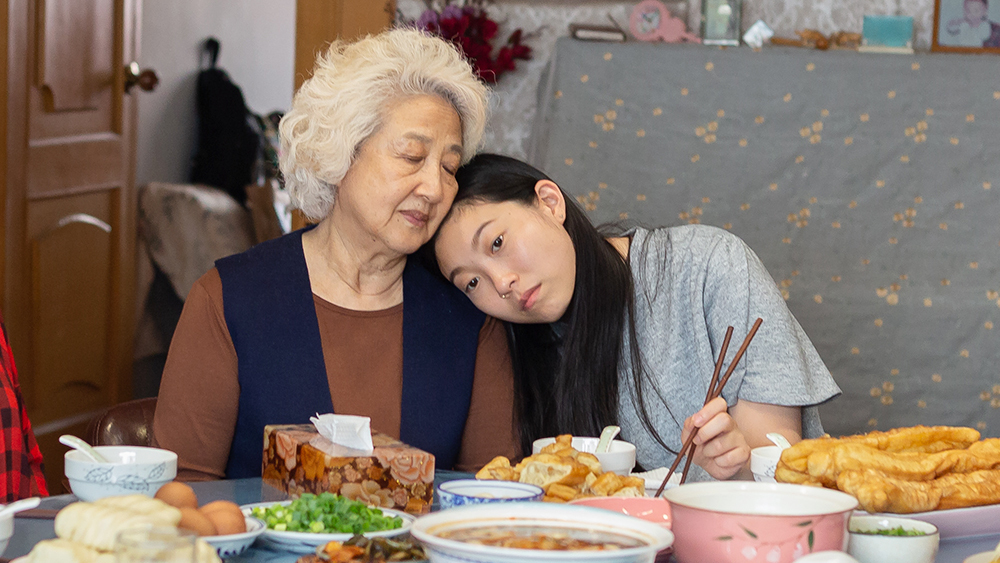
Billi’s family moved to New York when she was young, but she remains close and in touch with her grandmother. When her grandmother is diagnosed with cancer and given just a few weeks to live, Billi makes a difficult trip back to China under the pretense of a family wedding to see a loved one who hasn’t been told she’s dying.


the-farewell-movie


Let’s just state things up front: The Farewell is FANTASTIC. It’s an emotional, genuine feeling depiction of a family making, arguing about, and going through with a tough decision as they seek to bear their matriarch’s potential emotional burden in her stead.

Director/writer Lulu Wang built off of personal experience and presents a deeply resonant story that transcends the specifics of the involved cultures while lovingly embracing them and making the pressures and beliefs that motivate the characters understandable to all viewers. There’s an incredibly authentic feeling of family permeating the film that’s completely relatable at the same time it presents weighty glimpses into a culture that isn’t my own. Flashes of humor, awkwardness, conflict, love driven actions both admirable and misguided, etc make Billi’s family feel real in way seldom so perfectly captured in any form of media.

But even beyond the deft presentation of the subject material and masterful acting (particularly by lead Awkwafina, who spends the film completely torn and wrecked over figuring out what the right thing to do is) that captivated me as I watched, the film shines even further through brilliant cinematography. I don’t often get into camera treatment, etc because it should be largely invisible when done right. And it is both here, but the stunning way everything’s done to heighten emotion and drawn the viewer in deserves special mention.

The way scenes are framed, the general use of when longer range shots that let emotion sit for a moment when it needs to and magnifies the impact of the film’s few close ups when they happen, etc all combine to create a very real feeling of being present and included in the events. I didn’t feel like I was watching Billi’s story, I felt like a was there. I can’t overstate what a difficult and impressive achievement that is.

A day later and I still feel the full impact of the thoughts and emotions swirling about in the wake of seeing The Farewell. Excellent in pretty much every possible aspect of it’s creation, appropriately tough to watch in parts, bittersweet, and genuine, I can’t recommend this engaging, thought provoking, emotional gut punch of a film enough.